
The United States, under President Donald Trump, plans to cease aid to Israel by the end of the current year. This announcement coincides with midterm elections in the US, setting a politically tense atmosphere.
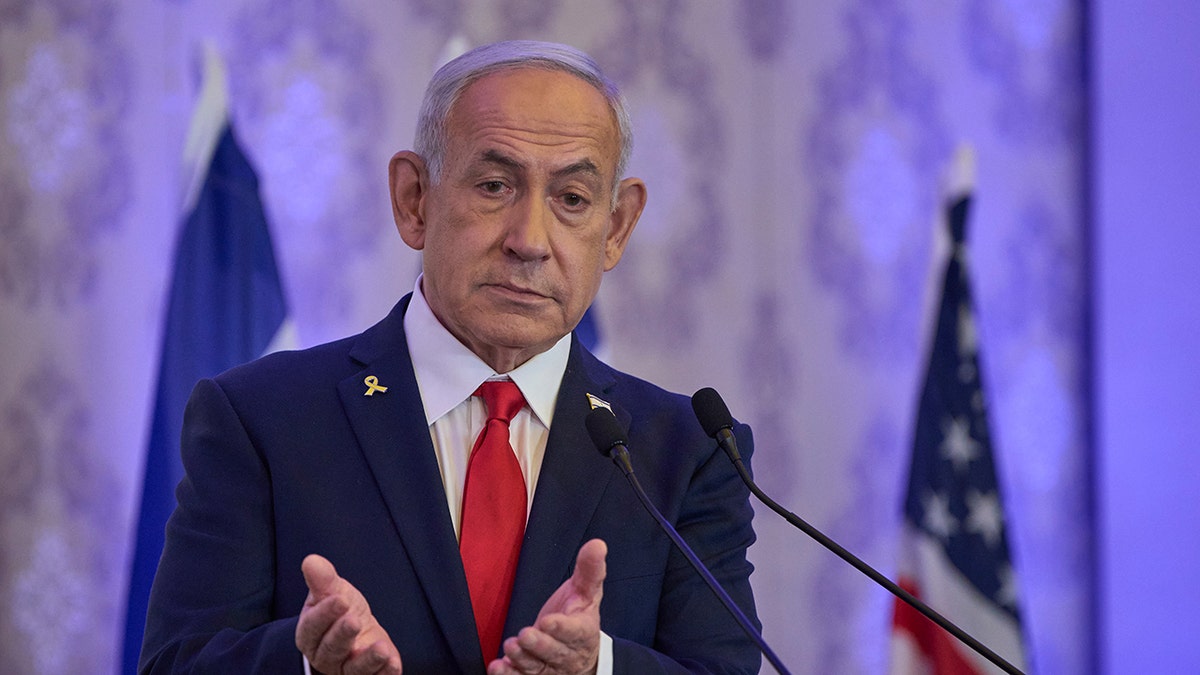
In Israel, Prime Minister Benjamin Netanyahu seeks stability as President Isaac Herzog consults party leaders to decide who will form the next government. Netanyahu’s bloc has secured 53 seats following elections, needing 61 to form a government.
Netanyahu expressed via social media his disdain for a government reliant on parties like Ra’am and the Joint List, which hold a total of 19 seats and possess potential for significant influence.
Consultations under Herzog’s leadership will explore the possibilities. The remaining stages will see parties like Religious Zionism-Zehut and Shas beginning the talks, sequentially followed by others including Likud, the largest single party.
Rabbi Oren, a defense analyst, noted that Herzog, although free to choose, is likely to appoint the candidate supported by the majority of Knesset seats. Gadi Eisenkot, from the opposition, could be asked to form the government, though achieving the necessary coalition may prove difficult due to internal opposition dynamics.
The scenario might extend into a minority government, a model adopted in certain cases in Israel’s past. Eisenkot appears open to this possibility, aiming for broad support even from outside traditional coalition partners.
Challenges persist for Netanyahu’s leadership. Pressure mounts to replace the Knesset speaker and advance new legislation that could unsettle current governance structures.
Former Knesset member Dov Lipman predicts Eisenkot’s failure to form a government. This would hand the opportunity to Netanyahu, but failure there too could spark a 21-day period for any member to gain a 61-seat coalition or risk another election cycle.
Historically, Israel has witnessed unity governments, like the one between Likud and Labor during the 1980s economic crisis. Discussions suggest similar arrangements could function today, albeit with notable complications, such as demands to investigate recent governmental decisions and streamline Netanyahu’s exit when due.