
Every two years, Washington engages in a familiar political ritual. The party not in control senses an opportunity to regain power, while pundits often predict the outcome prematurely. However, the history associated with this confidence is more nuanced than it appears.
Over the past 80 years, the president’s party has lost seats in the U.S. House of Representatives in 18 out of 20 midterm elections. This pattern is referred to by political scientists as the thermostat effect. When one party holds government power, voters instinctively seek balance, regardless of the governing party’s performance. Voter turnout also poses a challenge for the party in power. The winning party usually relaxes, whereas the losing side remains motivated and participates actively in elections. Presidential elections offer a choice between two visions, but midterms serve as a referendum on the ruling party.
In the current scenario, Republicans face a particularly narrow margin. Democrats require just a net gain of five seats to reclaim the majority. With Republican approval ratings below 45% for much of the year, the GOP finds itself in a situation historically unfavorable for the president’s party.
Moreover, the nation faces a unique political moment without a clear precedent. Analysts continue to apply outdated strategies to new challenges. President Donald Trump stands as only the second U.S. president to serve nonconsecutive terms. The first was Grover Cleveland, elected in 1884, defeated in 1888, and re-elected in 1892. By 1894, amid a severe depression, his party faced substantial losses in the House.
This time, Republicans appear better positioned. The electoral landscape has altered significantly. Texas redrew its districts, adding five safe Republican seats. California responded with its own map favoring Democrats, yet overall, the national map continues to lean slightly Republican.
When Americans vote, they often ask what the Democrats offer. On the campaign trail, issues like affordability, groceries, rent, and healthcare resonate. However, discrepancies between these priorities and the Democrats’ governance are observable where they hold power.
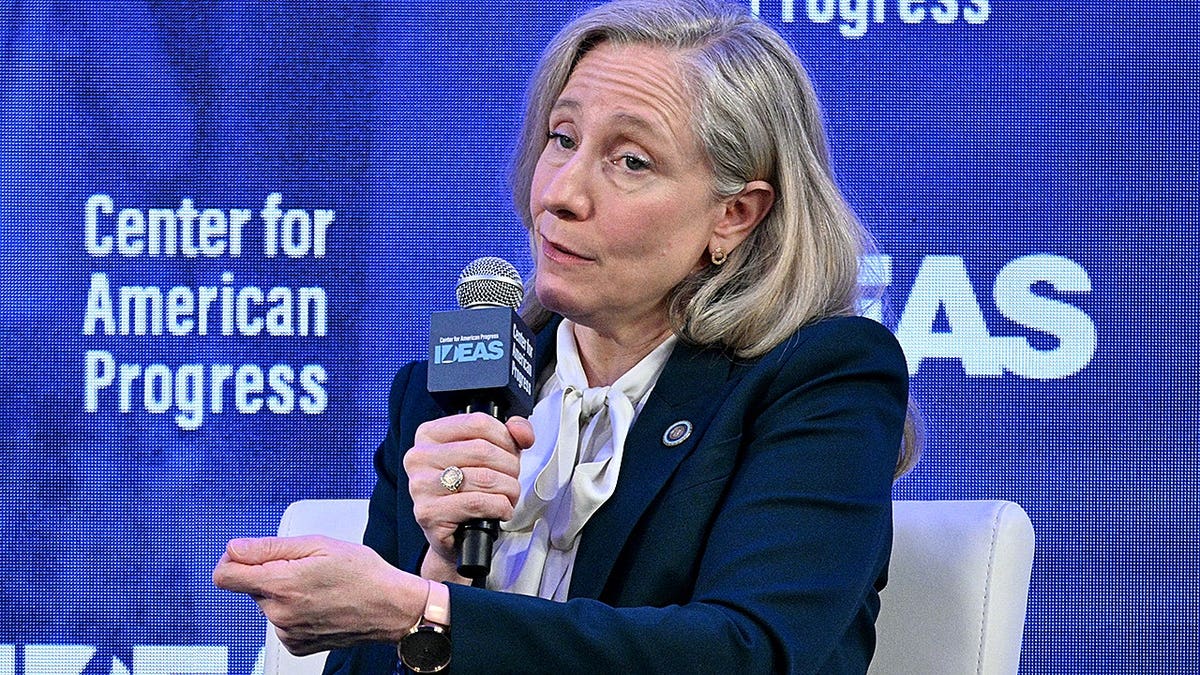
For example, Virginia Democrat Gov. Abigail Spanberger ran on a platform of affordability but pursued actions contrary to her promises. Her support for redistricting, initially opposed, and a semiautomatic rifle ban met legal challenges, highlighting a difference between campaign rhetoric and policy actions.
In Michigan, Abdul El-Sayed advocated for lowering healthcare costs through Medicare for All. When pressed about the potential tax increase for those earning under $1 million, he acknowledged the trade-off, suggesting it was worthwhile.
Nationally, reports indicate that if Democrats seize the House, their focus will pivot towards investigating President Trump and his administration rather than addressing widespread issues like housing or economic relief.
Historical trends suggest midterms favor the party not in power. Yet, what truly matters is how a party utilizes power once obtained. The Democrats have already revealed their intentions. It’s crucial for American voters to recognize and consider these factors.
Matt Schuck serves as an executive vice president at Tholos Government Relations. His experience includes working as a senior House aide to Chairman Jason Smith and Rep. Sean Duffy. He also contributed to Trump’s 2016 campaign and held positions within the Trump administration at the Departments of Housing and Urban Development and Transportation.