
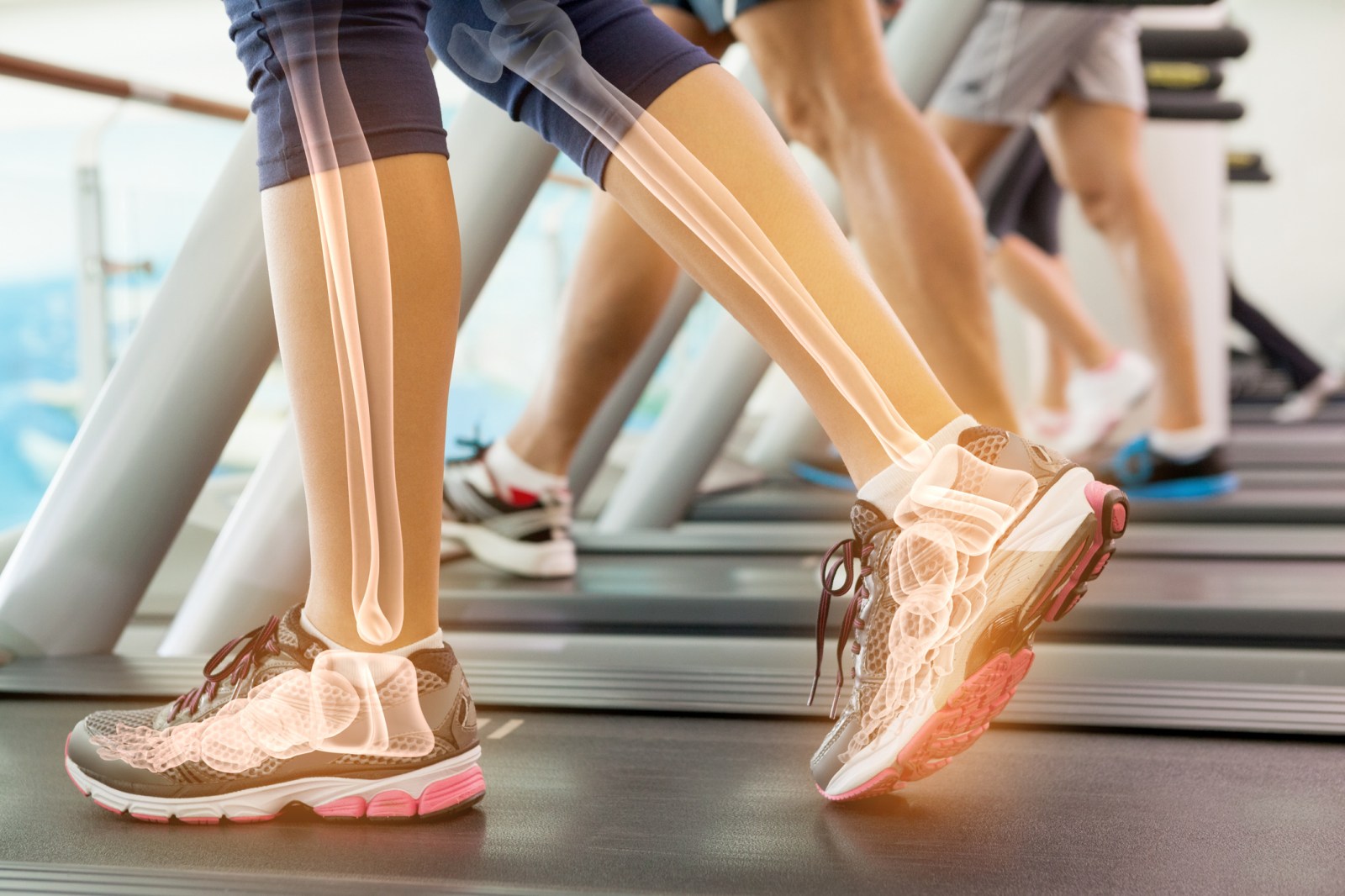
Bone Health: A Key Concern for Aging Populations
As we age, wear and tear on bones becomes a natural process, but certain daily habits may contribute significantly to bone health issues. Recent data from national health surveys and U.S. Census figures indicate that around 53.6 million Americans aged 50 and older suffer from osteoporosis or have low bone mass. Osteoporosis is a condition that weakens bones, making them more susceptible to fractures.
Five Common Habits Affecting Bone Health
1. Excessive Caffeine Consumption
Many people depend on coffee for energy throughout the day. However, excessive coffee intake can negatively affect bone health. Research from Flinders University in Australia, which tracked nearly 10,000 older women over a decade, found that while tea drinkers had slightly stronger hip bones, consuming over five cups of coffee daily was linked to lower bone density. Carla Pozner, a registered osteopath, emphasizes moderation in coffee consumption, as caffeine can interfere with calcium absorption and bone metabolism.
2. Prolonged Sitting
A 2022 study by the National Center for Biotechnology Information highlighted that U.S. adults sit for an average of 9.5 hours daily, mostly during leisure activities like watching TV, surfing the internet, or using a computer. Pozner warns against sedentary lifestyles, advocating for weight-bearing and resistance exercises such as walking, climbing stairs, dancing, yoga, and strength training to promote bone health.
3. Sole Reliance on Calcium
While calcium is crucial for bone strength, focusing solely on this nutrient can be misguided. Pozner highlights the importance of a balanced diet that includes adequate calcium, vitamin D, and protein for both bone and muscle health. She advises people to avoid searching for a single superfood and instead work towards overall health through a balanced diet, regular exercise, hydration, and outdoor activities.
4. Heavy Alcohol Consumption
According to a 2022 meta-analysis by the University of Catania, consuming three or more alcoholic drinks daily increases the risk of hip fractures. Pozner notes that excessive alcohol intake can disrupt bone remodeling processes and affect calcium and vitamin D metabolism, leading to weaker bones and an increased risk of fractures.
5. Delayed Attention to Bone Health
Bone health concerns are often associated with older age, but maintaining healthy bones should start earlier in life. Most individuals reach peak bone mass between ages 25 and 30, with bone mass declining after age 40. Pozner stresses the importance of considering bone health throughout life, especially for women experiencing accelerated bone loss during and after menopause.
Strategies to Enhance Bone Health
Pozner recommends adopting healthy habits early to prevent bone health problems. She suggests engaging in beginner-friendly strengthening exercises:
- Chair squats: Lower yourself toward a chair and stand back up, using leg and glute muscles.
- Wall press-ups: Stand facing a wall, place hands against it, and bend and straighten elbows.
- Calf raises: Stand upright, rise onto toes, and lower heels to the floor for balance.
Pozner emphasizes starting at a comfortable level and gradually increasing the difficulty of exercises, encouraging a strong musculoskeletal system to mitigate future problems.
For editorial inquiries on this story, contact Newsweek editors Sirena Bergman and Anthony Murray.