
Introduction
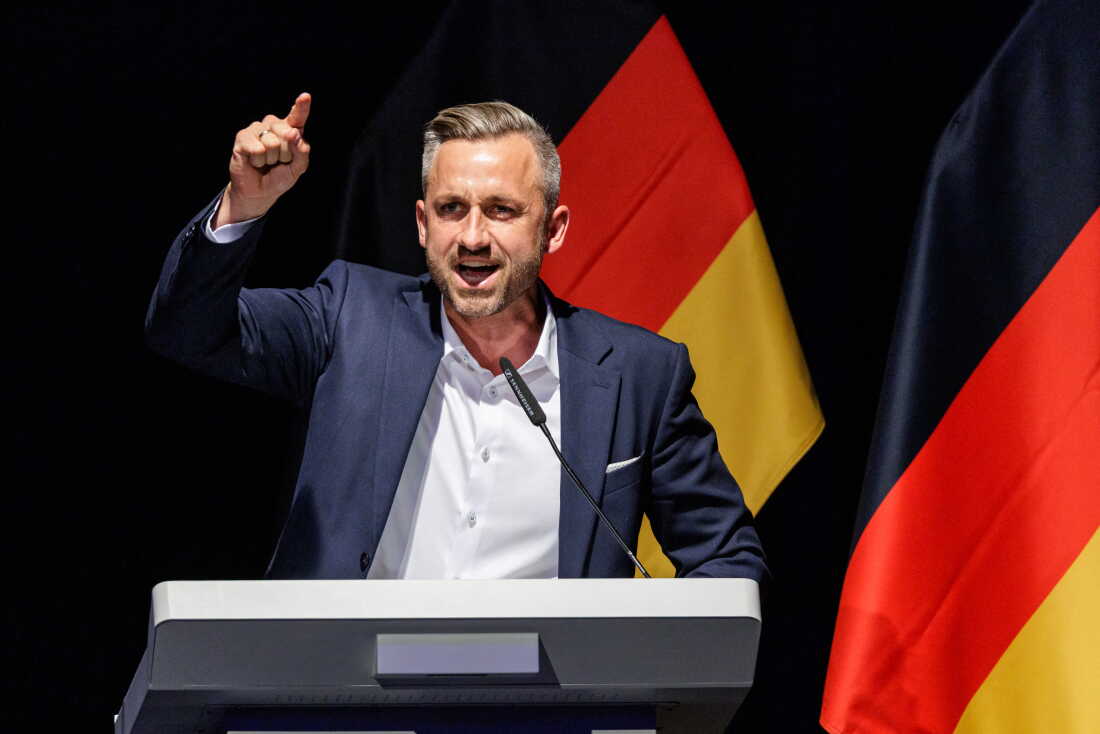
As Ulrich Siegmund campaigns for governor in Saxony-Anhalt, a prominent influencer streams live from the trail, highlighting Siegmund’s popularity. With his candidacy as part of the far-right Alternative for Germany (AfD), Siegmund holds a significant presence as a TikTok star.
A Social Media Influencer
Siegmund boasts nearly half as many TikTok followers as there are eligible voters in Saxony-Anhalt. He engages personally with followers, responding to questions from his back porch. His aesthetic choices, meticulously ironed shirts and a clean side parting, underscore a polished image among the far-right.
The Challenging Political Landscape
Amid his charisma, Siegmund voices hard-right stances on immigration and deportation. In a recent TikTok post, he criticized Germany’s reliance on foreign doctors while local professionals leave the country, suggesting cultural foreigners threaten patient safety.
Inside AfD Rallies
Hannes Kreschel, a former AfD supporter, attends the rallies to scrutinize disparities between campaign promises and policies, especially economic measures for the affluent. His interactions with voters reveal a mix of discourse and tension but remain optimistic about changing minds.
Voter Perspectives
In Halle, voters remain split on the AfD’s approach. Alexander Winsek considers the party’s migrant policies appealing. Yet, he prefers continued NATO membership and opposes pro-Russian sentiment. The allure of Siegmund’s positivity stands in contrast to other AfD figures.
Examining Democracy
Marcel Lewandowsky of Martin Luther University Halle-Wittenberg emphasizes that AfD voters largely support democracy but crave real representation. He argues AfD’s anti-establishment appeal resonates amidst conventional parties appearing protective of governmental monopolies.
Conclusion
Siegmund and the AfD’s traction in Saxony-Anhalt embodies a strategic breakthrough for a party notorious for right-wing extremism. Yet, skeptics like Kreschel warn about its exclusionary tendencies despite pledges to amplify ordinary Germans’ voices.