
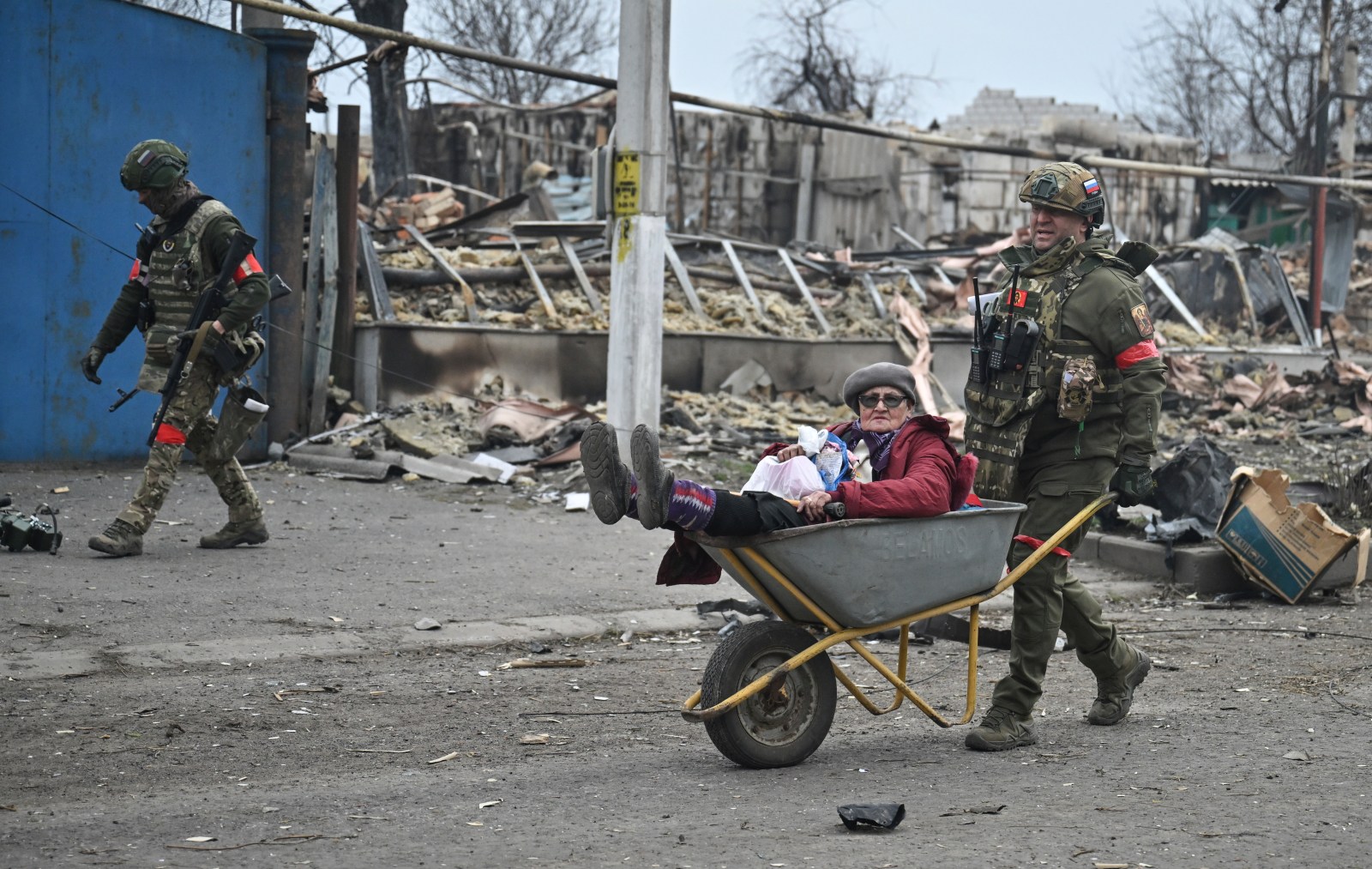
Two years ago, Ukrainian soldiers embarked on a bold mission to capture Russian territory. They moved into tanks and armored vehicles, exiting Sumy to enter Russia’s Kursk region, quickly seizing control of over 500 square miles. This operation marked the first breach of Russia’s borders since World War II, providing Kyiv with a significant bargaining chip amid speculation of potential ceasefire talks.
By February 2025, however, Russian forces had recaptured most of Kursk, except for a small patch of territory. Ukrainian President Volodymyr Zelensky met with President Donald Trump in the Oval Office shortly after. The outcome of that meeting remains memorable. Now, as U.S. negotiators plan visits to Russia and Ukraine, Zelensky presents a new peace proposal to Washington. This time, he possesses substantial leverage. Although a ceasefire with Russia seems unlikely soon, Zelensky aims to draw the Trump administration’s focus on Moscow, increasing pressure on the Kremlin.
Changing Strategies
The Kursk operation intended to shift the dynamics for Ukraine. In January 2025, outgoing Secretary of State Antony Blinken pointed out that Kyiv’s position across the border could play a crucial role in ceasefire negotiations as the Biden administration transitioned to Trump’s leadership. What began as a move to secure leverage and distract Russian forces ended in defeat. Ukrainian troops were eventually pushed out of Kursk, prompting soldiers and civilians to criticize the operation’s costly outcome. Since then, Ukraine’s military has refrained from further incursions into Russian soil, with a few exceptions, such as a minor operation in Belgorod.
Instead, Ukraine developed a different strategy with innovations in drone technology and missiles. These advancements allow Ukraine to strike targets deep in Russian territory without needing to occupy or supply these areas. Since the start of the year, Ukraine has ramped up its strike campaigns, hitting oil refineries and infrastructure. Independent conflict monitor ACLED reports a threefold increase in strikes from January to July. A recent drone attack targeted a Russian warehouse in Yekaterinburg, over 1,200 miles from Ukraine.
In a significant move, Ukrainian drones and missiles targeted Novorossiysk, striking grain terminals and Russian warships.
Strategic Restraint
Notably, Kyiv refrained from hitting specific targets in Novorossiysk, such as the oil export terminal of the Caspian Pipeline Consortium (CPC), which transports crucial crude oil from Kazakhstan. Chevron and ExxonMobil have stakes in CPC, and amid global energy market turmoil and America’s conflict with Iran, the Trump administration wishes to shield this key resource.
By selectively avoiding CPC infrastructure, Kyiv delivered a message highlighting its strategic capabilities. Ukraine now can target strategic hubs of concern to the U.S., demonstrating its influence while protecting core interests crucial to Washington.
This dynamic reflects a shift in Ukraine-U.S. relations. Washington requires Ukrainian drone technology, acknowledged by a recent agreement facilitating U.S. military testing of these drones. Ukraine continues to export drone technology through joint production with European allies, enhancing its economic and military strength. Four years of conflict have honed Ukraine’s defense industry, enabling rapid innovation and deployment.
Ukraine’s resourceful defense industry offers unique capabilities. Zelensky aims to ensure Trump recognizes this potential.
Russia’s Potential Response
Despite setbacks, Russia’s defense capabilities remain robust. Labor shortages and economic challenges notwithstanding, Russia maintains a large army and significant drone and missile arsenals. Russian military progression in eastern Ukraine remains slow, partly due to a prolonged moratorium on further military mobilization. The initial 300,000-reservist call-up in September 2022 led to widespread unpopularity, prompting more conservative mobilization strategies and reliance on North Korean soldiers for reinforcements.
As Russia approaches parliamentary elections in the coming months, mobilization seems unlikely. However, post-election scenarios may shift. Zelensky suggested that Moscow could potentially mobilize between 300,000 to 500,000 additional troops, a sentiment echoed by analysts and independent media.
Ukraine’s technological edge allows strategic targeting of Russian infrastructure, but manpower and missile defense remain critical areas needing support. As Zelensky engages with international leaders, his demands emphasize interceptors to counter Russian ballistic threats. Ukraine acknowledges its need for U.S. provisions, including financial and political backing, as it continues its diplomatic and military endeavors.