
Berlin — The United States has announced significant advancements in its plans to establish a continuous U.S. Army presence in Poland. President Trump shared this development on Thursday through social media, describing it as a ‘historic step’ for the U.S.-Poland alliance.
Anticipation grows within the Polish government, fueled by increasing concerns regarding a potential expansion of Russia’s active conflict in Ukraine into NATO territories.
The Risk of Conflict Spreading
Polish Prime Minister Donald Tusk addressed parliament earlier, expressing worries over the ‘real risk’ of military projectiles traversing the NATO eastern flank, potentially resulting in destruction. Tusk pointed to intelligence suggesting Russia might frame such incidents as accidents to weaken NATO’s readiness to respond collectively.
Tusk also highlighted Russia’s utilization of advanced drones to target Ukrainian territories. The newer, jet-powered drones offer greater speed and altitude, complicating interception efforts. Additionally, these strikes increasingly target infrastructure near the Polish border.
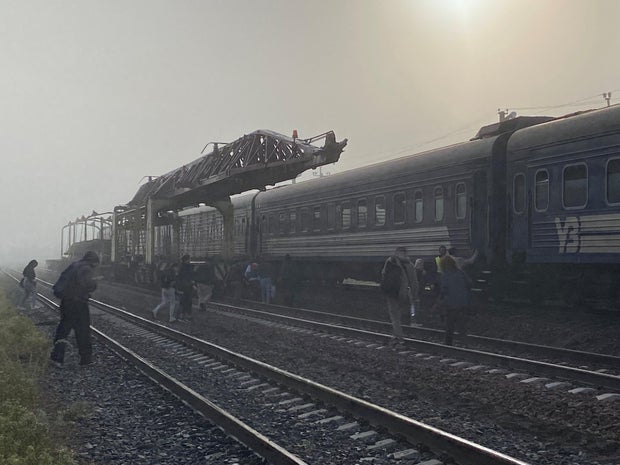
Recent attacks included a drone strike on a Ukrainian train carrying foreign dignitaries, including ex-CIA Director David Petraeus. This led to an evacuation near Poland’s frontier.
Poland Strengthens Its Borders
Poland has reacted by reinforcing military readiness along its border with Ukraine. Defense Minister Władysław Kosiniak-Kamysz confirmed the deployment of soldiers to reinforce border infrastructure with Hesco barriers and new observation posts.
These enhancements are visible at key border crossings, ensuring security without indicating a full military mobilization. The presence of U.S. troops onsite would fortify NATO’s eastern defenses, offering strategic advantages amidst regional tensions.
NATO Dynamics Amid U.S. Decisions
President Trump’s supportive remarks on the U.S.-Poland alliance underline the complexities of U.S. and NATO strategic planning. Earlier decisions, such as the fluctuating deployment plans, have left European allies navigating a shifting military posture.
The Trump administration’s stance has occasionally presented challenges. In previous months, announcements on troop deployments in Poland have been contradictory, raising questions among NATO allies.
Meanwhile, ongoing Pentagon evaluations address U.S. military stationing throughout Europe. Defense Secretary Pete Hegseth indicated a shift, urging NATO allies to bear greater defense responsibilities.
Potential sites for the U.S. base in Poland include Poznań and Wrocław, though definitive decisions remain pending.