
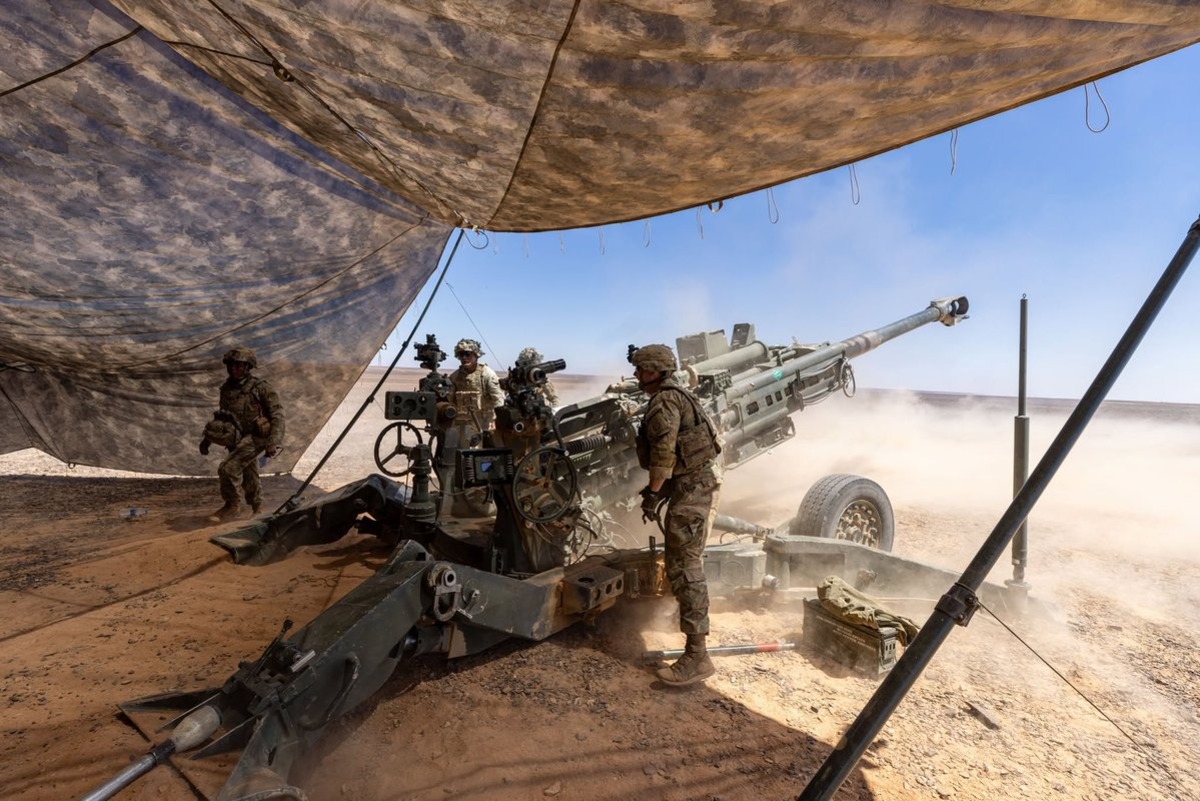
The U.S. forces stationed in the Middle East have a tradition of innovative thinking, as noted by Captain Timothy Hawkins, a spokesperson for U.S. Central Command (CENTCOM), responsible for all American troops in the region. Admiral Brad Cooper, the top commander at CENTCOM, remains receptive to ideas from various ranks, according to Hawkins.
There is an ongoing effort to gather ideas on countering Iran as the conflict with Tehran extends into its sixth month. A message reported by CNN indicates that the U.S. military is seeking creative methods to exert pressure on Iran. This message, reportedly sent on July 29, aims to find new approaches to the conflict.
However, the message raised concerns among some who perceived it as evidence of a lack of a comprehensive strategy for a swift victory or exit. Others see it as a standard military request for innovative input from different branches.
Potential Strategies Under Consideration
It remains unclear what specific responses the U.S. military seeks. CENTCOM did not provide further details on the reported email. Jim Townsend, a former Pentagon official, suggests the military might look for strategies emulating Ukraine’s use of drones in their conflict with Russia.
Kyiv’s focus on economic targets, beyond military sites, has strengthened its position in negotiations. In the Middle East, despite U.S. efforts and sanctions, Iran maintains control over the Strait of Hormuz, a vital waterway for shipping.
U.S. officials believe additional bombing of Iranian targets may not sway Tehran. Although former President Donald Trump paused a major attack plan to allow for talks, Iran denies engaging in discussions and instead opts for talks with Oman.
The Unusual Nature of the Request
Without clear context, the extent of the message’s significance is uncertain. U.S. military personnel often propose new strategies, and competitions exist to generate innovative ideas from both military and civilian sources.
In past conflicts, intelligence and defense officials proposed actions to the National Security Council, which were then evaluated by the president.
An anonymous U.S. military official acknowledged the blunt wording of the message but noted that assessing enemy vulnerabilities is common practice. However, engaging all military ranks in written requests for tactical input during an ongoing conflict is atypical.
A European defense official described the situation as ‘unusually precise,’ highlighting the absence of precedent for such requests via email. Mark Cancian, a retired U.S. Marine Corps colonel, pointed out that previous breakthrough suggestions during conflicts like the Iraq War were not in response to formal requests.
For further queries, contact Newsweek editors Frances Mao and Tony Phillips.