
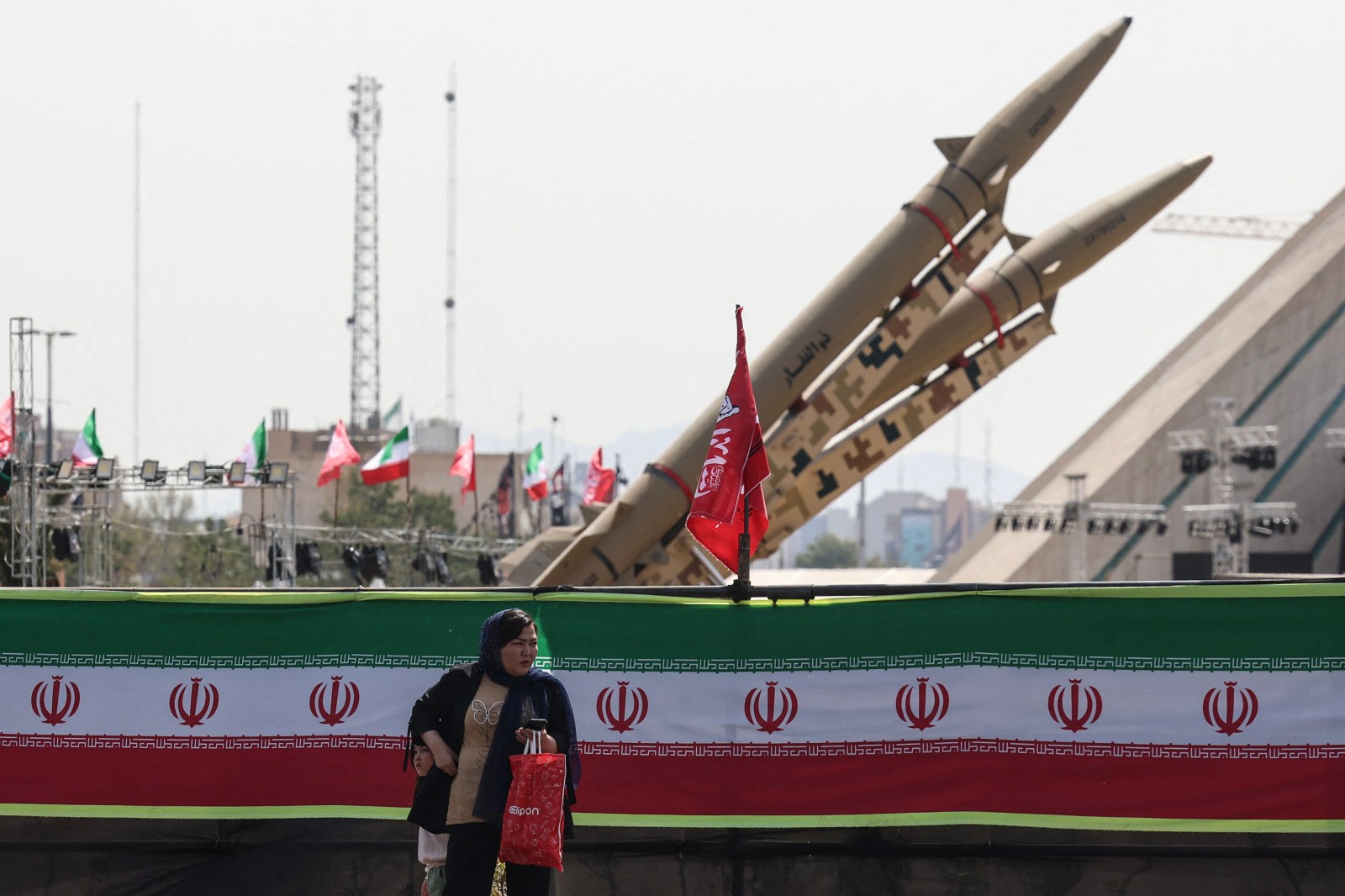
The United States and Saudi Arabia conducted a series of precision strikes in eastern Iraq on Tuesday. These strikes targeted militant groups aligned with Iran, which U.S. Central Command (CENTCOM) indicates were directed by Iran’s Islamic Revolutionary Guard Corps (IRGC) to attack U.S. forces and Saudi energy infrastructure.
According to CENTCOM, the joint operation dealt blows to numerous logistics hubs and weapons sites following a wave of unsuccessful IRGC-directed drone attacks over the preceding 72 hours. On Tuesday night, CENTCOM reported an attempted surprise attack by the IRGC, involving multiple ballistic missiles launched from Iran targeting American bases in the Middle East. “All Iranian missiles were successfully intercepted. U.S. forces remain vigilant and at a high state of readiness,” confirmed the command.
The IRGC stated they launched these ballistic missiles at a U.S. air base and CENTCOM facility in Jordan, describing the strikes as retaliation for U.S. actions against Iranian interests, as reported by Reuters. Newsweek reached out to CENTCOM for more information via email on Tuesday night.
Background on Recent Attacks
CENTCOM reports over 600 attempted attacks against U.S. citizens and facilities in Iraq from February to April, highlighting the ongoing threat posed by IRGC-backed proxy forces in the region. In a statement, CENTCOM warned the IRGC and its affiliated militias to cease these attacks or face further military action.
The operation demonstrates the United States and its allies’ continued willingness to respond militarily to assaults attributed to Iranian-backed groups, even amid broader diplomatic negotiations with Tehran on other issues.
Rajan Menon, professor emeritus of International Relations at the City College of New York, commented to Newsweek that “There’s nothing in place that qualifies as a ceasefire, so be it the US-Saudi strikes on Iranian-backed militias in Iraq, or Iran’s targeting on Tuesday of the Muwaffaq Salti air base in Jordan, which the US uses, no one should be surprised. Indeed, we should expect more such incidents.”
Meetings at the White House
The military operation took place shortly after President Donald Trump met with Israeli Prime Minister Benjamin Netanyahu at the White House. Iran was a key topic during this meeting.
When questioned on Monday about Netanyahu’s arrival in D.C., a White House official told Newsweek that Trump and Netanyahu intended to address the ongoing conflict with Iran, progress with the trilateral framework in Lebanon, and the expansion of the Abraham Accords.
During an interview with Fox News’ Sean Hannity, Netanyahu noted that his meeting with Trump was “great,” describing it as “one of the best meetings that we’ve had.” He emphasized a “common commitment” with Trump to prevent Iran from acquiring nuclear weapons. Netanyahu highlighted Iran’s aggressive behavior towards neighboring countries, including Saudi Arabia and Kuwait, and warned of the potential implications if Iran possessed nuclear capabilities.
This is a developing story that will be updated as more information becomes available.