
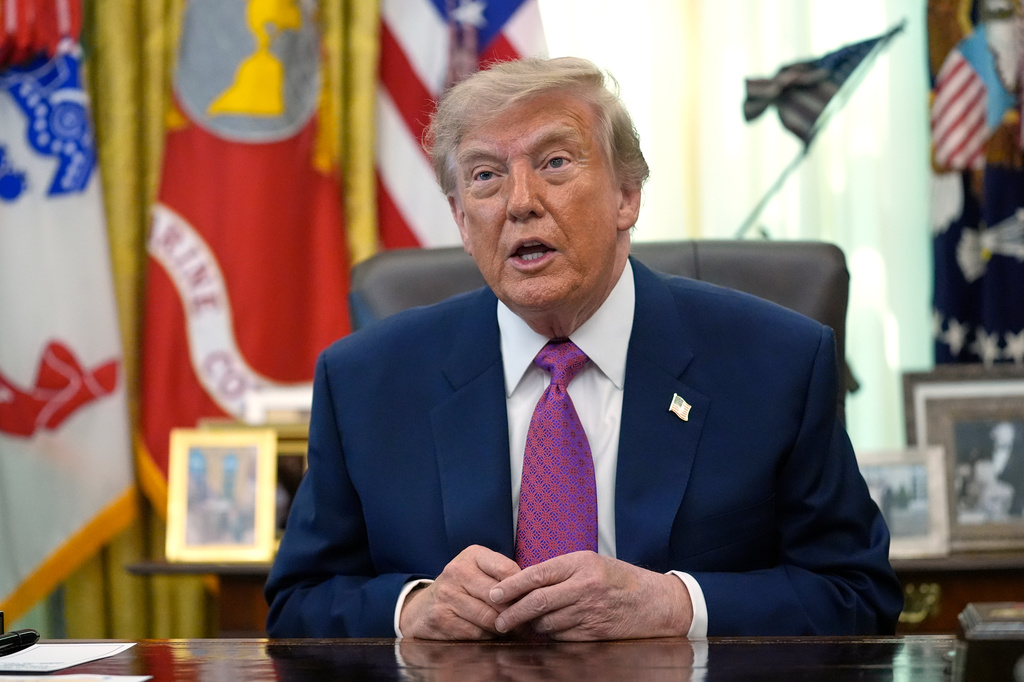
Presidential Power and Influence
Every U.S. president carries the prestige and influence of their office, a mantle that has evolved since the nation’s rise as a global power. Former President Theodore Roosevelt encapsulated this with his famous saying about speaking softly while holding authority. Over the years, presidents have wielded this power to foster respect and influence discussions, whether dealing with enemies or allies.
The Shift in Presidential Tone Under Trump
President Donald Trump, however, has taken a different approach. Known for his outspoken personality on platforms like reality TV and social media, Trump attracted attention by voicing thoughts that many politicians shy away from. His direct and uncompromising style resonated with people who appreciated candid speech. Yet, this approach has given way to tactics that seem more like bullying than diplomacy.
Impact and Consequences
During his second term, having garnered support from the House, Senate, and Supreme Court, Trump intensified his rhetoric. He pursued his vision for transforming the country and the presidency, often intertwining it with personal interests. Initially, his demands, such as those directed at NATO for increased spending, appeared effective, winning unusual praise from its secretary general.
Domestic institutions, including businesses and universities, responded to threats by adjusting programs or settling issues to avoid confrontation. But as these tactics wore thin, more entities began to disregard his intimidations. The predictable pattern led countries like Canada to resist trade war threats, showcasing resilience rather than acquiescence.
The Diminishing Returns of Threats
Trump’s uncompromising style hasn’t swayed countries like Iran, whose endurance amidst pressure signifies an immunity to his strategy. Efforts like Operation Economic Outcast highlight the administration’s struggle to effect change through intimidation. Issues like oil pricing and military supply are concerns that reflect more upon U.S. challenges than Iranian compliance.
The Evolution of Administration Dynamics
Initially, Trump’s presidency benefited from advisors who moderated his tendencies. Their insights allowed his provocations to be perceived as confident leadership rather than reckless behavior. However, the transition to an administration supportive of Trump’s every word has undermined this balance. Figures like Treasury Secretary Scott Bessent and Defense Secretary Pete Hegseth, despite their credentials, have been unable to replicate the impact of past administration strategies.
Historical Context of Presidential Communication
Historically, presidents like Ronald Reagan and George W. Bush have demonstrated a reserved yet firm approach when addressing national and international affairs. Reagan’s call to dismantle the Berlin Wall exemplified assertive leadership without resorting to threats, contrasting with the current administration’s approach.
Today’s political climate faces challenges due to the absence of such restraint. The consequence is a presidency marked by impulsivity, where even those in diplomatic circles have learned to disregard aggressive postures.
About the Author
Joslin Joseph, awarded for Best Commentary-Opinion by Military Reporters and Editors, has an extensive background as a Marine veteran and alumnus of Harvard and Ohio State.