
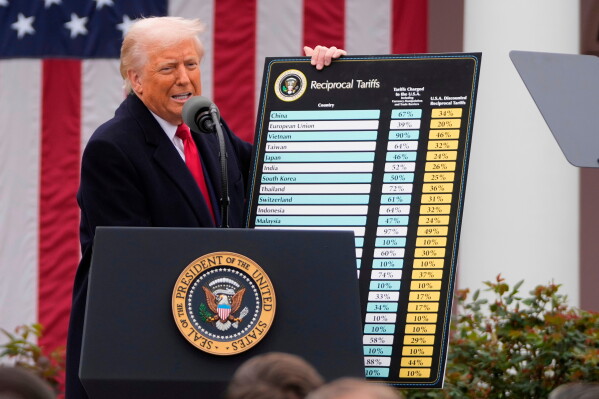
President Donald Trump’s administration faced significant challenges in its efforts to maintain revenue from tariffs imposed on imports worldwide. Last year, the U.S. Treasury benefited from Trump’s import taxes, but those funds diminished following a Supreme Court decision in February that invalidated the largest of these tariffs. With the expiration of Section 122 tariffs looming, the administration sought alternative methods to restore lost revenue.
Legal Limitations and Tariff Expiration
After the Supreme Court ruling, Trump turned to Section 122 of the Trade Act of 1974, implementing global tariffs of 10%. However, these tariffs are authorized for only 150 days and are set to expire on July 24. Congress would need to extend these tariffs to maintain them, yet this seems unlikely given the upcoming midterm elections and public dissatisfaction with rising living costs.
Despite these challenges, the administration explored durable options like Section 301 of the 1974 trade law. This section allows tariffs against countries engaged in unfair trade practices. Trump utilized Section 301 to impose tariffs on China during his first term and is extending these measures to other nations, such as Brazil.
Strategic Moves and Revenue Shortfalls
Trade experts confidently predict the administration will switch Section 122 tariffs with larger Section 301 tariffs by the July 24 deadline. President Trump expanded his authority to levy import taxes, citing the International Emergency Economic Powers Act of 1977. However, the Supreme Court struck down the use of emergency powers for imposing tariffs, leading to refunds for importers and turning tariffs into a Treasury burden.
Revenue from import taxes peaked at $31.4 billion last October, but fell to $22 billion in both March and April. Refunds outpaced incoming revenue from Section 122 and other tariffs, resulting in a $42 million shortfall in May and a $25.6 billion loss in June.
Procedural Steps and Legal Durability
To recoup lost income, Trump and Treasury Secretary Scott Bessent plan to leverage Section 301, which requires procedural compliance like collecting comments and holding hearings. Section 301 tariffs offer more flexibility, expiring after four years but eligible for renewal. Businesses, however, remain uncertain due to unpredictable trade policies.
Transitioning to 301 tariffs would reduce uncertainty, though challenges persist according to Sarah Bianchi, a former U.S. trade official and current strategist at Evercore ISI. Recent Section 301 investigations aim to replace evaporated tariff revenue, addressing issues like forced labor and overproduction by trading partners.
Administration’s Strategic Timing
Last month, U.S. Trade Representative Jamieson Greer proposed tariffs related to forced labor, set to replace Section 122 levies. The administration is working to finalize these tariffs in time to avoid significant gaps.
The investigation into excessive production by 16 countries is pending, with anticipated tariffs likely timed post-midterm elections. Attorney Majerus expects proposed tariffs to emerge soon, though legal challenges are anticipated should universal tariffs be attempted under Section 301.