
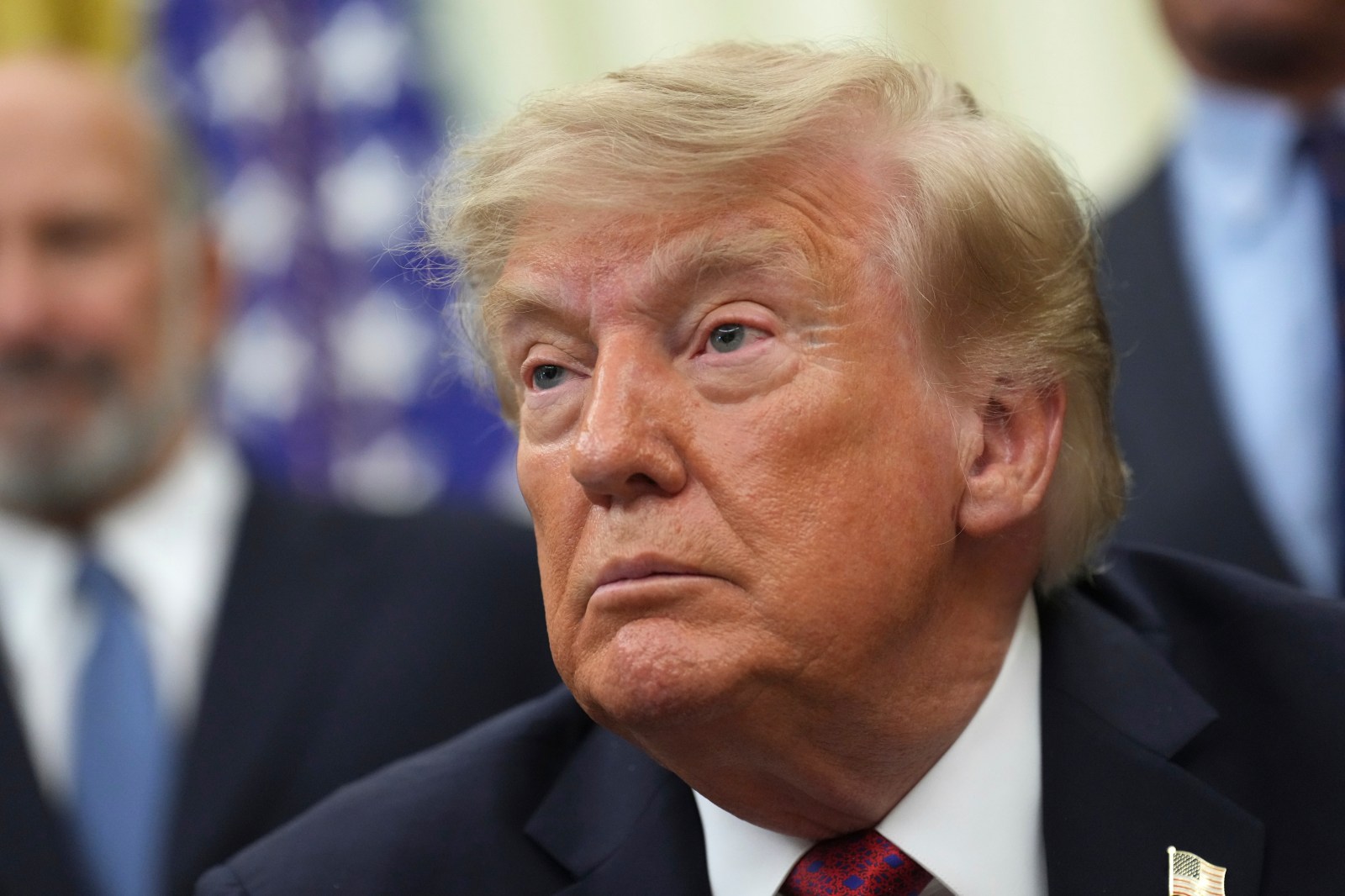
Trump’s Stance on Data Centers
President Donald Trump has reaffirmed his support for data centers, warning that communities rejecting these projects risk economic stagnation. He insists that data centers bring jobs, investment, and tax revenue. Trump views these facilities as vital for U.S. competition with China.
Growing Republican Resistance
Despite Trump’s position, many Republicans have moved towards advocating restrictions on data centers. Concerns include electricity costs, water usage, and impacts on local communities. This growing division indicates a possible fracture within the party as the 2026 midterms approach.
Several GOP officials, initially supportive, now call for restrictions or greater community involvement in approval processes. Polls show skepticism among Trump’s supporters too. An Economist/YouGov poll revealed 47% of Trump voters oppose new data centers in their communities. A Gallup survey showed 70% of Americans disapprove of local data centers.
Industry and Community Impacts
Large tech companies like Meta, Microsoft, Amazon, and Google continue building data centers to support AI and cloud services. Yet public opposition grows, fueled by concerns over noise, power grid strain, and rising utility bills. Data centers in major U.S. states consume vast amounts of freshwater, as per a Ceres study. Critics argue this strains already limited water resources.
GOP officials have increasingly adopted cautious stances. Public comments have grown negative, per a Washington Post analysis of Republican discourse over the last six months.
Key Republican Figures’ Perspectives
Representative Tim Burchett
Rep. Tim Burchett suggests locating data centers on military installations to mitigate residential impacts. He criticizes the lack of public education on data centers and advocates for more local control.
Senate Nominee Mike Rogers
In Michigan, nominee Mike Rogers calls for a one-year pause on new data centers. Rogers seeks a fair approval process prioritizing community interests.
Representative Tom Barrett
Rep. Tom Barrett proposes legislation to strengthen local authority over data centers. He highlights his willingness to challenge his party and protect local communities from federal overreach.
Governor Greg Abbott
Texas Governor Greg Abbott emphasizes stronger oversight of data center development. Opposing Trump’s view, Abbott seeks more local engagement and regulation.
Senator Jon Husted
Senator Jon Husted advocates weighing economic benefits against community concerns. He supports community-led decision-making on data centers.
Gubernatorial Nominee Stacy Garrity
Stacy Garrity initially supported data centers but now calls for community involvement before project approval.
Representative Tom Tiffany
Rep. Tom Tiffany criticizes data center tax breaks and prioritizes safeguarding Wisconsin’s families, resources, and infrastructure.
Representative Nancy Mace
South Carolina Rep. Nancy Mace advocates a one-year moratorium on data centers, opposing eminent domain usage for projects.
Why Opposition Exists
Public opposition to AI data centers centers on rising electricity costs, noise pollution, water usage, and infrastructure strain. Many feel they have insufficient input on projects with significant community impacts.
Data centers’ water consumption presents a considerable issue amidst existing resource limitations and droughts. Despite criticisms, proponents argue for their economic benefits, noting job creation and investment potential. They emphasize data centers’ role in supporting AI and global competitiveness.