
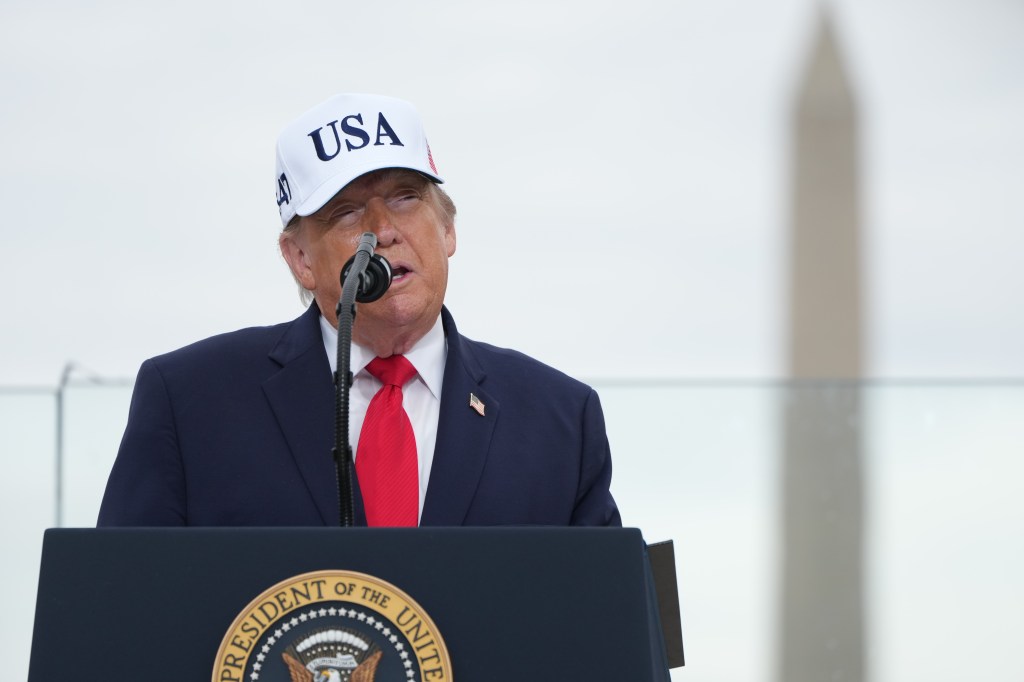
President Trump may consider launching military action against Iran following the midterm elections. This opportunity, as noted by experts, is short-lived due to the potential shift in congressional power that could limit his war powers.
Challenges and Opportunities
Although Trump seeks negotiations, he has indicated readiness to escalate if Iran does not comply with his demands. With the Democrats projected to take control of the House, the president faces a window until January before Congress could impede his plans. Jonathan Schanzer from the Foundation for Defense of Democracies suggests a 6-8 week period where aggressive moves could be possible.
Potential US Actions
Mark Cancian from the Center for Strategic and International Studies outlines possible military strategies, including a brief but intense bombing campaign. Historical precedents suggest such actions might not significantly impact Iran, which has withstood extended bombardments in the past. Targets might include military facilities and coastal bases, with the possibility of hitting vital infrastructures like oil facilities.
A more dramatic move could involve bunker-buster bombs aimed at suspected nuclear sites. Despite their depth, this would showcase US determination to neutralize nuclear threats.
US Military Preparedness
The US has two aircraft carriers positioned in the Middle East, supported by additional naval units and around 20,000 personnel. This force includes a spectrum of aircraft ready at regional airbases. Enhanced defense systems, such as Patriot and THAAD, strengthen US capabilities in the area.
Potential Iranian Counteractions
Ria Reddy of the Institute for the Study of War warns that attacks on Iran’s energy sector would provoke significant retaliation from Tehran, potentially targeting US bases and ramping up regional tensions. Iran has demonstrated advanced missile and drone prowess in recent conflicts, suggesting an amplified threat level.
Iran might also disrupt commercial shipping in the Strait of Hormuz, risking the oil flow that has recently recovered. Allied groups in Gaza, Lebanon, Yemen, and cyber operations could further extend the conflict’s reach.
Israel’s Position
While Israel participated in earlier strikes, its role in potential renewed conflict is uncertain amidst its political instability. Prime Minister Netanyahu, advocating for forceful actions against Iran, faces internal opposition. The political landscape may affect Israel’s engagement level and its influence over US decisions.
The opposition questions Netanyahu’s motives, suggesting he aims to prolong the war to retain power amid electoral uncertainties. Any diplomatic resolution with Iran could significantly impact his political future.