
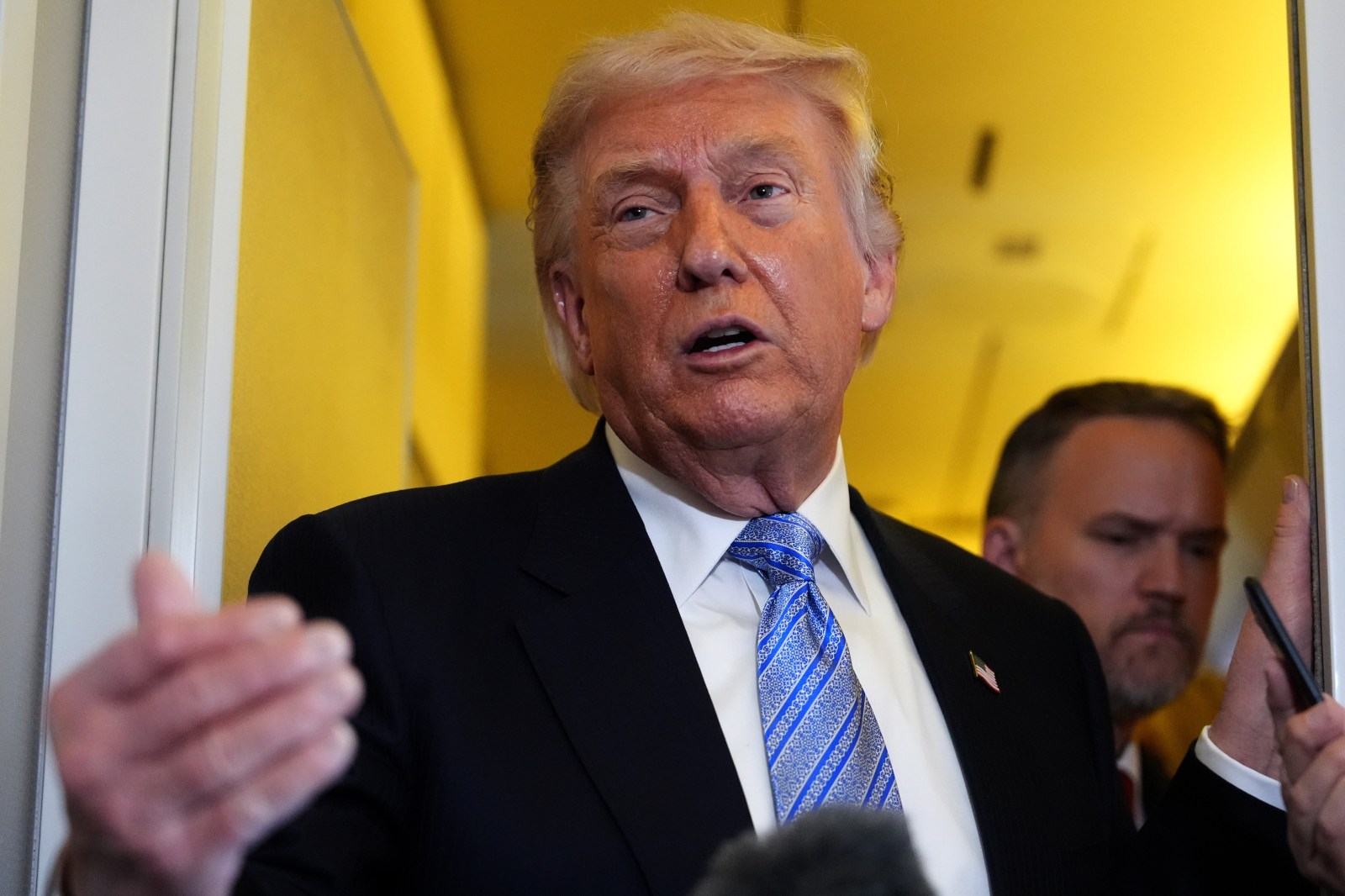
President Donald Trump issued a new executive order focusing on financial due diligence, urging banks to strengthen their “know your customer” procedures. The order emphasizes a thorough review of clients’ backgrounds, particularly their immigration status. Named “Restoring Integrity to America’s Financial System,” it directs regulators to provide guidance on minimizing unlawful financial activities by scrutinizing individuals who are inadmissible and removable from the U.S.
While the order refrains from mandatory citizenship checks, it does create new regulatory requirements. Experts suggest these changes may impact both financial institutions and their customers.
Why It Matters
The White House argues this move addresses “national security and public safety risks” by targeting “illicit cross-border financial activity.” Concerns center on lending to individuals who might face deportation due to stringent immigration policies.
However, analysts warn this increased scrutiny on noncitizens can reduce tax revenues significantly. The Yale Budget Lab estimates that a dip in tax filings could lead to a $479 billion loss over the next decade.
Executive Order’s Advice to Banks
Early plans suggested banks gather information on customers’ citizenship statuses. Treasury Secretary Scott Bessent indicated that such measures were being considered. He questioned the lack of information on individuals in the banking system, citing security concerns linked to foreign terrorist organizations.
The executive order instead asks the treasury secretary to guide banks within 60 days on risks related to unauthorized financial activities. It highlights potential red flags like signs of payroll tax evasion, non-U.S. documentation, and use of ITINs in credit applications. Such identifiers, when used instead of Social Security numbers, could indicate illegal employment of unauthorized aliens.
A 2024 study by the Urban Institute notes the market for ITIN loans is “small,” with 5,000 to 6,000 mortgages in 2023. The order advises caution in lending to individuals possibly facing deportation, warning that extending financial services to illegal aliens could introduce structural credit risks.
In a White House fact sheet, concerns were raised about transferring these elevated credit risks to American consumers through higher fees and interest rates.
Support From Banking Industry
The U.S. banking sector, through the American Bankers Association, expressed cautious support. Rob Nichols, their CEO, stated they share the administration’s goal for a secure financial system and work to prevent bad actors from gaining access.
Conversely, some experts highlighted potential new compliance burdens. Kathryn Judge from Columbia Law School noted these could impose costly obligations on banks, affecting basic due diligence and reporting requirements.
If enforced aggressively, the order might require additional procedural hurdles, deterring people from using banking services.
Financial Technology and Future Steps
Separately, Trump signed an executive order to modernize financial regulations, aiming to support financial technology firms. It instructs regulators to review existing rules that may hinder “financial innovation,” and considers granting these firms increased access to crucial banking infrastructure like Federal Reserve payment systems.
Furthermore, the order tasks Bessent with evaluating whether current bank secrecy regulations need updates to identify true account owners when assessing risks related to unlawful activities.