
During his first term, President Donald Trump approached the U.S.-China trade relationship with a focus on recalibrating trade flows to benefit American industrial workers. He imposed tariffs and other measures to counteract decades of trade imbalances and factory closures. While this move was welcomed by many American workers, Chinese leader Xi Jinping countered with strategic economic measures. China restricted access to critical minerals, manipulated its currency, and created barriers that affected U.S. policies. Despite a reduction in the U.S.-China trade deficit, China’s global trade surplus reached $1.2 trillion last year.
On September 24, Xi Jinping visits Washington for a crucial summit. Trump’s actions have undoubtedly altered the bilateral trade dynamic, but his focus on three specific areas could undermine the progress—cars, currency, and chips.
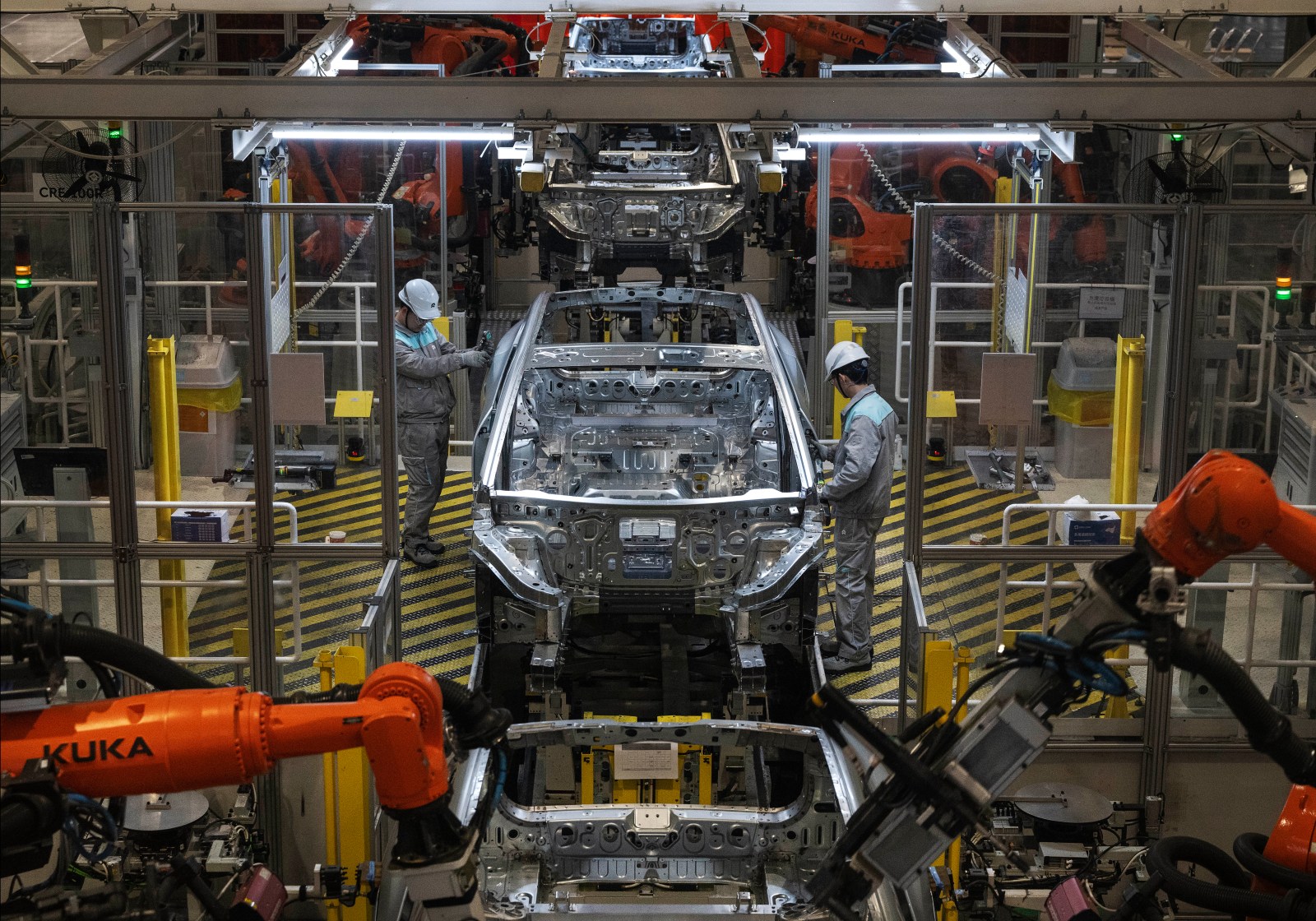
China’s Auto Industry
China’s auto industry has become a global powerhouse, backed by substantial subsidies and technology transfers. These factors create significant competition for U.S. auto jobs. Trump has hinted at welcoming Chinese auto factories in America, provided they do not contribute to imports. However, the auto sector is vital to the U.S. economy. Allowing foreign ownership in such a critical industry could pose national security risks.
Currency Manipulation
China uses various methods to manage the value of its currency, the renminbi. This approach keeps Chinese exports competitive by effectively lowering their prices. Despite years of U.S. tariffs, China managed a 34.4% increase in exports to the U.S. in August. The Trump administration has yet to take strong actions against this manipulation, even though several federal tools are available to challenge China’s practices.
Microelectronics and Computer Chips
President Trump has supported domestic semiconductor production, securing investments from companies like Micron and Intel. However, his response to multinational CEOs who wish to sell advanced chips to China raises doubts about his commitment to reducing supply chain risks. Any ambivalence in addressing this crucial industry could eventually undermine his goal of advancing U.S. chipmaking capabilities.
Though not guaranteed, Trump’s decisions on these issues will influence his trade legacy. In past confrontations with Beijing, such as failing to enforce the Phase One agreement, Trump demonstrated a willingness to compromise. Unlike his predecessors, Trump avoided unproductive discussions and maintained tariffs on unfairly traded goods. However, inconsistencies in his approach to cars, currency, and chips create a mismatch with his usual stance on trade with China.
Scott Paul is president of the Alliance for American Manufacturing. The views expressed in this article are the author’s own.