
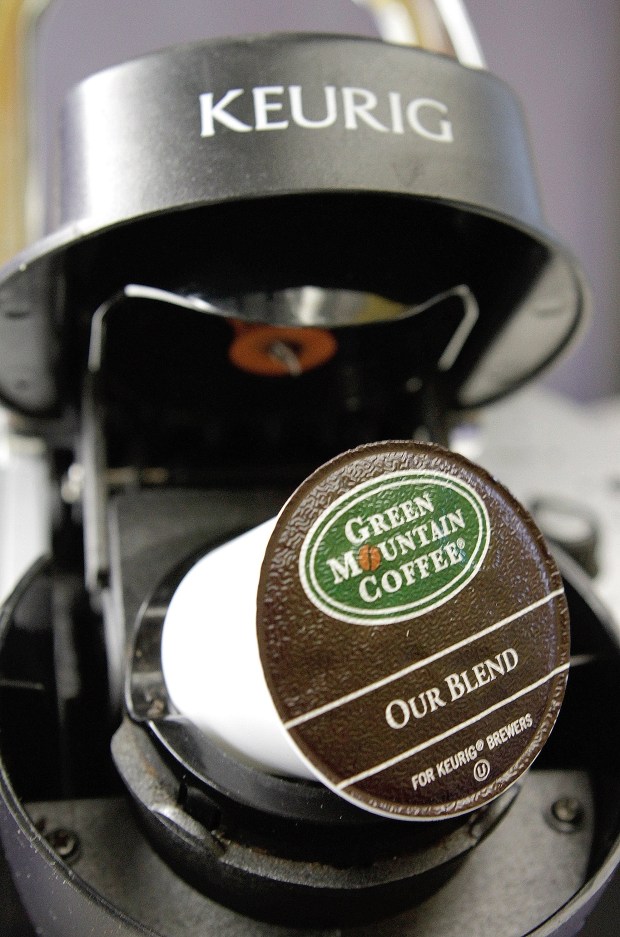
Coffee pod waste has long been a concern for manufacturers. Keurig Dr Pepper (KDP), a major player in the coffee pod industry, recently unveiled a solution aimed at addressing this problem. Known as AltaRounds, these innovative pods are crafted from compressed coffee, wrapped in a coating sourced from seaweed.
The seaweed comes from France and contributes to the sustainable design of the puck-shaped capsules. The pods are packaged eight per box, with each costing $1.37, which parallels the price of traditional K-Cup pods or smaller single-serving pods.
“You can dispose of the AltaRounds any way you would normally dispose of your coffee grounds,” said Monique Oxender, KDP’s chief sustainability officer.
Oxender highlighted the compost-friendly nature of these pods. She also mentioned that they are suitable for garden or house plants.
Challenges in Recycling Conventional Pods
Attempts to recycle traditional coffee pods have faced obstacles. Standard recyclers often struggle to manage small plastic components. In 2024, the US Securities and Exchange Commission charged KDP with providing incorrect information about the recyclability of their pods. Two major recycling firms refused to process these packs.
At that time, KDP agreed to settle with a $1.5 million penalty. The demand for single-use coffee capsules continues to surge. As per Grand View Research, the coffee pods market was valued at $40.5 billion in 2024, with an expectation to grow to $58.2 billion by 2030.
Global Coffee Pod Waste
Currently, 40,000 pods are produced every minute, resulting in over 20 billion pods being disposed of each year globally, according to Earth911.
Some companies have adopted compostable packaging for their products. Nevertheless, concerns remain about their ability to completely break down. A UK regulator recently prohibited two firms from advertising their products as compostable unless they break down in home environments. In the US, industrial compost facilities are not widespread.
“I’d say the problem is really in the infrastructure and the economy of recycling and composting,” remarked James Sternberg, sustainable packaging professor at Clemson University.
Home Composting and High Costs
Unlike their predecessors, AltaRounds don’t need to be sent to industrial composting facilities, though it is an option. KDP claims they can be composted at home like regular coffee grounds, taking 12-16 weeks to dissolve and fully degrade in six months.
Using AltaRounds necessitates purchasing a new coffee machine. The Keurig Alta, which can brew espresso, costs $499.99 as part of a bundle with four boxes of AltaRounds and glassware, until October 15. The full retail value is $650.
For comparison, KDP’s most popular K-Cup brewer is priced at $219.99. The launch features six coffee varieties, including single and double shot espresso, as well as dark, medium, light, and caramel flavored options.
Technology and Future Plans
KDP isn’t the pioneer of compressed coffee pods. The seaweed-based coating technology is licensed from Delica, a Swiss company, which developed coffee balls to eliminate plastic waste further in the coffee industry.
Neha Mallik, senior director of product management, noted, “We needed something to protect and keep it intact through shipping and distribution.”
While these new pods are compatible with the Alta machine, KDP hasn’t announced plans to retire the popular K-Cup. Oxender stated the consumer will drive any future transition decisions.
“The consumer’s going to lead us on that.”
In an agreement seen in a 2010 file photo, Starbucks and Green Mountain Coffee Roasters partnered to introduce single-cup coffee and tea pods to Keurig devices.