
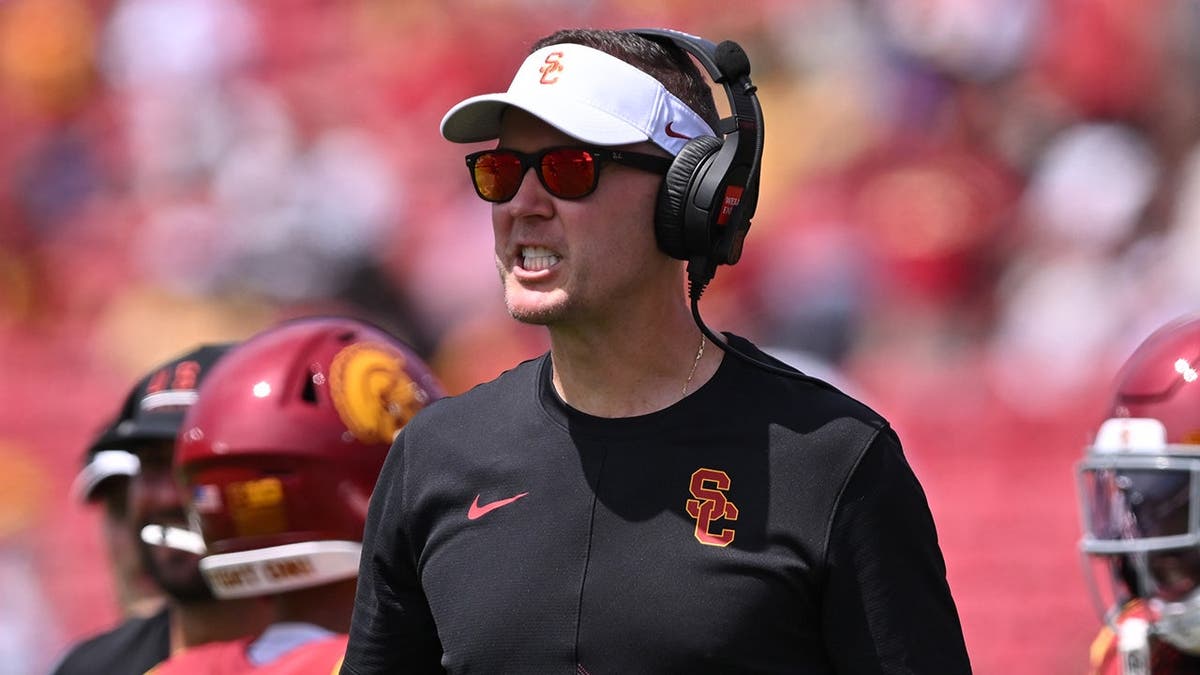
The landscape of college football is ever-changing. A few weeks back, the USC Trojans were experiencing a positive momentum shift. However, their road performances in big games have been problematic in the Lincoln Riley era. In 2025, USC went 9-3 during the regular season, losing all away games to Illinois, Oregon, and Notre Dame.
The expectations were high for 2026. USC secured the top recruiting class and returned QB Jayden Maiava for his second full season. Gary Patterson joined as a defensive coordinator, bringing expertise from TCU.
SEC chaos meant more playoff spots were available, but USC’s path wasn’t easy. They faced a challenging schedule, including Oregon, Penn State, Ohio State, and Indiana.
Despite an early loss to Oregon, USC stood at 5-1 as they approached a pivotal game against Penn State. The team appeared focused, winning 31-23 and setting sights on an optimistic season forecast.
Ohio State’s injury woes, notably losing QB Julian Sayin, provided USC a prime opportunity for success.
Yet, the subsequent game against Wisconsin broke their winning stride. Familiar issues resurfaced. The team seemed undisciplined under pressure. A once-promising offensive line crumbled against Wisconsin’s defense, which had previously conceded 41 points to Notre Dame.
Maiava’s performance was dismal, with negative rushing yards and several interceptions. The Trojans’ running game was ineffective and the receiving corps lacked consistency.
Wisconsin executed a nearly eight-minute drive before halftime, reflecting the defensive struggles of USC.
In the third quarter, Wisconsin’s unusual formation caught USC unprepared, allowing an easy touchdown. Mistakes continued in the fourth quarter with poor decision-making from Riley, culminating in a failed long-range field goal attempt.
Wisconsin’s subsequent drives sealed the Trojans’ fate. They managed only 200 yards with 58 passing yards, yet exposed USC’s defensive vulnerabilities.
The result highlighted persistent issues with USC’s game strategy and defense. Riley’s time may be waning in Los Angeles.
While some responsibility rests on Maiava’s subpar performance, consistent errors trace back to Riley’s coaching strategies.
Across town, Bob Chesney’s UCLA capitalized on opportunities, positioning well for a playoff berth his first season, showcasing stark differences in program management.
A tough upcoming schedule presents little hope for USC. Beating teams like Ohio State, Indiana, and UCLA is critical but remains a challenging feat.
Their trajectory indicates another season of unmet expectations. Despite significant investments, playoff aspirations remain unfulfilled. A vast buyout appears unlikely to sustain Riley if trends continue.
While NIL and the transfer portal complicate the landscape, programs like Georgia and Ohio State consistently meet the 10+ win benchmark.
Next week’s game against Ohio State might increase pressure. If losses persist, calls for change might grow too loud for the administration to ignore.