
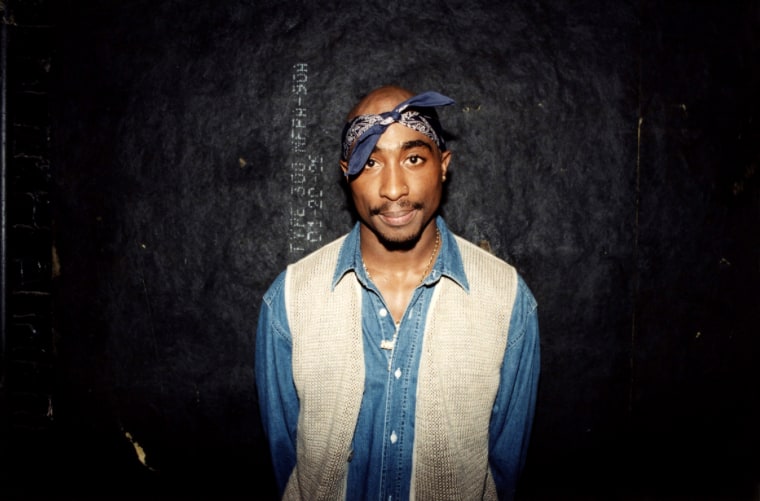
Duane “Keffe D” Davis, aged 63 and accused of orchestrating the 1996 murder of iconic rapper Tupac Shakur, is set to stand trial. The trial comes nearly three decades after the drive-by shooting that occurred in Las Vegas. Davis is charged with one count of murder with intent to promote gang activities related to Shakur’s death. He has been incarcerated since late 2023, maintaining a not guilty plea.
Tupac Shakur remains a monumental figure in hip-hop, known for his profound songs on love, heartache, and family bonds. His demise unfolded during a contentious period in the music industry, intensely influenced by gang rivalries. While the trial aims to unveil Davis’s alleged role as the orchestrator and provider of the weapon used, it might not uncover the identity of the gunman. Prosecutors argue that Davis’s admissions in a memoir and interviews were pivotal in reviving legal proceedings since he was among the few surviving eyewitnesses.
Turning Point in a Long-Running Cold Case
On September 7, 1996, Shakur was traveling with Suge Knight, the co-founder of Death Row Records, in a black BMW. After attending a boxing match between Mike Tyson and Bruce Seldon, they were en route to a club where Shakur was due to perform. At a stoplight near the Las Vegas Strip, a white Cadillac approached, unleashing a barrage of gunfire. Shakur succumbed to multiple gunshot wounds six days later, whereas Knight sustained only minor injuries.
The investigation went dormant until Davis disclosed his involvement as a leader of the South Side Compton Crips. His candid revelations in a 2019 memoir and subsequent interviews reinvigorated police inquiries.
“We couldn’t let no record company studio gangsters do us like that,” Davis wrote in his memoir, elaborating on the retaliation triggered by an earlier conflict with Shakur’s entourage.
Defense’s Counterarguments and Family’s Hopes
Davis’s lawyers contend that the prosecution lacks direct evidence of his role in directing the shooting. They argue that the key witnesses are unreliable due to their absence during the events in question. Since leaving narcotics trafficking in 2009, Davis reportedly held consistent employment until health issues prompted his retirement in 2014.
Maurice “Mopreme” Shakur, Tupac’s stepbrother, expressed concerns over the emotional toll the trial exerts on their family. However, he remains cautiously optimistic about the pursuit of justice.
Gang Rivalries and the Trial’s Central Focus
The grand jury transcripts elaborate on the violent feud between rival groups linked to Death Row Records and Bad Boy Records. Mob Piru, a faction of the Bloods gang, aligned with Death Row Records, while the South Side Compton Crips provided protection to Bad Boy Records led by Sean “Diddy” Combs. The rivalry extended beyond the music scene into repeated conflicts, including the brawl at the MGM Grand between Shakur’s entourage and Davis’s nephew, Orlando “Baby Lane” Anderson.
The prosecution highlights Davis’s account in “Compton Street Legend,” asserting his role in supplying the weapon, facilitating Shakur’s shooting on the fateful night.
A Legacy Endures and Controversial Allegations
Mopreme Shakur indicated that, while the trial could potentially reveal more about Davis’s and others’ possible involvement, it cannot restore his brother’s life. Allegations concerning Sean Combs’s involvement remain a subject of interest, with Davis’s memoir implicating Combs in allegedly commissioning the attack to eliminate Knight and Shakur. Combs denies any participation, and his legal counsel refrained from commenting.
Tupac Shakur continues to resonate within the music realm, with over 75 million record sales globally. His music, ranging from lively anthems to perceptive social critiques, maintains relevance decades later. Jeffrey O.G. Ogbar, a history professor, acknowledges Shakur’s unmatched influence in the hip-hop domain within a brief span.