
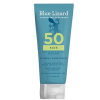
Using sunscreen for children is essential, especially for those over six months old. Experts emphasize its importance regardless of skin tone. According to Dr. Rebecca Carter, a pediatrician at the University of Maryland Children’s Hospital, sunscreen protects children from sunburn and lowers long-term skin cancer risks.
Choosing the Right Sunscreen for Kids
Experts offer specific guidelines for selecting and applying sunscreen on children. Here, you will find top recommendations from dermatologists and pediatricians, as well as practical tips on how to choose the best products for your child’s needs.
Expert Recommendations
- Best Overall: Blue Lizard’s mineral sunscreens are highly rated. Dr. Hadley King highlights their smart cap technology, which changes color in harmful UV light, making it interactive for kids. These are free from parabens and fragrances, suitable for sensitive skin.
- Best for Babies: Dr. Carter recommends using sunscreen products designed specifically for infants only after consulting a pediatrician if your child is under six months old. Aveeno baby lotions are favored for being gentle and fragrance-free.
- Best Stick: King recommends Neutrogena’s Sheer Zinc Sunscreen Stick due to its hypoallergenic properties, ideal for sensitive skins. A stick is practical for faces, noses, and scalps.
- Best Powder: As suggested by editor Bethany Heitman, mineral-based powder sunscreens are convenient for reapplication and involve kids in their own sun protection.
- Most Moisturizing: La Roche-Posay chemical sunscreen is suggested for kids over six months due to its glycerin content, ensuring hydration.
Key Factors in Sunscreen Selection
- Formulation: Choose mineral sunscreens with zinc oxide or titanium dioxide rather than chemical bases to avoid skin absorption and potential irritation.
- SPF Protection: Minimum SPF 30 is recommended, with SPF 50 or higher preferred.
- Consistency: Creams and lotions offer optimal coverage. Sticks are a suitable alternative; sprays provide less thorough coverage and may pose inhalation risks.
Sun Safety Tips
Protecting children from UV rays involves more than applying sunscreen. Dr. Karan Lal advises avoiding peak sun hours (10 AM to 2 PM), utilizing shade, and opting for protective clothing and accessories, such as UPF clothing, wide-brim hats, and UV sunglasses. Using a kid tent at the beach can offer additional protection.
Expert Contributions
Dr. Hadley King, Dr. Rebecca Carter, Dr. Jennifer Mancuso, and Dr. Karan Lal have shared their expertise for this article. They stress the importance of choosing the right sunscreen and applying it properly to protect children’s skin effectively.
For more detailed coverage on wellness, tech, and other tools, follow NBC Select on social media platforms for updates.