
Revival of a Controversial Program
In January 2025, President Donald Trump reinstated a contentious ICE initiative, deputizing local police officers as immigration enforcement agents. The program drew participation from over 29,000 local officers nationwide.
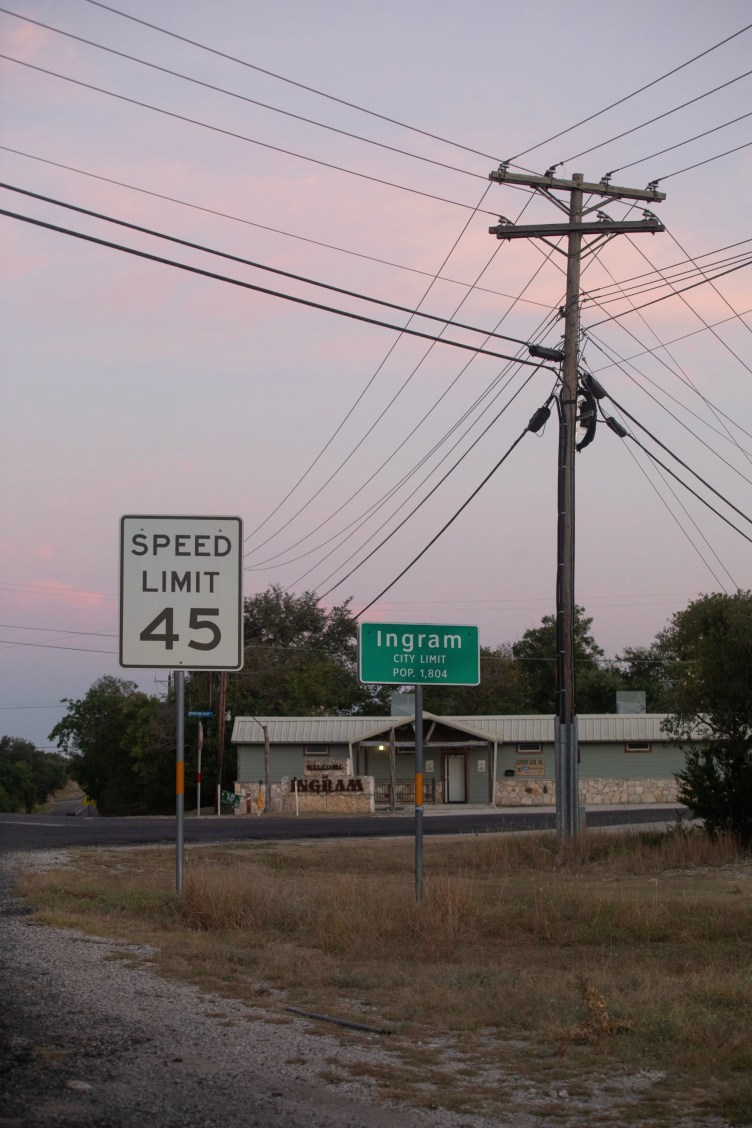
Impacts in Ingram, Texas
Ingram, Texas was still recovering from a historic flood when its police department joined with ICE. Within a year, local officers handed over the equivalent of 10% of the town’s population to immigration authorities. Officer Jaron Alexander became the face of this crackdown after he suggested ICE’s program to his chief.
Alexander parked his black Dodge Charger outside a house and walked up to investigate a noise complaint. A middle-aged woman greeted him while her pregnant daughter watched. They were celebrating a baptism with family and friends. Alexander found no issues but learned about ICE’s program shortly after, forever changing his interactions with them.
Throughout October, Alexander’s encounters with residents led to increasing tensions. He pulled over several people from the same family for minor infractions, leading to their detentions and deportations.
Increased Enforcement
Ingram’s Latino community faced a significant change with ICE’s partnership program. Police made more traffic stops, leading to deportations. The town was initially 45% Latino, but the deportations reduced the population significantly.
Within three months, Alexander and another officer had delivered at least 70 people to immigration agents. The town’s small size and increased patrol led to frequent run-ins with residents, exacerbating the situation.
Incentivized Participation
ICE offered incentives for participation in the 287(g) program. This included financial support like vehicle stipends and performance bonuses, attracting small agencies like Ingram’s Police Department.
Personal Struggle
Officer Alexander, already dealing with personal issues, returned to Ingram under pressure to increase enforcement. His role became central to the town’s immigration crackdown.
Alexander expressed conflicting emotions about his duties. He acknowledged his impact on the community but continued with his responsibilities.
Despite personal insights and concessions made in individual encounters, the program continued to operate aggressively in Ingram.
Community Response
The town faced protests and tensions. Residents accused one another of informing on undocumented neighbors, while Alexander’s presence in the town remained contentious.
Economic and Social Fallout
Businesses suffered due to the decrease in local Latino population. Republican business owners, who initially supported Trump, expressed discontent over the negative impact on the economy and community recovery efforts.
Construction projects stalled, and local economic activities slowed down. This highlighted the broader implications of the crackdown beyond immigration enforcement.
Officer’s Perspective
Alexander described his role as separate from the systemic issues, focusing on fulfilling his tasks despite moral conflicts.
Interactions with local families, such as those with Joanna Martinez, showed a complex relationship between enforcement duties and personal connections.
Long-Term Effects
Ingram remains part of a national network of ICE partners. The program’s expansion indicates its significant impact on communities nationwide.
Alexander’s legacy in Ingram is permanent, affecting both personal relationships and broader societal structures.
While adjustments have been made in enforcement methods, the town’s demographic and social fabric continues to evolve in response to enforcement.