
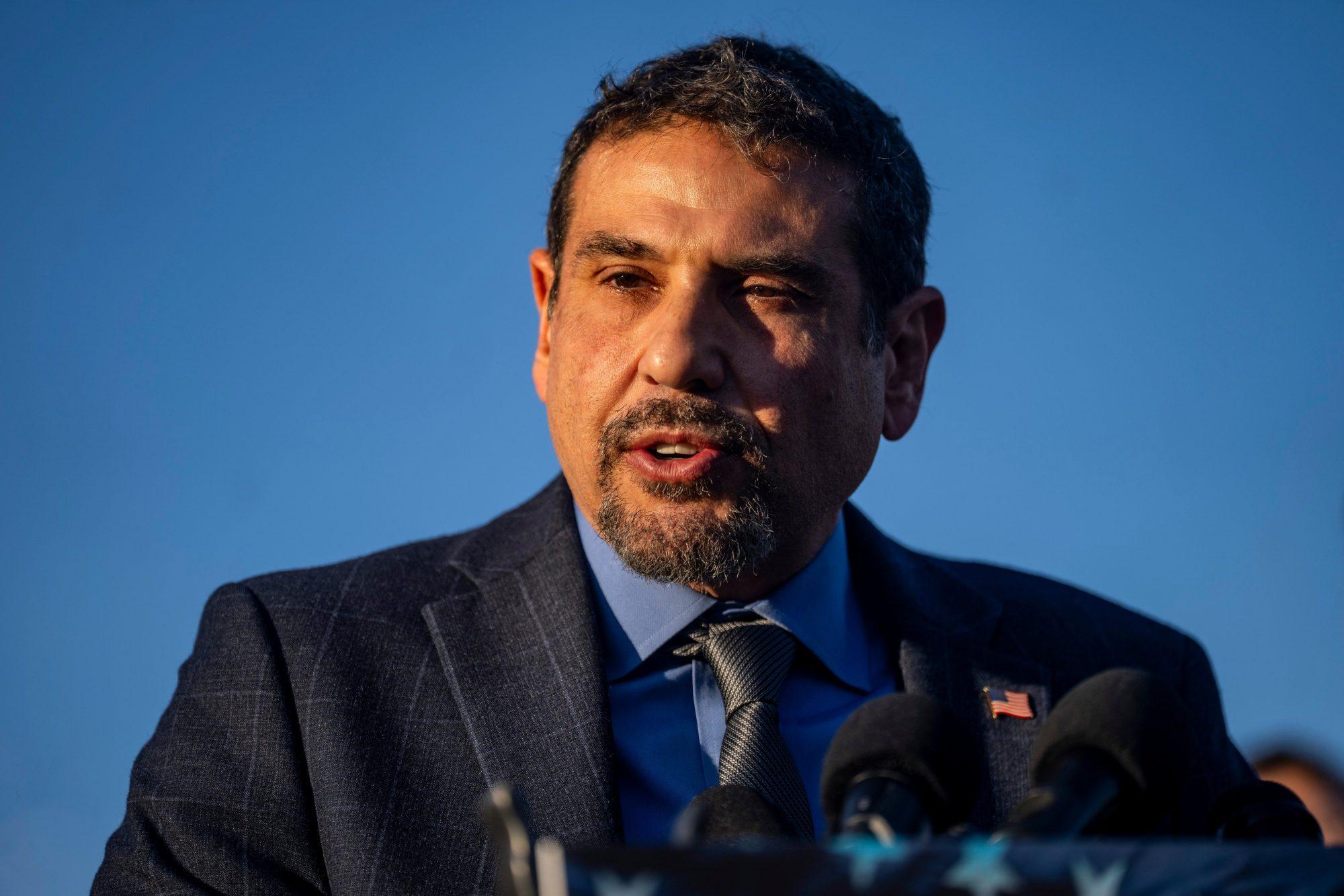
New Jersey Democrat Representative-elect Adam Hamawy recently stirred controversy. He refused to label Iran as an adversary, arguing the United States provoked conflict. In an exchange with CNN’s Pamela Brown, he equated anti-Iran rhetoric to Iran’s longstanding anti-American sentiments.
This stance raises questions about the Democratic Party’s direction. How did it arrive at a point where elected leaders hesitate to recognize threats? The reluctance to challenge Hamawy within party circles is notable. Over the past decade, groups like the Democratic Socialists of America have gained ground. They aim to reshape the party with candidates sharing their views.
Journalist Jon Levine raised early concerns about Hamawy. Despite highlighting his ties to contentious figures, opponents in a crowded primary failed to address the issue. In a 10-candidate race, fear of accusations like Islamophobia stifled opposition efforts.
Hamawy’s past warranted scrutiny. His appearance as a defense witness in the 1995 trial of Omar Abdel-Rahman, linked to the 1993 World Trade Center bombing, shows concerning connections. Yet, fellow Democrats remained silent.
The Democratic Party’s failure to counter Hamawy reflects broader trends. In Michigan, Democratic support for candidate Abdul El-Sayed included financial backing, yet El-Sayed later advocated for new leadership within the Senate. This highlights a disconnect between establishment backing and far-left goals.
The Democratic establishment continues to support far-left candidates, even when they push for internal change. The future dynamics within the party hinge on these evolving alliances.
Bethany Mandel contributes writings and podcasts at The Mom Wars.