
The Iconic Haka: More Than a Pre-Game Ritual
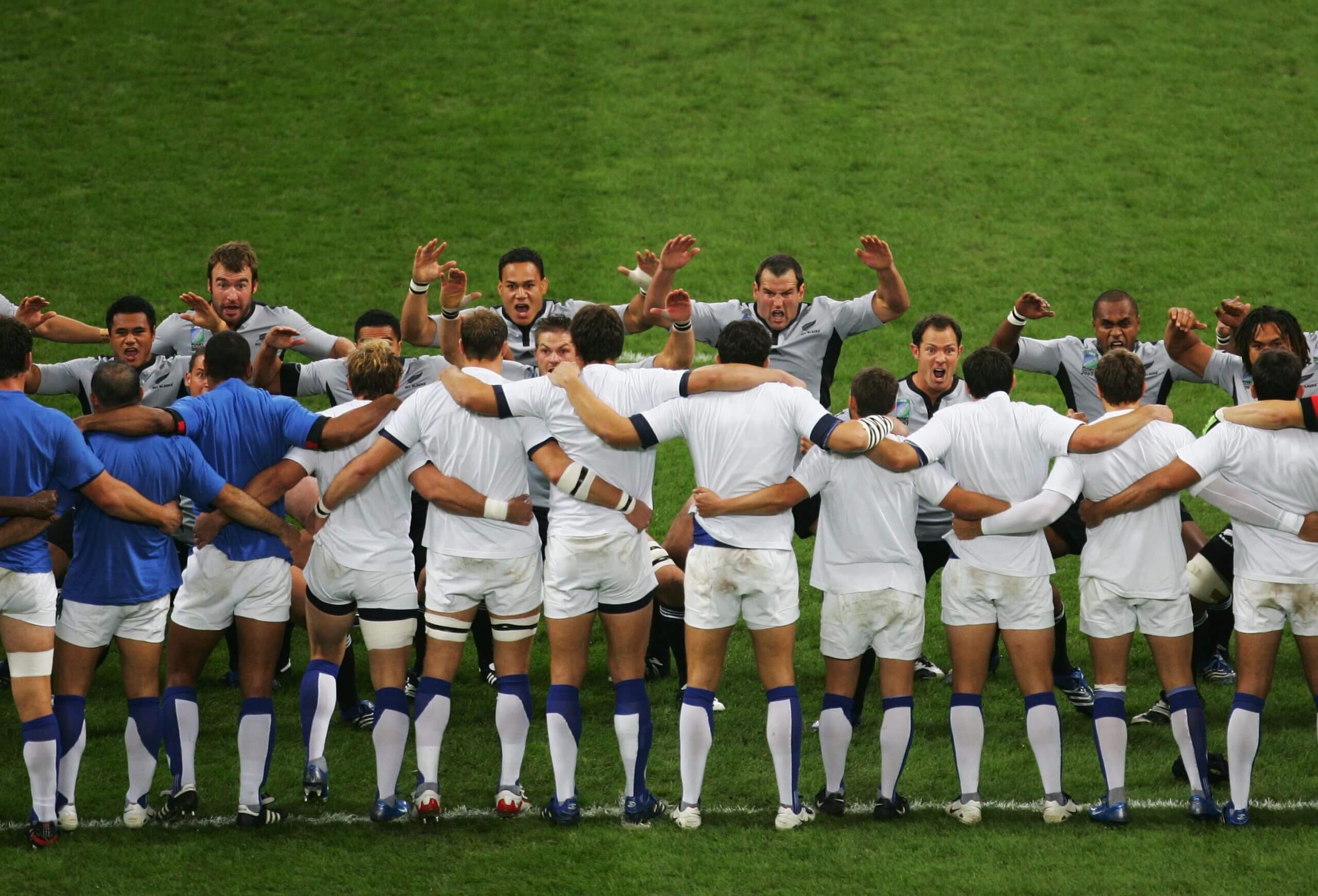
The haka, a ceremonial Maori dance, is famously performed by New Zealand’s rugby union team, the All Blacks, and other national teams. It symbolizes the essence of rugby and captures the spirit of competition. Tomorrow, M&T Bank Stadium in Baltimore will host a sold-out crowd of 71,000 eager to witness the All Blacks performing the haka against South Africa in the final match of a four-Test series. This event marks the first meeting of the world’s two most successful rugby nations on American soil.
The Haka’s Controversial Journey
20 years ago, the haka faced skepticism from rival teams claiming that New Zealand gained an unfair advantage by performing the haka before kickoff. Tana Umaga, then the All Blacks captain, recalls how the ritual was dismissed as unnecessary and misunderstood. Umaga decided to consult Derek Lardelli, a Maori elder, to better understand the haka’s cultural significance. With Lardelli’s guidance, the team introduced a new haka, Kapa o Pango, to enhance the traditional version, Ka Mate.
“He explained to me that if you have loved ones buried in Aotearoa, then those bloodlines are intertwined with all the bloodlines of the ancestors, which is the Maori people.”
The team presented Kapa o Pango in their match against South Africa in 2005. This new haka, symbolizing unity with the land, quickly gained attention. Though initially perceived as aggressive due to a move resembling a throat-slitting motion, it represents the invigorating act of drawing breath into the lungs.
Unity Through Tradition: Kapa o Pango
Scott Barrett, current captain of the All Blacks, emphasizes the haka’s role in unifying the players, regardless of their heritage. Kapa o Pango is often reserved for the most significant matches, including the recent series against South Africa, known for their Rugby World Cup victories in 2019 and 2023. The haka has been central to this intense rivalry, highlighted by legendary former player Ma’a Nonu’s emotional one-man haka.
Respecting the Haka: A Tradition Upheld
South Africa’s coach, Rassie Erasmus, while known for seeking strategic edges, has shown respect for the haka during the series. Despite tactics like mid-game messages and pre-match lineup changes, Erasmus views the haka as an honor. Historical disputes over the haka’s advantage have stirred varied reactions from opposing teams. Some responded with their own choreographed challenge, while others faced consequences for disrespect.
The International Rugby Board now regulates haka performances, ensuring respectful distances between teams. Courtside support during the haka varies, with fans sometimes singing distinctive anthems as a backdrop. Despite some opposition, the haka remains an integral part of rugby’s global culture. Umaga expresses understanding of diverse reactions, recognizing the haka as a personal challenge reflecting New Zealand’s ability to compete with larger nations.
The Upcoming Clash: A Decisive Moment
The series concludes in Baltimore, with South Africa leading 2-1 after a thrilling comeback victory in Soweto. This final match represents more than a competitive face-off; it upholds tradition and celebrates the cultural significance of the haka as both teams vie for dominance.