
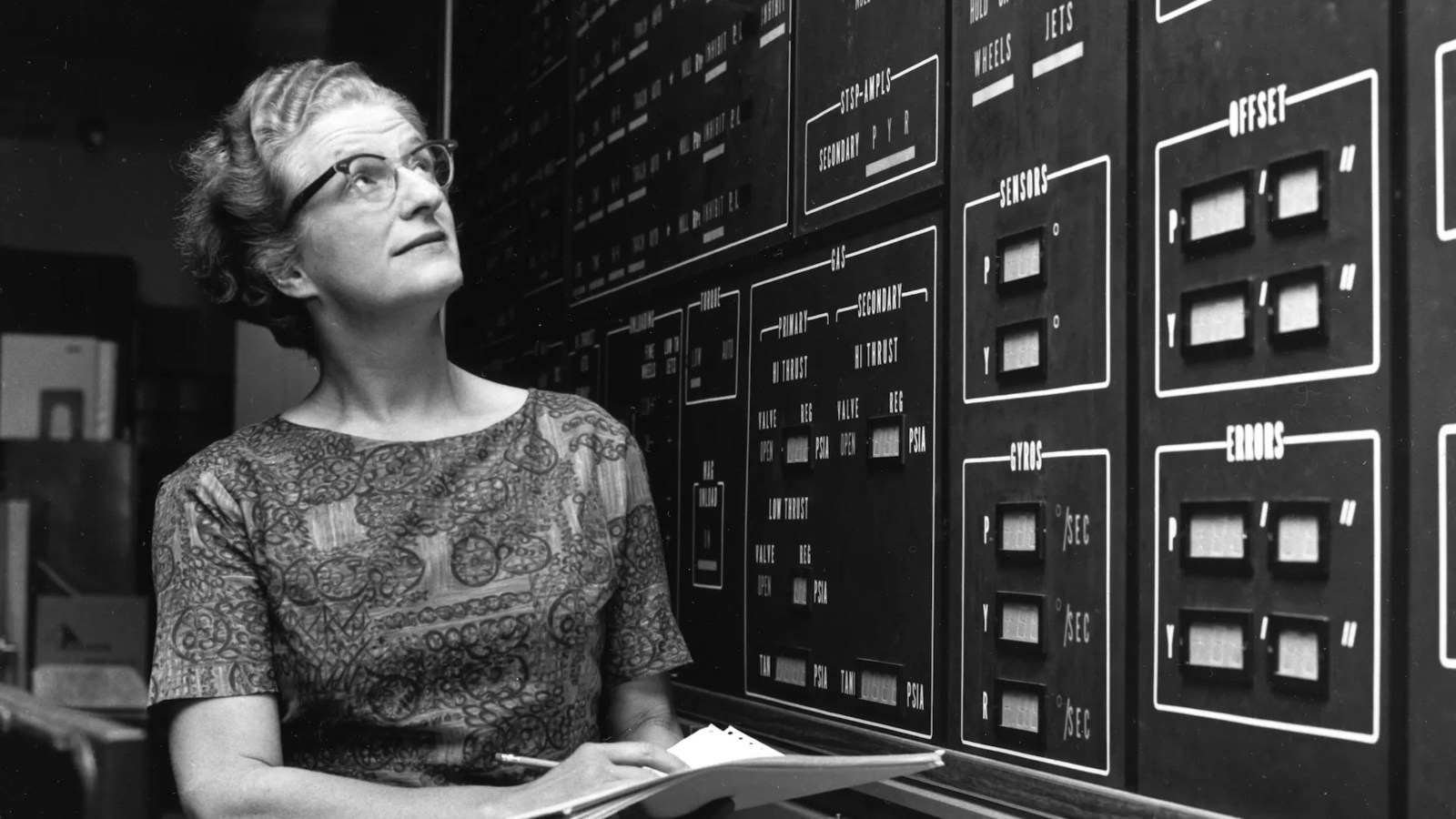
The Nancy Grace Roman Space Telescope launched on Sunday aboard a SpaceX Falcon Heavy rocket. This $4.3 billion mission aims to explore the universe’s biggest mysteries. Named after the pioneering astronomer Nancy Grace Roman, the telescope acknowledges her impact on NASA’s space astronomy program.
Significance of the Mission
Sunday’s event is a major milestone for NASA. The telescope’s wide field of view will map large portions of the universe faster than earlier observatories. It complements the contributions of the Hubble and James Webb space telescopes. According to NASA science mission director Nicky Fox, the telescope will possibly discover thousands of supernovae, tens of thousands of planets, billions of galaxies, and tens of billions of stars.
These findings could transform understanding of galaxy formation, planet development, and the universe’s evolution over billions of years.
Legacy of Nancy Grace Roman
Nancy Grace Roman made history as NASA’s first chief astronomer and significantly influenced U.S. space science. She was born in 1925 and faced challenges in a male-dominated field. Nonetheless, she pursued her passion for astronomy.
Roman joined NASA during its formative years. She was instrumental in establishing its astronomy program and advocated for deploying telescopes beyond Earth’s atmosphere to avoid atmospheric distortion. Her contributions led to the Hubble Space Telescope, earning her the title “Mother of Hubble.” She devoted her life to advancing scientific research and promoting women’s roles in astronomy. Roman passed away in 2018 at age 93.
Purpose of the Telescope
The Nancy Grace Roman Space Telescope aims to conduct extensive surveys of the universe with unprecedented scope. Its field of view is over a hundred times larger than Hubble’s, enabling rapid imaging of vast sky regions while maintaining strong sensitivity.
The observatory will journey for more than three months to reach its operational point near the second Lagrange point, a gravitationally stable location about 1 million miles from Earth. This area is also where the James Webb Space Telescope resides. During its five-year mission, the telescope will search for planets outside the solar system, map billions of galaxies, examine black holes, and study dark energy and dark matter. By scanning large sky areas, it hopes to uncover previously unobserved objects and phenomena.