
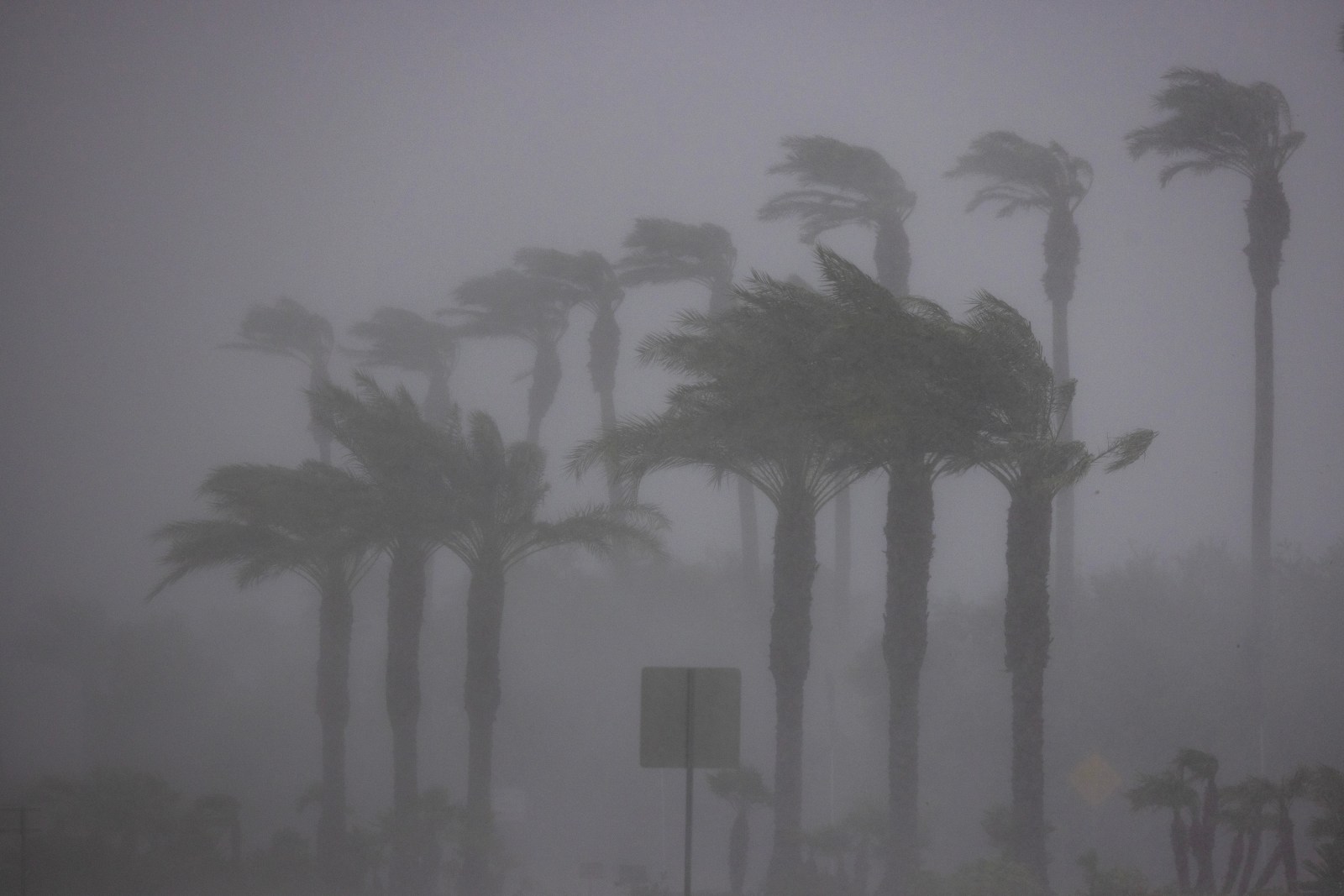
El Niño’s Intensification and Expected Effects
A meteorologist from the National Oceanic and Atmospheric Administration’s (NOAA) Weather Prediction Center (WPC) reported to Newsweek that El Niño is becoming stronger and could potentially bring severe weather to the United States in the coming months. This El Niño is anticipated to be stronger than those experienced in decades, with significant impacts in certain regions.
What Is El Niño?
El Niño is recognized as the warm phase of the El Niño–Southern Oscillation (ENSO), a recurring climate pattern resulting from the interaction between the Pacific Ocean and the atmosphere. Its counterpart, La Niña, signifies the cool phase. El Niño is identified by abnormally high sea-surface temperatures in the Pacific Ocean, which can result in stormier weather patterns in the Southern U.S. and drier conditions in some northern areas. It can also impact hurricane activity.
“El Niño means the sea surface temperatures in the eastern Pacific, along the equator, off the coast of South America and Central America, are above normal.” – Tony Fracasso, WPC meteorologist.
Previous strong El Niño episodes have been linked with significant weather anomalies. During the 1997-98 Super El Niño, there was extensive flooding in California and Peru. The 2015-16 El Niño was associated with breaking global temperature records and widespread disruptions.
Regions at Risk
California and the Southeast of the U.S. are expected to face more intense storms due to El Niño, according to meteorologist Tony Fracasso. The storm tracks across the country might change, leading to a possible warmer winter for most areas. Despite variability in El Niño’s impact, California has experienced more rain in past episodes.
Additionally, the southern states along the Gulf and the Carolinas could see wetter conditions, while areas near the Great Lakes may encounter drier conditions. El Niño is expected to keep strengthening through the end of this year, with NOAA predicting a 69% chance of a historically intense event surpassing previous El Niños since 1950.
Weather Forecasts and Predictions
Jeff Berardelli, a meteorologist from WFLA-TV, anticipates a “boost” to El Niño in the coming weeks, possibly leading to unprecedented weather events. He forecasts a major push of west winds in the Tropical Pacific, which might increase temperatures beyond the record set in 2015.
According to the NOAA, the subtropical jet stream—a fast-moving westerly wind band high in the atmosphere—will form, leading to frequent fronts, severe weather, and weekly rainfall for the southern U.S. and additional rain for California in winter.
Understanding the ‘Super El Niño’
This year’s El Niño, dubbed a “Super El Niño,” refers to exceptionally strong events, a term last used during the 2015-2016 period. Despite advancements, uncertainty remains regarding the precise interactions causing this year’s strength, particularly related to oceanic currents and atmospheric effects.