
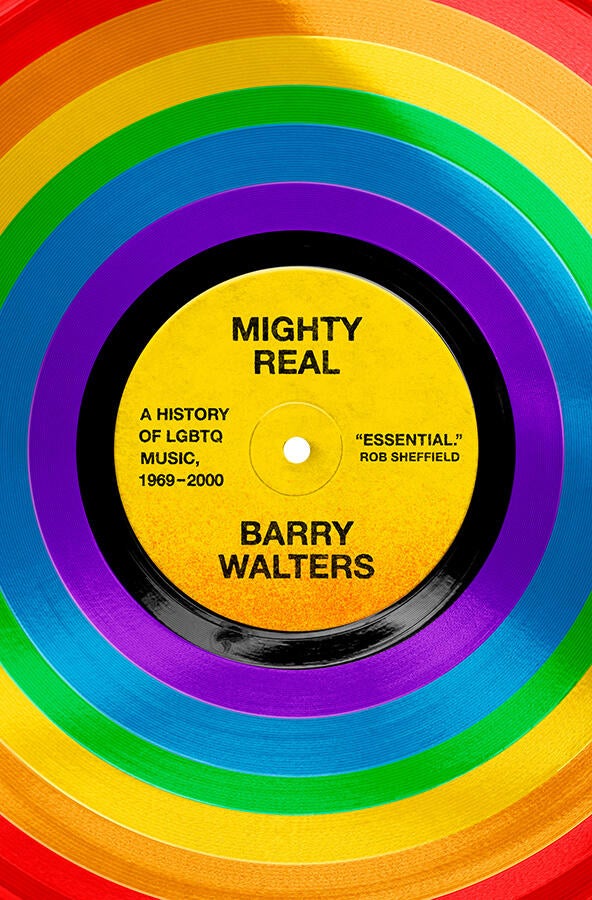
Rolling Stone writer Barry Walters discusses the influence of language in LGBTQ music. His book, Mighty Real, explores the history of LGBTQ musical expression. Walters highlights how LGBTQ individuals often adapt mainstream love songs to resonate with their experiences. Despite the widespread appeal of queer artists, such as Sam Smith, LGBTQ themes frequently remain marginalized in pop music.
Sam Smith, a prominent gay musician known for hits like “Unholy,” delivers a significant message with his new single, “My Guy.” Walters notes its straightforward portrayal of a same-sex relationship using masculine nouns. This transparency in representation is noteworthy given Smith’s mainstream status.
The evolution of LGBTQ representation in music traces back to influential figures. Little Richard’s enigmatic style and David Bowie’s gender-challenging art set precedents for risk-taking musicians. Historically, those who defied norms often had less at stake. Comparable to the Stonewall Inn protests 57 years ago, Smith’s song represents a quiet form of resistance.
In “My Guy,” Smith combines emotional depth with clear representation. The song exemplifies how a simple linguistic choice can signify progress in LGBTQ acceptance within mainstream music.
For those interested, Barry Walters’ book Mighty Real: A History of LGBTQ Music, 1969-2000 offers insights into this evolution. Available in multiple formats, it’s accessible through major retailers like Amazon, Barnes & Noble, and Bookshop.org.