
The Sinaloa Cartel Incident
In a significant breach, a hacker linked to the Sinaloa cartel compromised an FBI assistant legal attaché in Mexico City. According to Reuters, citing a Justice Department inspector general report from June 2025, the hacker accessed call records and location data through the official’s phone number. This data allowed the cartel to track the official using Mexico City’s camera network, ultimately leading to the intimidation and, in some instances, murder of potential sources and cooperating witnesses.
This case underlines a critical issue: the commercial data economy now enables adversaries to perform extensive surveillance without physical presence. This presents a serious risk to national security.
Department of Justice Concerns
An updated audit by the Department of Justice (DOJ) Inspector General warns about what it terms as ubiquitous technical surveillance (UTS). The report revealed that within the DOJ, there is no common definition of UTS, and the coordination to address it is lacking. Few DOJ components have taken measures against UTS threats, and there is a significant lack of UTS-specific training.
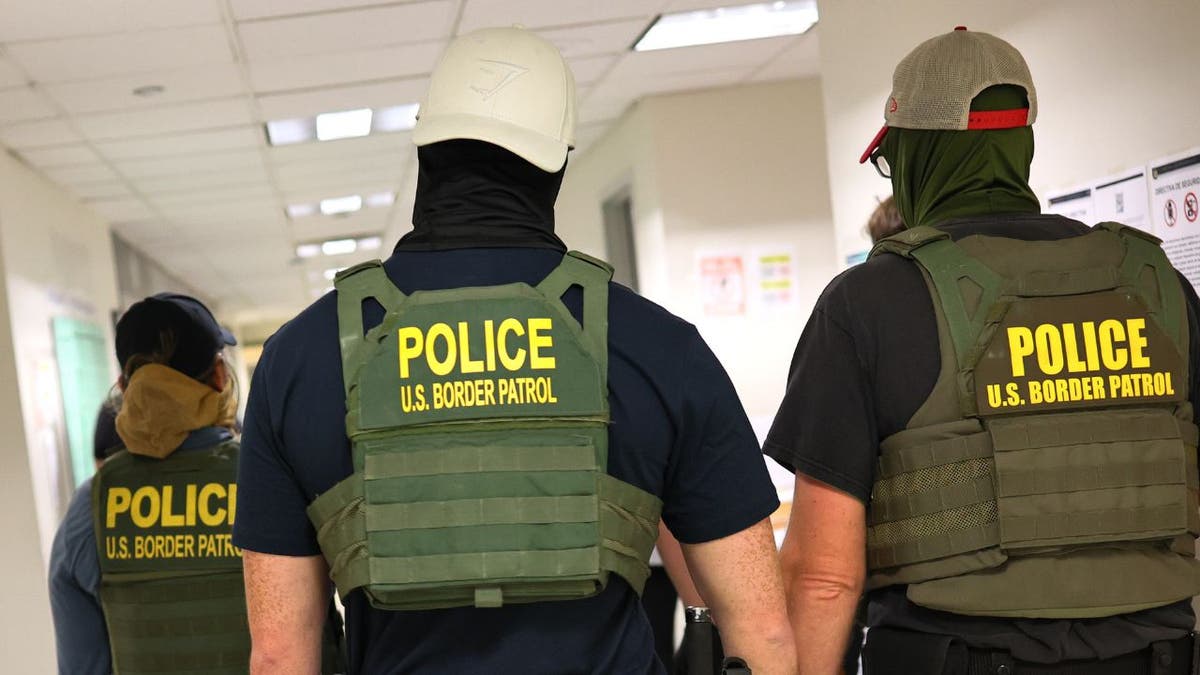
The lack of coordinated response to UTS poses a substantial risk to Homeland Security and law enforcement officials. For example, Border Patrol agents now use masks or neck coverings to hide their identities during operations.
A Call to Action
Having served in federal law enforcement for 25 years, I understand how rapidly technology alters the threat landscape. As the acting director for Immigration and Customs Enforcement (ICE), I witnessed these threats firsthand. My family experienced the risks as well.
In October 2025, the Department of Homeland Security (DHS) announced bounties on ICE and Customs and Border Protection officers in Chicago, set by cartels. The rewards were as much as $50,000 for harming high-ranking officials, and $2,000 for intelligence gathering.
This situation highlights the need for comprehensive solutions to counter these threats.
Addressing Surveillance Risks
The existing commercial data economy can expose sensitive information, leaving law enforcement officers vulnerable. For instance, Duke University researchers acquired sensitive records of US military personnel for a mere 12 cents each. A WIRED investigation further demonstrated how commercial location data could trace devices associated with US military sites in Germany back to personal addresses.
To safeguard agents and their families, it’s essential to enhance protective measures. Agencies should implement programs checking adversaries’ access to personnel information, aid in removing addresses from brokerage sites, assist families in securing accounts, and establish protocols to report threats.
Congress should allocate clear authority and ongoing funding for these protective measures.
Proactive Measures for Protection
Immediate action is required to prevent further breaches. Assigning a senior official to oversee protection efforts is critical. Priority must be given to at-risk personnel, such as task force members working on cartel cases and overseas attachés. Assess what adversaries can discern and utilize findings to reduce exposure, training agents to operate under the assumption of visibility.
The Mexico City incident illustrates the danger surveillance poses to American officials and their families. Leakage of data like addresses and daily patterns can endanger entire households. It’s crucial to address these vulnerabilities before more lives are at risk.
Todd Lyons, a senior vice president at Navigators Security and Defense, has served as acting director of US Immigration and Customs Enforcement.