
Financial Challenges in Racing
Becoming a top-tier racing driver requires more than mastering sport details like race craft and car control. It involves significant financial commitments. For young drivers like Asad Nikadambaev, building a brand is crucial to attracting sponsorships. At 15, Asad has impressive racing achievements but faces hefty costs as he climbs the ranks. His father, Odil Nikadambaev, reported that the 2027 season could cost up to $350,000, excluding travel and other expenses. This is a big leap from the nominal cost of renting a go-kart during Asad’s early racing days.
“Most families can’t afford that. Neither can we. We need to look for partners,” said Odil Nikadambaev.
Odil highlights the need for brands and companies to support Asad’s journey through USF Juniors, a critical stage for those aiming to turn professional.
Building a Brand: Social Media and Sponsorship
Asad exemplifies the intersection of sports and business and the marketing skills needed by young athletes to secure funding. There are also risks involved when minors seek exposure online. Studies show high instances of online abuse targeting athletes. Asad’s social media, launched in January, has over 60,000 YouTube subscribers, with one video accumulating over 10 million views. Viral content is part of his strategy to attract sponsors who can help cover costs like car maintenance, team expenses, and travel.
Asad’s Racing Achievements
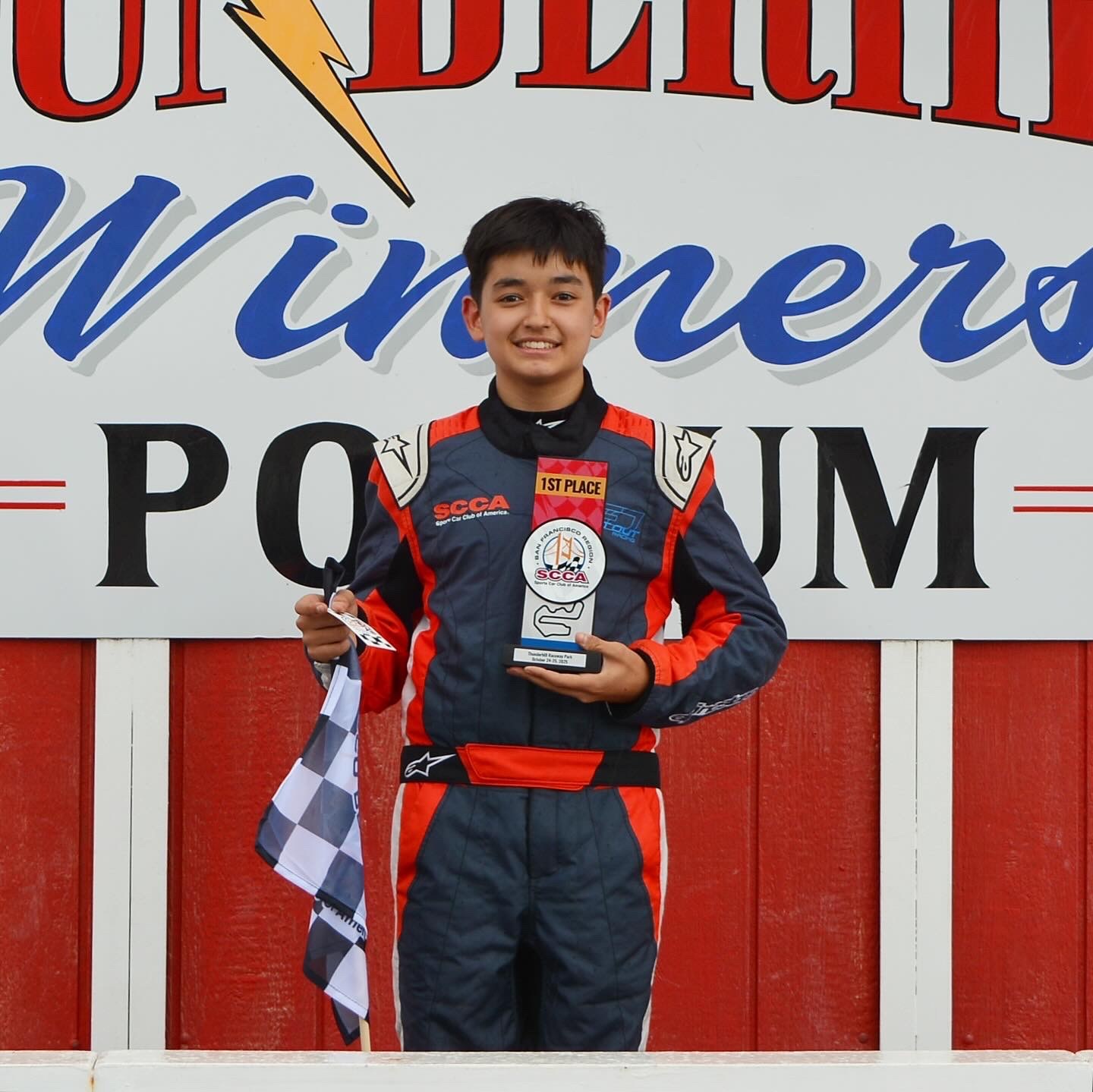
Asad achieved significant success in the Hoosier Racing Tire SCCA Super Tour at Buttonwillow Raceway Park, California. Competing in the Spec Racer Ford Gen3, Asad outperformed national champions, taking first place. This series opens paths for drivers aiming to advance. Next, Asad targets USF Juniors, which uses the Tatuus JR-23 racing car, a stepping stone to Formula One or IndyCar racing.
Asad expressed the sacrifices made by him and his family for motor sport, reflecting the changing dynamics of sports sponsorship. Sponsors now value community access, compelling stories, and content that positively associates with their brand.
Online Presence Risks
While building a personal brand is vital, the online environment poses risks, especially for minors. Professor Andrea Geurin at New York University’s SPS Tisch Institute for Global Sport has studied online abuse against athletes. She noted that young athletes may naturally gravitate to social media, but education on these risks by teams and governing bodies is insufficient.
“Very few U.S. sport national governing bodies educate their younger athletes about these issues,” noted Geurin.
Asad’s social media accounts are managed by his father, who uses tools to filter out unwanted interactions. This setup lets Asad focus on racing, along with content creation and branding.
For further information, contact Newsweek editor Mike Hirst.