
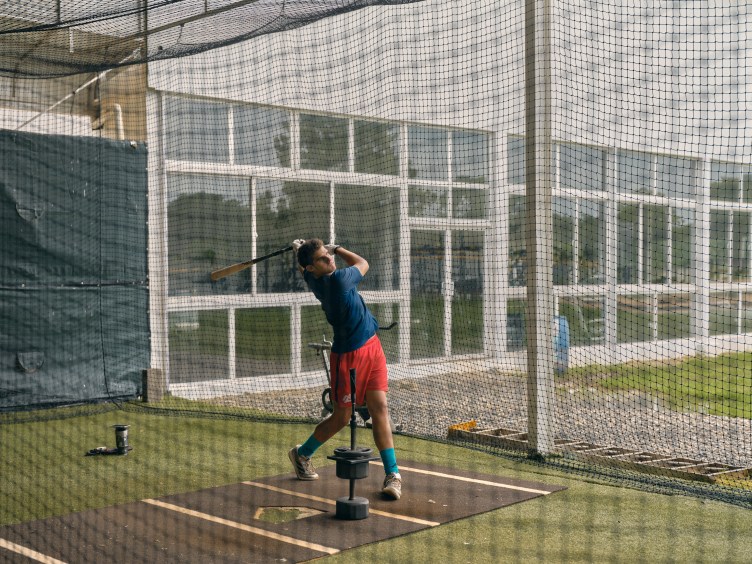
Baseball plays a significant role in the Dominican Republic, sending many players to American major and minor leagues. Notable Hall of Famers like Pedro Martínez and Adrian Beltré originate from this region. The country, dotted with playing fields and training academies, celebrates those who have succeeded in professional baseball. For nearly 50 years, more players from the Dominican Republic have entered the major leagues than from any country outside the United States. Despite having a population similar to Ohio’s, the nation had 144 players reach major leagues last year, constituting about 10% of the league.
The Dominican baseball system operates on a large scale, with teams offering signing bonuses to about 450 prospects annually. Although fewer than 10% of these players make it to the majors, the bonuses, often several times the country’s average annual income, can transform players’ lives and their families. However, Major League Baseball (MLB) has enabled a system that disadvantages young players.
Trainers and Financial Challenges
Trainers coach young athletes in exchange for a portion of their future earnings. While young players in the United States and Canada enter the major league system through an annual draft, in the Dominican Republic, players join the highest bidder. Recognizing cheap talent, MLB teams set up basic training academies in the country. Buscones, or talent scouts, have since established their own academies. There are now hundreds of such facilities, with around 6,000 trainers providing not only coaching but also necessities like room and equipment.
In return, these trainers usually take 35% to 50% of a player’s signing bonus, which can range from $30,000 to much higher amounts. From 2012 to 2026, MLB teams paid Dominican prospects $1.042 billion in bonuses. However, trainers and lenders take as much as half a billion dollars almost immediately.
Informal Agreements and High-Interest Loans
Despite rules against signing players under age 16, teams circumvent this through unwritten early agreements, or preacuerdos, promising funds once players reach the legal age. These deals often involve players as young as 11, delaying their bonus payments.
The preacuerdos have led to a rise in prestamistas, or moneylenders, who offer loans at steep interest rates against these bonuses. Since the nation’s usury laws were repealed 24 years ago, these lenders advertise aggressively to young players and their families. An example includes Belfi Rivera, who at 14 made a deal with the Arizona Diamondbacks for $1.8 million. Much of this money went to his trainer and a lender named Santo Caraballo, despite Belfi receiving very little himself.
Lenders’ Impact and Influence
Lender Santo Caraballo also involved himself in salvaging the career of prospect Oneil Cruz, following a deadly car crash in 2020. Caraballo became a fixture in the Dominican baseball lending scene and partnered with David Ortiz. While Ortiz has distanced himself from Caraballo, their financial ties raise questions regarding their influence in opposing an international draft.
Ortiz advocated against an international draft, sending messages urging resistance. Proponents of the draft, like MLB commissioner Rob Manfred, believe it could eliminate early deals. Ortiz’s opposition, however, led to suspicions about his financial motivations and the preservation of the current system that benefits lenders like Caraballo.
Though MLB’s presence in the Dominican Republic is significant, its actions to address or reform early agreements remain limited. The league hasn’t penalized teams for early deals nor effectively educated families about predatory lenders.