
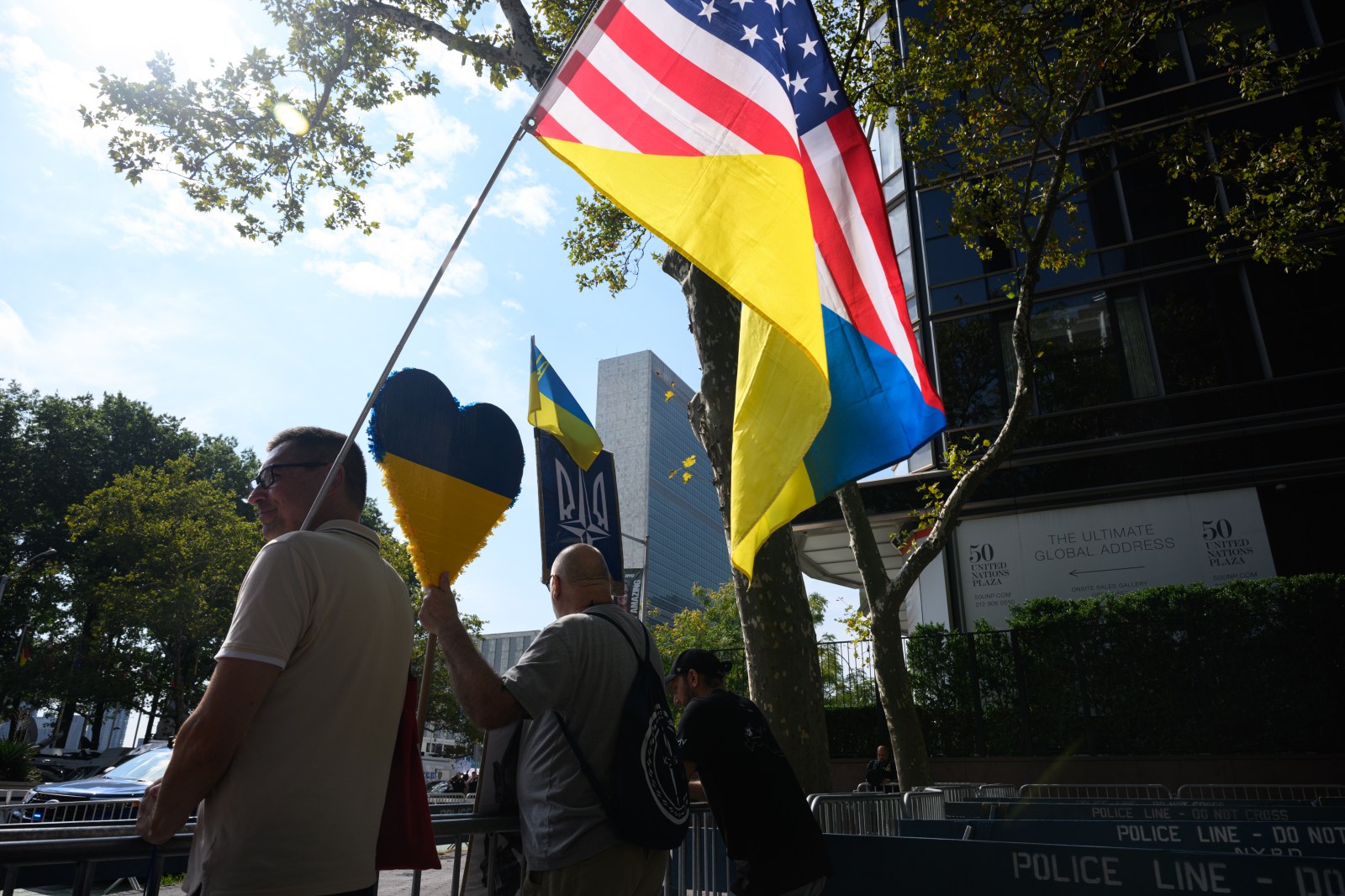
Immigrants from Ukraine and Sudan residing in the United States under Temporary Protected Status (TPS) will continue to have legal protection for at least six more months. This comes after the Trump administration left the decision on both countries’ TPS designations unresolved as of Monday.
The timing of this development is notable, occurring just weeks before the midterm elections. Concerns have been raised from both sides of the political aisle, including Republican Senators Lisa Murkowski from Alaska and Susan Collins from Maine. These concerns focus on the status of Ukrainians who fled the 2022 Russian invasion and are legally living in the U.S.
Over the last 21 months, the Trump administration has aimed to end TPS for numerous countries as their designations expired. This has resulted in hundreds of thousands losing work permits and deportation protections, despite ongoing conflicts in their home nations like Venezuela, Haiti, and Afghanistan.
Current Status and Official Announcements
Originally, TPS designations for Ukraine and Sudan were set to expire on Monday. However, no official announcement has been made by the Department of Homeland Security (DHS) regarding an extension or termination, resulting in a default six-month extension. A DHS spokesperson assured Newsweek that decisions for both countries would be made “at the appropriate time.” Until then, TPS holders from Ukraine and Sudan remain protected.
“By choosing not to follow the law, it’s throwing immigrants and employers into a state of day-to-day existential uncertainty,” Dara Lind, senior fellow at the American Immigration Council, told Newsweek.
Advocates have expressed concerns over the uncertainty facing thousands of immigrants. It has been suggested that action from Congress is overdue, with calls to allow TPS holders who’ve adhered to the law for years to apply for permanent status.
Impact on Midterm Elections
This issue arises as immigration remains a key topic leading to the upcoming midterm elections. A Pew Research Center survey from May revealed 52% of Americans felt the Trump administration was too harsh in deporting immigrants, compared to 31% who felt the actions were appropriate. Meanwhile, Gallup found 73% of Americans viewed immigration positively, albeit a slight drop from 79% the previous year.
October polling by ABC News/Washington Post/Ipsos showed a shift in voter trust. Democrats now lead the GOP by 37% to 35% on immigration issues, a reversal of previous trends.
Discontent has grown within Trump’s own party regarding immigration policies. Prominent Republican figures, such as Collins, have expressed concerns in response to incidents like fatal shootings related to immigration enforcement.
Conditions in Ukraine and Sudan
When ending TPS for other countries, DHS cited improved conditions after conflicts or disasters. Despite this, situations in countries including Haiti, Venezuela, and Syria remain volatile. Legal challenges have occasionally reached the Supreme Court, which supported the administration’s decisions.
Ukraine continues to be at war with Russia, with the U.S. engaged in diplomatic efforts to resolve the conflict. The invasion displaced millions of Ukrainians, with approximately 101,000 finding refuge in the U.S. and receiving TPS benefits.
“Sending Ukrainians back now would risk returning them to life-threatening conditions,” Murkowski and Collins wrote in their September letter.
Sudan faces an ongoing humanitarian crisis due to a civil war since April 2023. This conflict has displaced millions, devastated infrastructure, and triggered one of the world’s worst humanitarian situations according to the United Nations. About 1,700 Sudanese with TPS currently reside in the U.S.
Next Steps
An official decision on TPS for both countries is expected from DHS before its expiration in April. This extension gives them temporary security, though advocacy for a more definitive solution continues.
The delay in an official decision has left affected families in uncertainty, highlighting the need for clearer, formal resolutions.