
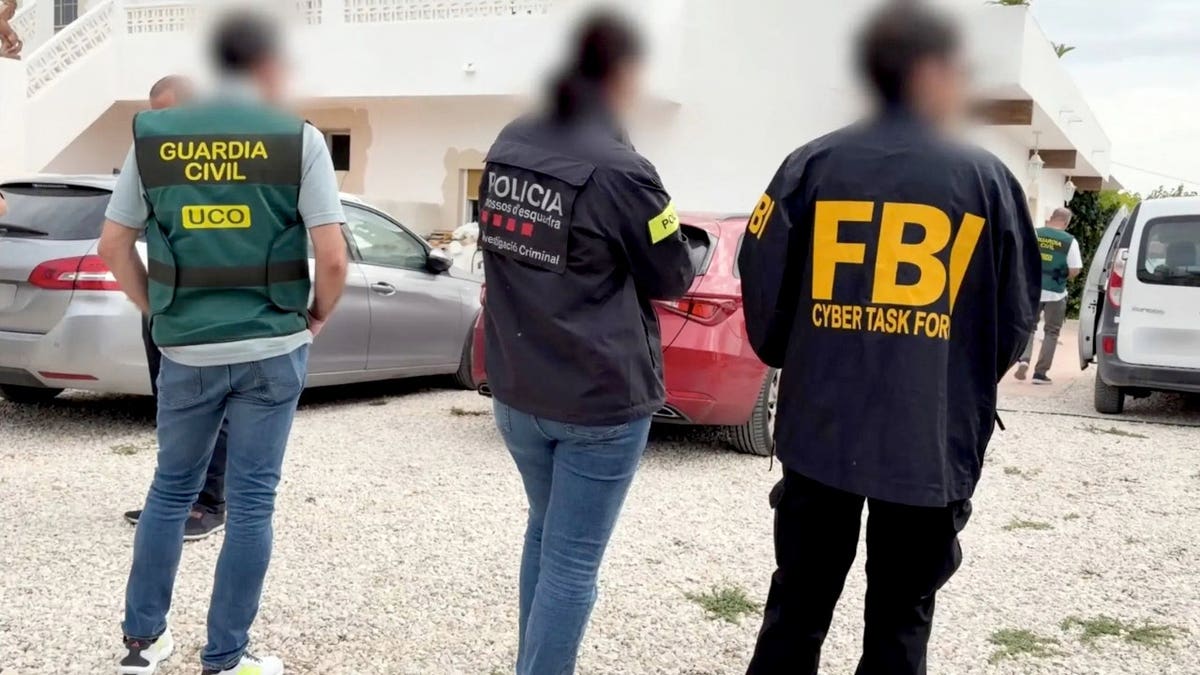
Investigators have linked KillSec, a notorious cybercrime group, to approximately 1,000 suspected ransomware attacks worldwide. Evidence points to a 16-year-old as the main operator behind these criminal activities. Law enforcement agencies from various countries have shut down KillSec’s leak site and crucial servers, securing 110 terabytes of stolen data.
International Law Enforcement Collaboration
A coordinated operation known as Operation KillSwitch saw officers from the United States and several European nations taking action. Europol and Eurojust were instrumental in organizing these efforts. Searches were conducted across multiple countries, resulting in provisional arrests and the seizure of key infrastructure used by KillSec.
Notable Suspects
The young age of the suspects is striking. The main operator is suspected to be a teenager. An alleged developer was also identified, having been a minor during some of the alleged criminal activities.
Europol disclosed that KillSec actively exploited software vulnerabilities to infiltrate organizations. After gaining access, the group copied sensitive files to their own systems.
Ransom Tactics
KillSec often pressured victims by listing them on a dark web site, threatening to expose stolen data. Some victims faced severe consequences when refusing to pay, as their data was publicly disclosed. Substantial ransom payments were reported in some cases.
Role of Artificial Intelligence
AI played a significant role in KillSec’s operations. It aided in building and maintaining ransomware systems and identifying targets for attack. The use of AI highlights a shift in the ease of executing complex cybercrimes, enabling perpetrators to lower barriers once requiring technical expertise.
Impact of Operation KillSwitch
Despite the shutdown of KillSec’s core infrastructure, authorities continue examining seized evidence. Investigators are tracing the group’s cryptocurrency and other profits, possibly uncovering more attacks or collaborators.
Lessons for Cybersecurity
KillSec’s focus was largely on organizations, yet individuals have much to learn from this case. Europol warns about weaknesses like software vulnerabilities and poorly secured access points. These are easily exploitable for cybercriminals, emphasizing the need for robust security practices.
Reducing Ransomware Risk
- Install software and security updates regularly to close known vulnerabilities.
- Utilize strong, unique passwords for each account; consider using a password manager.
- Implement two-factor authentication to add another layer of security.
- Keep offline backups of important files to safeguard against data loss.
- Exercise caution with unexpected downloads and email attachments.
- Use reliable security software to detect threats early.
- Know how to respond if ransomware strikes; disconnect affected devices and report incidents to authorities like the FBI.
These steps might prevent a cyberattack from disrupting your life or business.
Conclusion
The involvement of adolescents in complex cybercrime operations is alarming. Vulnerable software and unsecured access points continue to leave organizations exposed. Adhering to basic security measures is crucial in safeguarding against these threats. Stay informed about best practices to reduce risk and protect sensitive information.