
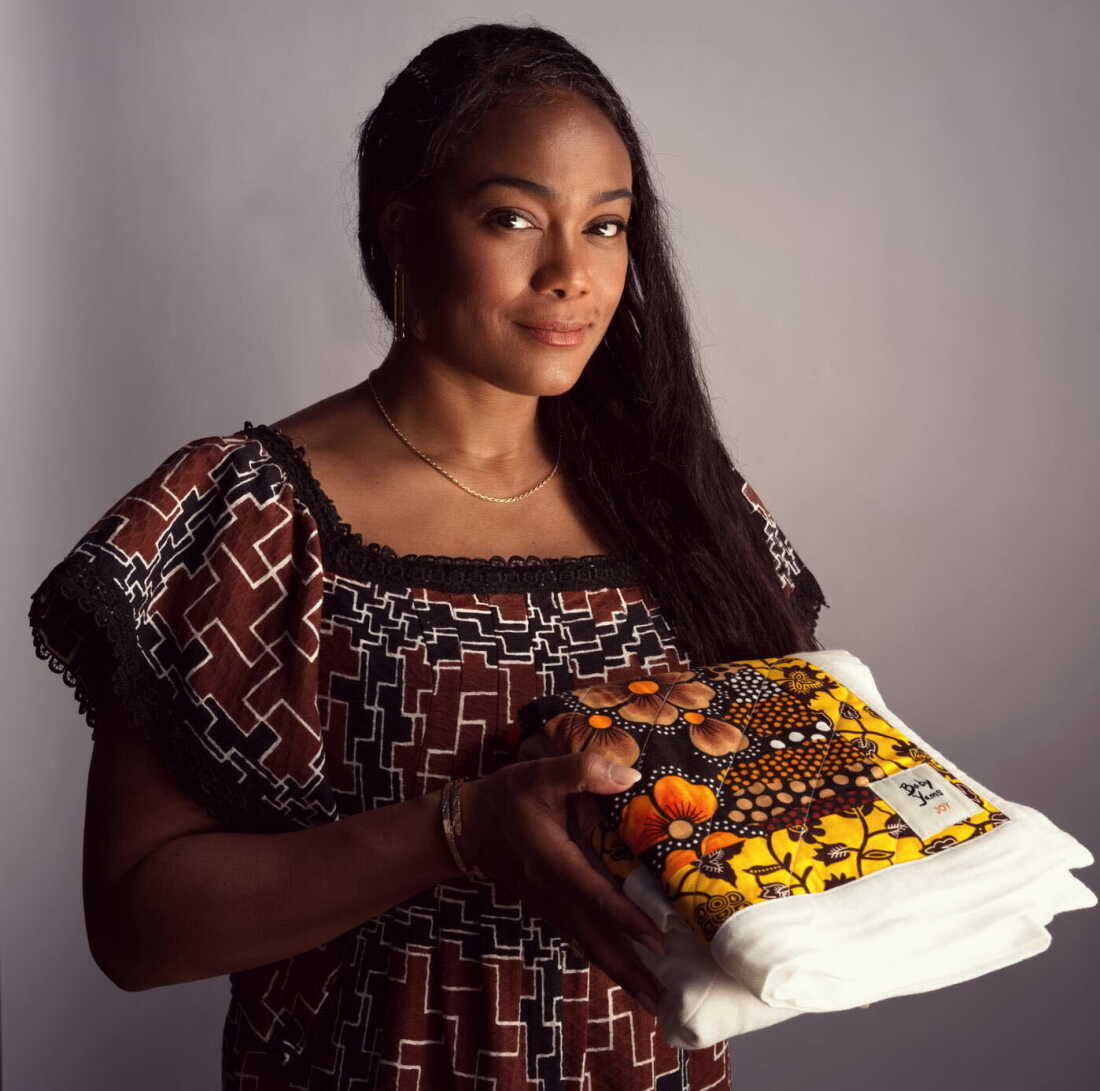
Actor and singer Tatyana Ali has emerged as a prominent advocate for improving maternity health outcomes for Black and Indigenous mothers and babies. Her efforts focus on addressing systemic racism and inequity in maternity care. Ali’s activism stems from her own experiences during the 2016 birth of her first son, Aszi, which she describes as ‘obstetric violence.’
Ali, known for her role as Ashley Banks on ‘The Fresh Prince of Bel-Air,’ is now competing in the latest season of ‘Dancing with the Stars’ on ABC. Despite her Hollywood career, her role as a mother holds significant importance for her.
Ali and her husband Vaughn Rasberry are parents to two sons, Alejandro and Aszi. In an NPR interview, Ali shared that the birth of her eldest son motivated her to speak out for Black and Indigenous mothers. Her joy during pregnancy turned into distress when her birth plan was ignored, and she experienced physical restraint during delivery, leading to what she later recognized as ‘obstetric violence.’
The U.S. is considered a dangerous place for childbirth compared to other developed nations, with 649 maternal deaths recorded in 2024, according to federal data. Black mothers are more than three times as likely to die from pregnancy-related causes than white mothers. Stories like Ali’s highlight the urgent need for change in maternity care. Dr. Tamika Auguste, chair of women’s and infants’ services at MedStar Washington Hospital Center, underscores the importance of recognizing racial disparities and actively addressing bias in medical settings.
The closure of maternity wards has further hindered access to maternal care. More than 500 hospitals shut down maternity wards between 2010 and 2022, contributing to maternity care deserts where many women lack adequate maternity services.
Ali’s journey involves forging supportive relationships within the Black and Indigenous maternal health community. She founded Baby Yams, a business that funds grants for Black and Indigenous birth workers and students. Baby Yams produces heritage quilts in vibrant fabrics, representing protection and strength. Proceeds are donated to the Birth Future Foundation, which finances midwives, doulas, and student birth workers.
Nadia Gramby, a midwife in Alabama, speaks about the positive impact of the support she received through the Birth Future Foundation scholarship. This financial aid allowed her to advance from a doula to a midwife, enabling her to provide essential maternity care in areas designated as maternity care deserts.
Research highlights midwives as vital to reducing complications during childbirth and expanding access to care, especially in underserved regions. There are calls to remove restrictive policies and enhance reimbursement rates for midwives. Despite concerns about out-of-hospital births, Ali’s second pregnancy was more aligned with her birth plan, illustrating the importance of having choices and control over one’s body.