
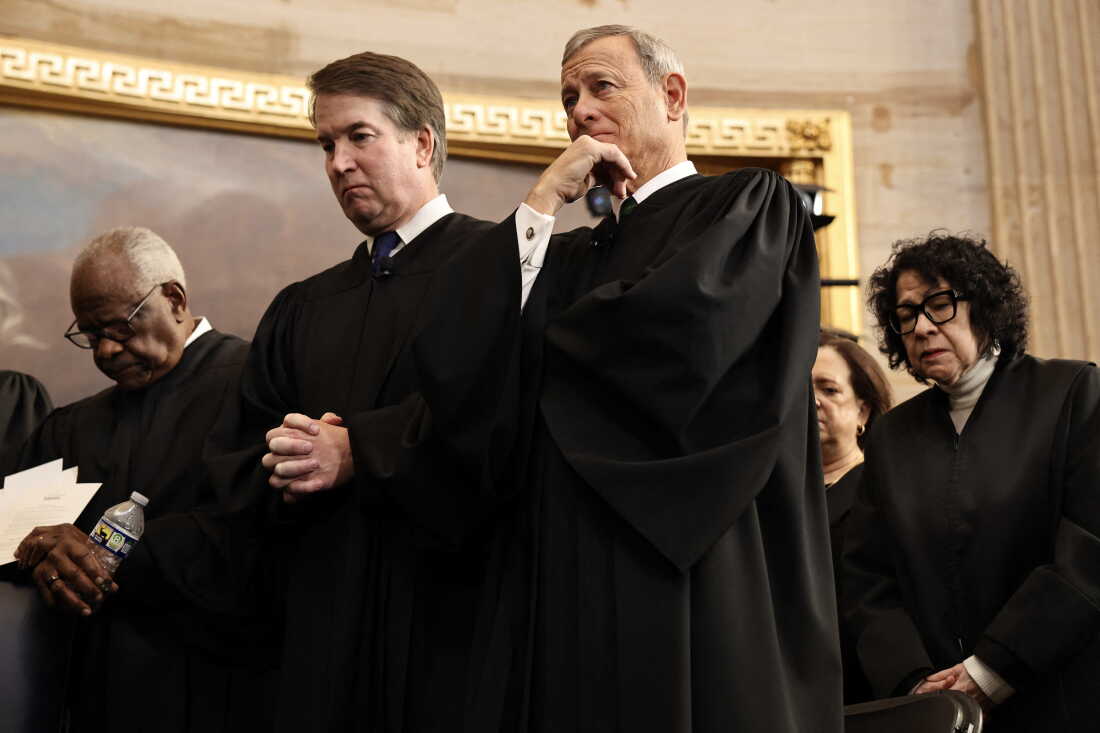
The Supreme Court has seen a noticeable increase in the duration of oral arguments. These sessions, once set to last around an hour, have extended significantly, testing the patience of some justices. Chief Justice John Roberts is considering potential changes when the new term begins in October.
Shift in Argument Duration
Traditionally, the Supreme Court enforced a strict timeline for oral arguments. Typically, cases were limited to 60 minutes. The late Chief Justice William Rehnquist was known for enforcing these limits. Rehnquist would cut off arguments when time expired, regardless of who was speaking.
Today, sessions frequently extend to 90 minutes or longer. Adam Feldman, an analyst focusing on the Supreme Court, notes the significant increase in argument duration.
Pandemic-Induced Changes
The COVID-19 pandemic forced the court to adjust its procedures. Advocates received uninterrupted time to present their case. Each justice could ask questions individually before open discussion commenced. Feldman mentions that this setup was necessary to maintain order telephonically.
Transparency and Public Perception
Oral arguments serve as the court’s transparent aspect in its decision-making process. According to Tonja Jacobi, a law professor at Emory University, these sessions are vital for public access, even if public engagement remains limited.
Changes in Participation
Some adaptions have been broadly welcomed. Justice Clarence Thomas, previously reserved during arguments, currently asks the first question due to his seniority. Jacobi’s research suggests disruptions previously affected female justices, but these format changes aimed to offer equal speaking opportunities.
However, Jacobi notes interruption rates remain unchanged and the extended time often involves justices affirming their positions rather than persuading others.
Justice Speaking Frequency
Justice Ketanji Brown Jackson, the newest court member, speaks most frequently, followed by Justice Sonia Sotomayor. They both often find themselves on the less dominant side in the court, possibly prompting more effort to sway opinions, as Jacobi explains.
Managing Session Lengths
Some justices express dissatisfaction with lengthy arguments. Chief Justice Roberts acknowledges the issue and is contemplating solutions. Former acting Solicitor General Jeff Wall describes the difficulty in managing speaking time effectively.
Feldman observes Roberts is cautious about exerting influence, aiming to balance court management with maintaining harmonious relations among justices. Jacobi notes some cases merit longer sessions due to their importance and complexity, comparing the practice with jurisdictions like Australia, where arguments span days.
Any forthcoming adjustments in format will be evident when the court begins its new term on October 5.