
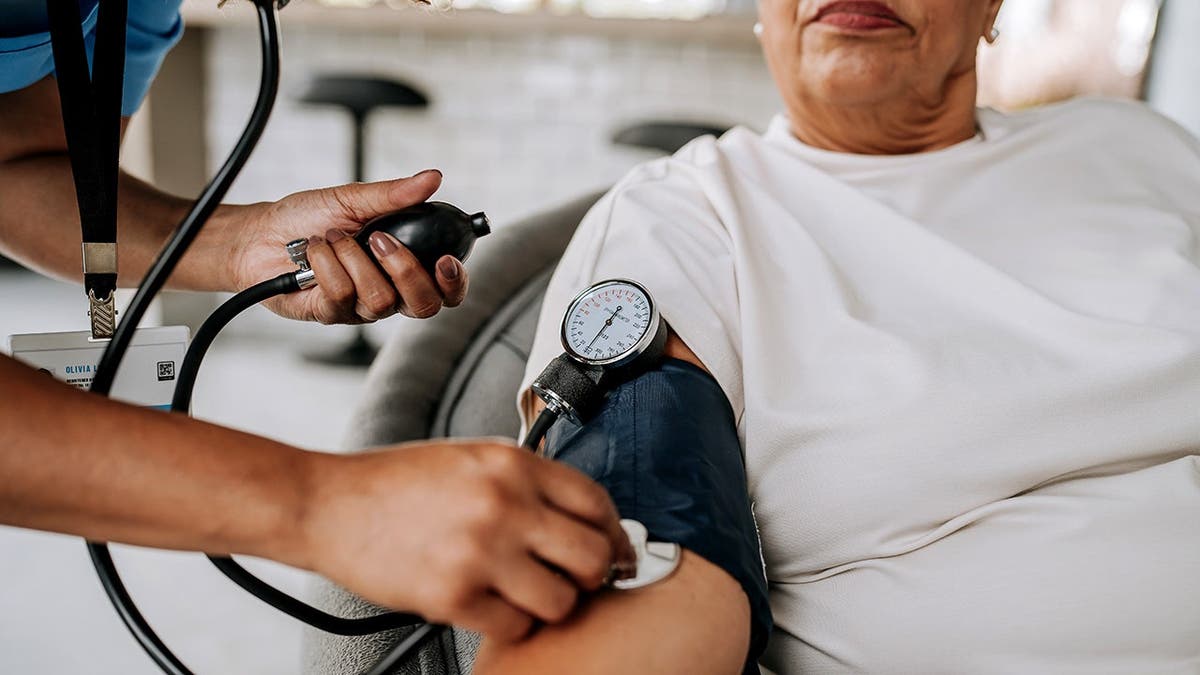
Recent research indicates a low-cost medication could benefit stroke survivors who still face high blood pressure despite ongoing treatment. The study, known as the REDUCE trial, examined the effects of spironolactone, often referred to as a water pill, in managing blood pressure following a stroke. The results were shared at the American Heart Association’s Scientific Sessions held from November 6-9, 2026, in Chicago.
The study participants were divided into two groups. One group incorporated spironolactone into their usual treatment plan, while the other continued with standard post-stroke care.
SIMPLE EXERCISE DONE JUST ONCE A WEEK COULD HELP LOWER BLOOD PRESSURE
Researchers monitored the blood pressure of participants at home over a six-month period to evaluate the impact of the medication.
After three months, the average systolic blood pressure was nearly eight points lower in the spironolactone group compared to those receiving standard care. The figures were about 126 versus 133, as noted in the study. The addition of spironolactone to regular post-stroke care resulted in more significant blood pressure reduction than usual treatment alone.
Additionally, more patients taking spironolactone met the recommended blood pressure target of below 130/80. This included 52% of those on the medication compared to 30% receiving standard care.
Dr. Jordana Cohen, co-lead author of the study and an associate professor of medicine and epidemiology at the University of Pennsylvania, remarked on the importance of lowering blood pressure to prevent further strokes. She stated, “When spironolactone was added to post-stroke care, we saw a meaningful drop in blood pressure that may lower the risk of future strokes and heart attacks.”
CLICK HERE FOR MORE HEALTH STORIES
Dr. Alfred Joshua, a California-based board-certified emergency physician, found the findings promising but emphasized the study does not confirm spironolactone prevents subsequent strokes. “We already know that controlling blood pressure lowers the risk of another stroke,” he said. “This study measured blood pressure, so whether adding spironolactone leads to fewer repeat strokes is still an open question.”
The U.S. National Library of Medicine explains that spironolactone assists in eliminating excess salt and water from the body, which can decrease blood pressure. However, it also leads to potassium retention, necessitating regular monitoring of potassium levels.
CLICK HERE TO SIGN UP FOR OUR HEALTH NEWSLETTER
Dr. Joshua cautioned that high potassium levels present a significant safety risk, as symptoms might not manifest. This risk is heightened for individuals dealing with kidney issues or those consuming certain medications or potassium supplements. Spironolactone can also lower blood pressure enough to cause dizziness.
“If your blood pressure remains elevated after a stroke, consult your clinician with your home readings and inquire whether this medication is appropriate for you,” Joshua advised.
Study limitations:
The trial concluded with 160 participants, short of the intended 200, and around 15% lacked blood pressure data at the three-month checkpoint. Individuals taking spironolactone also used slightly more blood pressure medications than those undergoing usual care.
The study did not aim to ascertain whether spironolactone prevents further strokes or heart attacks, highlighting the need for larger and longer-term studies to address this question.
CLICK HERE TO DOWNLOAD THE FOX NEWS APP
Fox News Digital contacted the researchers for comments. Kelly McGreal, a member of the lifestyle team at Fox News Digital, covers topics including travel, food, health, and relationships. She also organizes the weekly American Culture Quiz and other projects.