
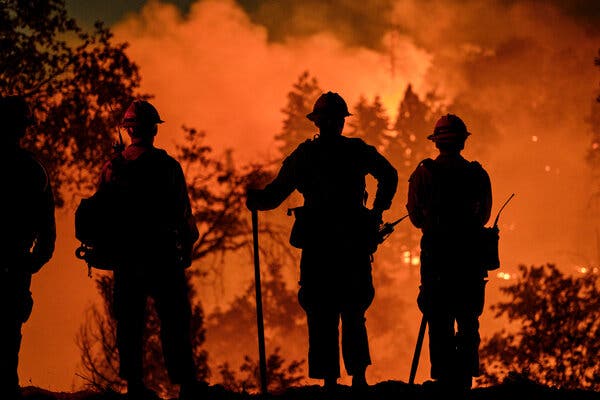
Wildfires can create harmful smoke levels near affected areas. Here’s how to protect yourself.
Check the Air Quality
The New York Times provides maps tracking air quality and wildfire smoke across the nation. Websites like AirNow.Gov and Fire.AirNow.Gov display the air quality index (AQI) for different regions. This information helps you decide how much time to spend outdoors.
AQI values over 100 indicate outdoor air may be unsafe for those at higher health risk. The CDC states that AQI levels between 151 and 200 might cause health effects, especially for vulnerable individuals. Levels exceeding 200 are considered “very unhealthy” for all. An AQI range of 301 to 500 signifies hazardous pollution levels, which are more likely to cause health issues.
Understand Your Risk
Wildfire smoke can worsen symptoms in people with respiratory conditions such as asthma and chronic obstructive pulmonary disease. If you have these conditions, exercise caution in smoky environments. According to the CDC, those with chronic conditions like diabetes, chronic kidney disease, and heart disease also face increased risks. Children and pregnant women may also be vulnerable.
However, anyone can experience the effects of wildfire smoke. Inhaling it can lead to coughing, wheezing, headaches, stinging eyes, scratchy throats, sinus irritation, chest pain, rapid heartbeats, and fatigue.