
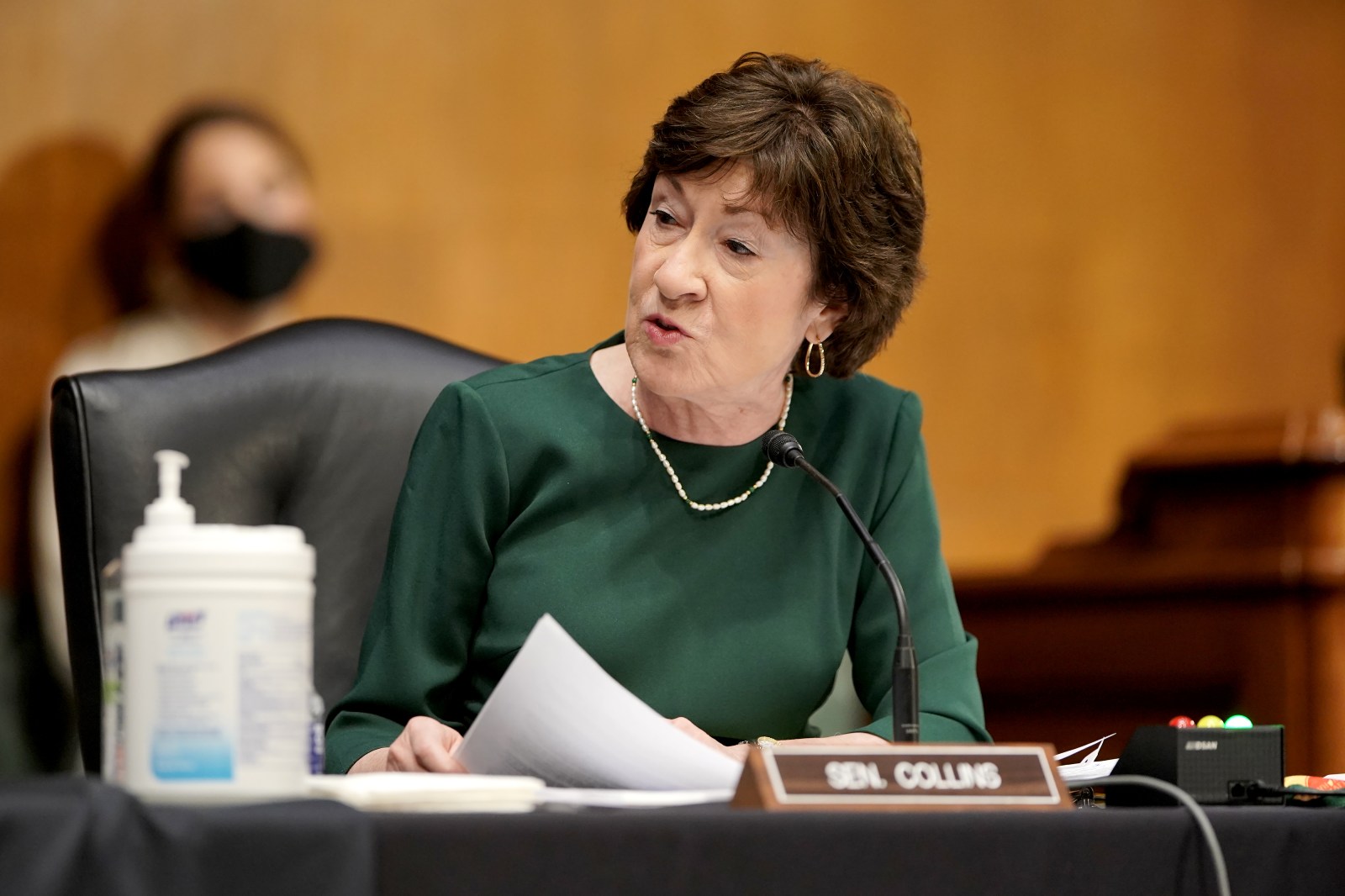
Collins Challenges Administration Over NIH Grants
Senator Susan Collins voiced concerns that the Trump administration might politicize federal health research funding. Her statement comes amidst a competitive reelection campaign, with recent polling indicating a close race against Democrat Troy Jackson. According to a CNN/SSRS poll, Jackson is slightly ahead with 48% compared to Collins’ 45%. Such tight competition marks Collins’ race as a toss-up by election forecasters.
The issue ignited following The Washington Post’s report about a proposed executive order from President Trump. This order suggests creating a commission to review NIH grants, potentially allowing political appointees to influence the distribution of nearly $50 billion in research funding. Concerns raised by White House budget chief Russell Vought centered on funding ‘woke’ initiatives, prompting further scrutiny.
Senator Collins’ Stance
Collins publicly criticized the proposal, stating that involvement of the Office of Management and Budget (OMB) in grant awards crosses a boundary. She emphasized that politicizing agency grant decisions contradicts congressional intent, warning that such actions would undermine scientifically verified processes.
Political oversight could compromise the evaluation system that the government has traditionally based on scientific need and merit. Collins stressed that this approach could divert resources from scientific merit towards political ideology.
The senator’s viewpoint resonates with bipartisan concerns, as legislators from both parties oppose expanding White House control over NIH grant decisions. Key figures, including Senate Appropriations Committee Vice Chair Patty Murray, joined the objection.
Background of the Grant Conflict
The controversy is not new. Collins’ opposition dates back months, notably beginning in July when she challenged aspects of a proposed government-wide grant-making rule. Her letter to Vought urged withdrawal of portions undermining research efforts and affecting small communities. A main point of contention was the potential for senior political appointees to review grants post-scientific evaluation.
Collins argued this could detract from merit-based research and introduce ideology-driven decisions. She highlighted risks such as federal agencies terminating discretionary grants based on shifting priorities, which could disrupt long-term studies and harm participants relying on clinical trials.
Her earlier warnings against political interference demonstrate her consistent stance against the proposed executive order.
Oval Office Dispute Intensifies
A tense Oval Office meeting reportedly involved Trump, Vought, and NIH Director Jay Bhattacharya, addressing the issue of funding projects conflicting with administration goals. The NIH Director defended existing review processes amid proposals for enhanced oversight.
NIH spokesman Joshua Pradko maintained the agency’s commitment to biomedical funding, stating that funds would be utilized as appropriated by Congress. Drafts of an order proposing committee oversight surfaced, revealing ongoing friction between OMB and NIH.
Recent congressional actions blocked OMB’s proposed rule through December, but Collins reiterated her opposition to similar executive efforts.
Bipartisan Criticism Emerges
Lawmakers criticized the proposal. Murray emphasized NIH expertise in funding decisions, warning against influence from political appointees that could jeopardize medical studies. She accused Trump of politically motivated funding, urging Republican resistance to any such tactics.
The catalyst for NIH’s funding dilemma coincides with Collins’ challenging political climate, evidenced by polling data indicating a tight race.
The CNN/SSRS survey reflected Collins’ 51% unfavorable rating, with Jackson slightly behind in favorability. That survey revealed a significant disapproval of Trump by Mainers, suggesting broader implications for Collins’ campaign.
Despite the hurdles, historical resilience in elections suggests potential strength for Collins in overcoming polling deficits, as seen in her 2020 reelection victory.