
Background
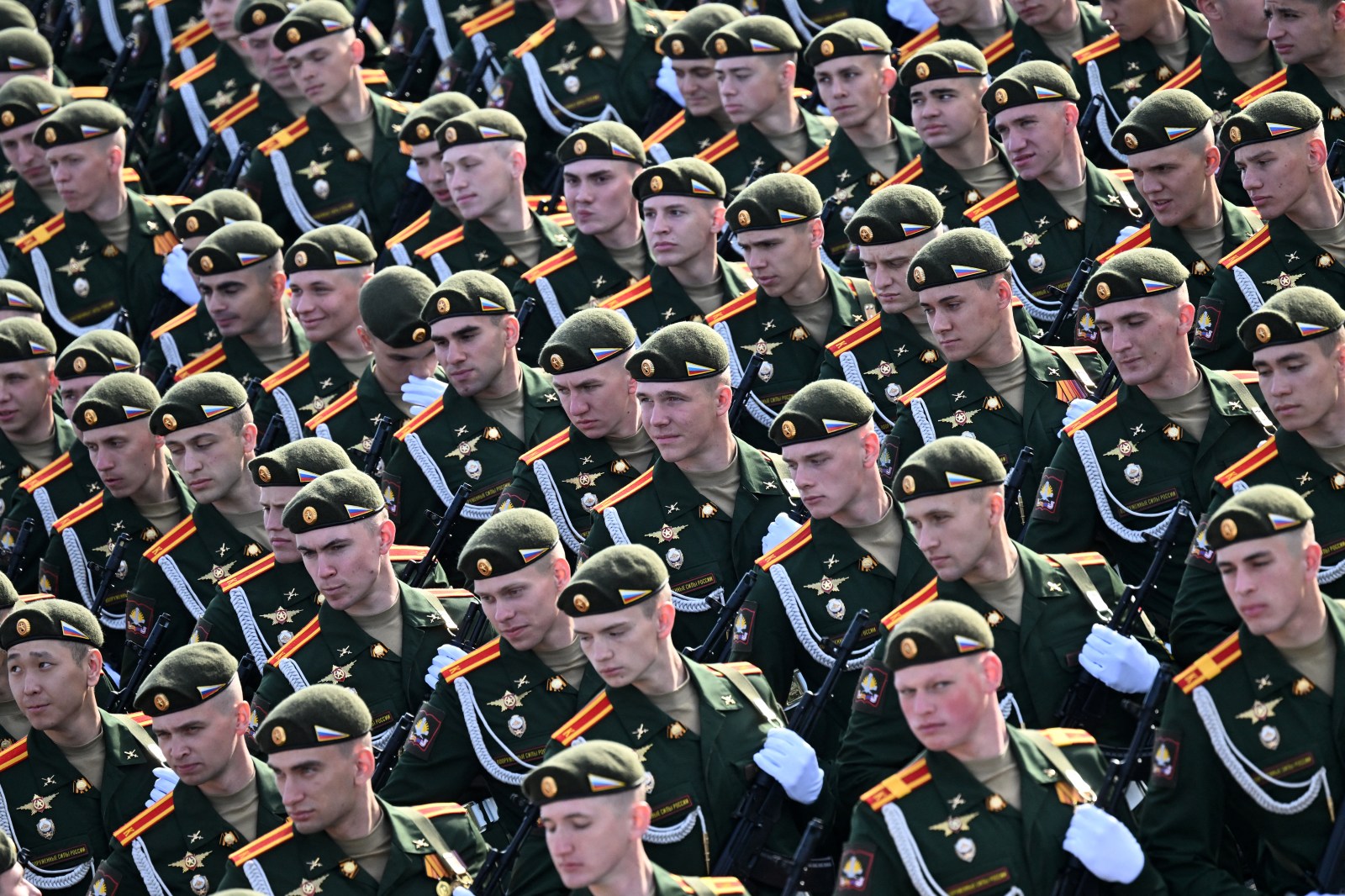
In September 2022, Russian President Vladimir Putin announced a partial mobilization for the invasion of Ukraine. This mobilization was not officially revoked but managed in silence to prevent panic. New reports suggest Putin may initiate a draft of 500,000 soldiers, introducing a new aspect to the ongoing war.
Strategies for Drafting Troops
The Kremlin is considering several strategies to enlist troops. These include imposing martial law and enhancing population restrictions, as per Russian opposition news outlet Verstka. Ukrainian President Volodymyr Zelensky has indicated that between 300,000 and 500,000 soldiers might be recruited following Russia’s parliamentary elections in September. This signals Putin’s determination to pursue the war relentlessly.
According to John Hardie, deputy director of the Russia Program at the Foundation for Defense of Democracies (FDD), further mobilization could extend the war. However, it is unlikely to change its outcome fundamentally. For Ukraine and its allies, this large-scale draft poses a significant strategic threat.
Strategic Implications
Yuriy Boyechko, CEO of Hope for Ukraine, noted that the sheer number of troops would enable Russia to sustain a lengthy war of attrition. This approach would absorb heavy frontline losses and strengthen defensive positions against possible counteroffensives.
Former Russian President Dmitri Medvedev has denied imminent mobilization claims, citing 200,000 volunteer contracts signed in the first half of the year. Nonetheless, the likelihood of a draft continues to be a concern.
Putin’s Political Strategy
Russia’s parliamentary elections, scheduled for September 18-20, will likely favor the ruling United Russia party. Putin plans to leverage electoral outcomes to endorse militarizing society for a long-term war effort.
Rumors have been rife throughout the summer about a potential post-election draft, as the Kremlin seeks to replace casualties. Zelensky pointed out significant losses, including 225,500 casualties this year, of which 131,000 were fatalities.
Hardie remarked that if Putin opts for another mobilization, it would indicate an acknowledgment that the war is on a losing path, but with a decision to intensify rather than moderate demands. Such a move would entail substantial costs and risks, possibly inciting domestic unrest and leading to another mass migration of Russians.
Logistical Challenges for Russia
Putin has implemented policies to facilitate future troop mobilization. These include modifying the Russian military conscription system to operate annually instead of every six months, thereby simplifying the process.
The mobilization system is now digitized, enabling comprehensive tracking of individuals’ movements and thorough monitoring of military registration records.
Additional legislative changes signed by Putin in July 2025 have expanded authorities’ access to information concerning Russian military personnel and their families, potentially reducing processing times.
Despite these measures, Hardie pointed out that Russia faces difficulties in finding sufficient equipment and officers to form additional units. The decline in force quality due to heavy casualties limits Russia’s ability to plan and execute large-scale offensive operations.
Ukraine’s Perspective
Giorgi Revishvili, a defense analyst, highlighted that mobilization remains essential for Russia’s establishment of new formations. Without it, creating large strike forces capable of major offensive operations is unlikely.
The scale of Russia’s mobilization and rapid integration of newly drafted personnel into combat units will significantly impact Ukraine. Nevertheless, challenges in training, equipping, and commanding a large intake may lead to high casualties rather than swift breakthroughs.
Denials from Russia regarding mobilization rumors, with Medvedev dismissing them as enemy deceit, persist. Yet the decision for a draft reportedly hinges on Putin’s assessment of the battlefield situation.
Challenges for Russian Society
Opposition activist Mikhail Khodorkovsky expressed concern about sending recruits to the front with inadequate training. He indicated this approach would not alter strategic outcomes; rather, it would increase casualty rates.
Mobilization could necessitate stricter exit controls to retain skilled workers within Russia. Russians will face choices between compliance, escape, or refusal. However, current prison capacities may not accommodate mass draft refusals for extended periods.
Ukraine’s Tactical Adjustments
Boyechko pointed out that although mass conscription does not guarantee significant territorial gains for Russia, it necessitates substantial resources from Ukraine. This reliance on continuous Western support, such as precision artillery, drone technology, and air defense, becomes more crucial to counterbalance Russia’s increased manpower.