
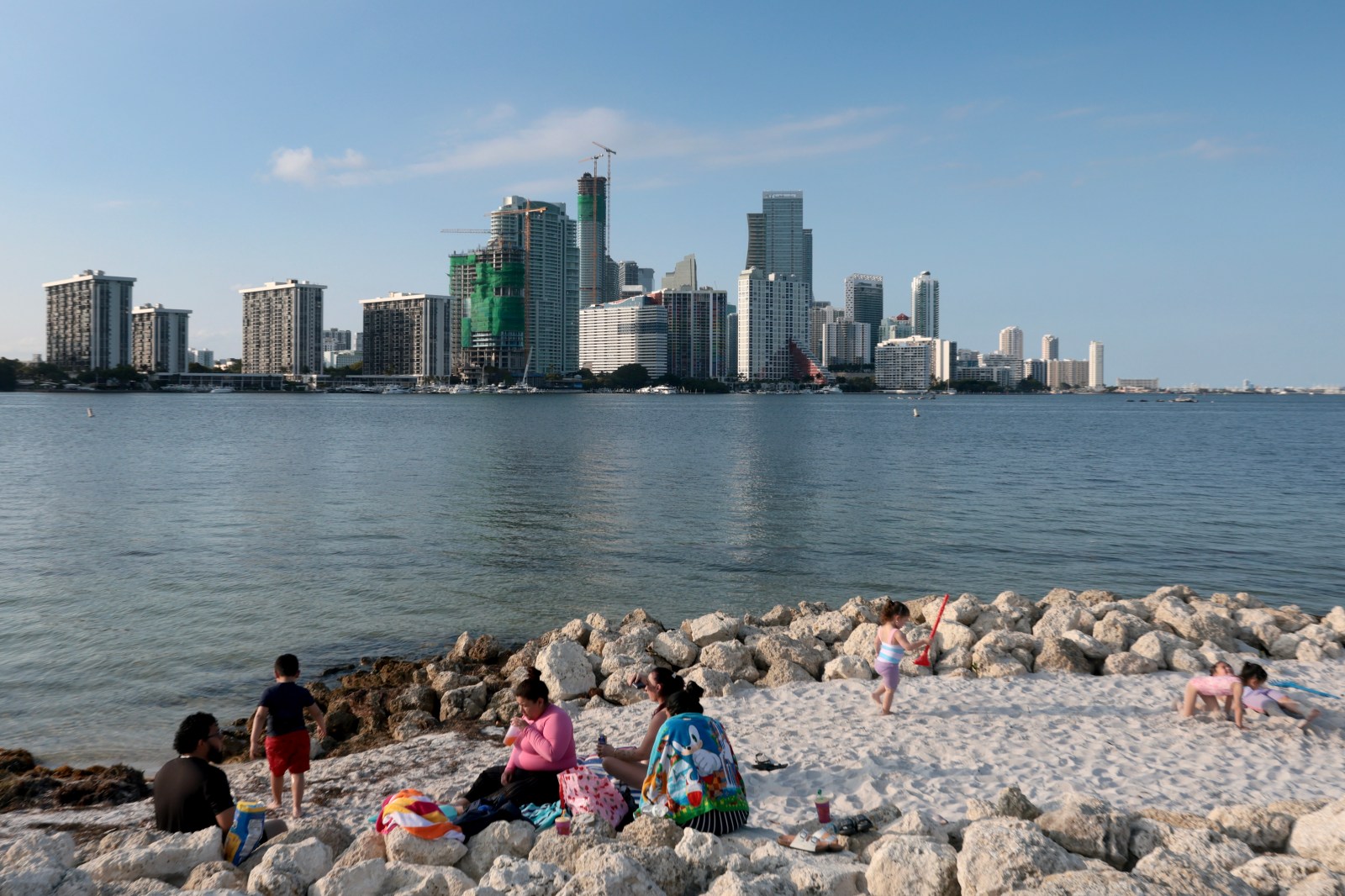
Despite rising U.S. home prices reaching an all-time high in June, a few regions are seeing a boost in buyer power. Miami, Florida, serves as a prime example, with data from real estate brokerage Redfin showing nearly 140 percent more sellers than buyers in June. This positions Miami as the strongest buyer’s market in the nation, where buyers can negotiate lower prices due to an excess in supply.
Nationally, there are 48.5 percent more sellers than buyers, with the U.S. housing market technically considering a market with over 10 percent more sellers as favorable to buyers. However, high borrowing costs, like the average 30-year fixed-rate mortgage nearing 6.5 percent, reduce some buyers’ ability to capitalize on this advantage.
Few U.S. markets permit significant negotiation power for all buyers. Yet, in Miami and other Southern markets, the imbalance between sellers and buyers allows some flexibility in negotiations.
From Pandemic Boomtowns to Buyer’s Markets
Approximately 70 percent of the U.S. housing markets analyzed by Redfin, spanning 33 out of 47 metropolitan areas, currently favor buyers. Notably, many of these areas, including Miami and Austin, experienced a demand surge during the pandemic. They are now cooling down as high mortgage rates and shifts in work patterns reduce the buying frenzy.
The top 10 buyer’s markets in June, with sellers significantly outnumbering buyers, were:
- Miami, FL: 139.7 percent
- Nashville, TN: 128.8 percent
- Houston, TX: 123.8 percent
- San Antonio, TX: 117.4 percent
- Austin, TX: 101.3 percent
- Orlando, FL: 98.3 percent
- Dallas, TX: 95.8 percent
- Phoenix, AZ: 94.2 percent
- Las Vegas, NV: 92.8 percent
- West Palm Beach, FL: 86.3 percent
These cities, linked to significant demand surges during the pandemic, have seen a price correction due to increased inventory and changing demographics.
Challenges in Capitalizing on Buyer’s Market Benefits
The presence of a buyer’s market in Miami highlights reasons current advantages don’t directly increase sales. The median home price remains high at $652,110 in May. Additionally, high home insurance premiums and rising homeowners association fees further complicate the market for buyers.
In Nashville, Houston, San Antonio, and Austin, the imbalance stems from new construction combined with declining demand. Despite this, home prices in these areas have also increased since 2019. The median sale price in May stood at $474,716 in Nashville and $349,791 in Houston.
The bigger hurdle remains affordability, according to Asad Khan, a senior economist at Redfin. While few bidding wars exist, opportunities for price negotiation have increased. Sellers are more willing to compromise amid persistent buyer’s market conditions.