
In 1926, six young women posed in dark swimming suits in an empty pool in Richmond. The San Francisco Chronicle captioned their photo, “Where Mermaids Will Sport.” This was the opening of a new municipal indoor swimming pool in Richmond, a growing town then. A front-page feature in the Chronicle noted that the pool mixed beauty with practicality, highlighting its importance to the community.
The Richmond Municipal Natatorium, known as the Plunge, celebrates its 100th anniversary this year, alongside other icons like Route 66 and Winnie-the-Pooh. Richmond, a city of 115,000, plans a celebration to honor the Plunge, signifying its place in the city’s history.
“Many families have a personal connection to the pool,” said Robby Roller, the aquatic supervisor of Richmond. “It’s common to hear that grandparents, parents, and now their children learn to swim here.”
The Early Era of Indoor Pools
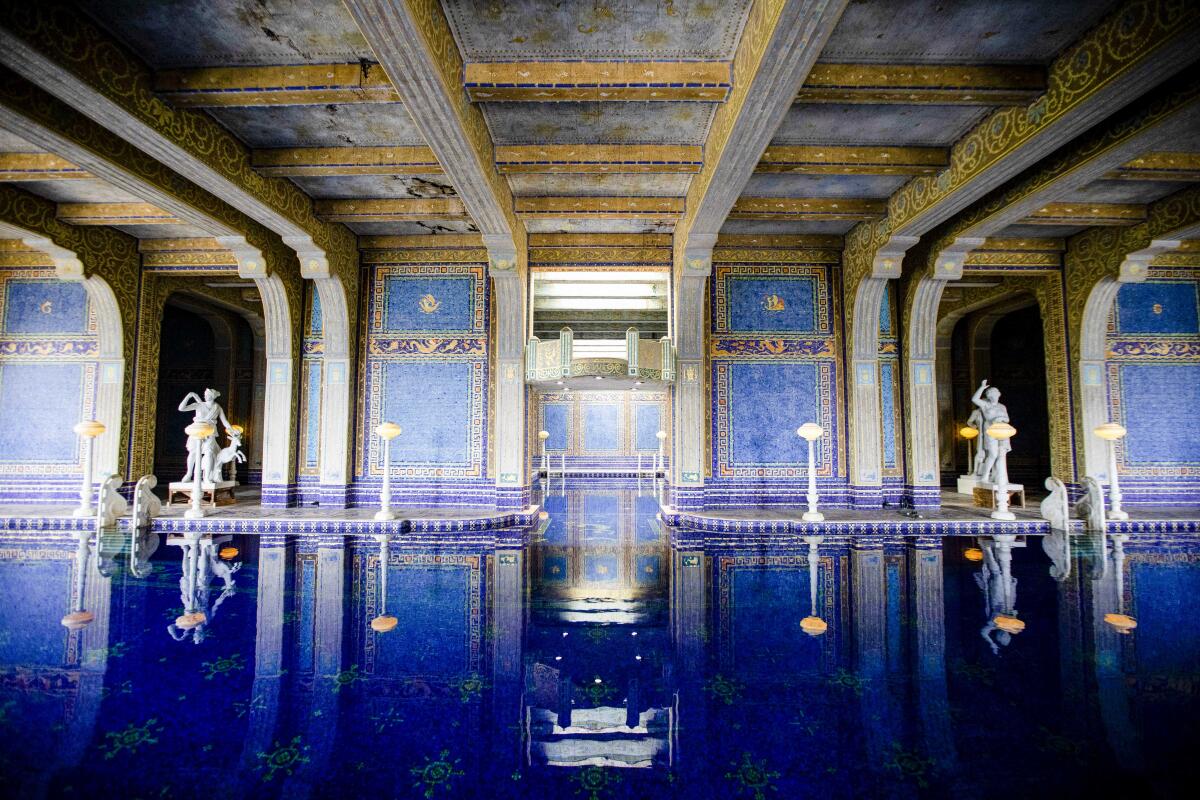
Indoor swimming pools were a novelty in the 1920s. At that time, exceptions included venues like the Roman Pool at Hearst Castle, under construction in 1927, and the White House pool built in 1933 for President Roosevelt’s therapy exercises.
The Richmond Municipal Natatorium opened in March 1926 with a grand ceremony. The mayor gave a speech, and the festivities included a parade and swim stunts. The pool construction was funded by the community, costing over $100,000 then, equivalent to more than $1.8 million today.
A Salt Water Beginning
The Plunge’s history began with an accidental well of fresh water discovered by a local landowner trying to drill for oil. The city used this water to create a pool modeled after the Sutro Baths in San Francisco. Initially, the pool combined saltwater from San Francisco Bay with fresh well water, though changes over time have altered its composition.
“Though no longer a saltwater pool, the Plunge still retains some of its original elements,” Roller explained. Corrosion has led to modifications, but a salt component remains as part of a chlorine base today.
A Survivor Through Time
The Richmond Plunge faced significant challenges over the years, including damage from the 1989 Loma Prieta earthquake. By the late 1990s, it was nearly demolished due to funding issues. However, community protests and the efforts of the Richmond Friends of Recreation led to a successful restoration in 2010. The rehabilitation was a $7 million venture funded by a private-public partnership.
This August, the city marks the pool’s centennial with dedication events, speeches, and demonstrations. Entry that day will be priced at $1 per family, signaling its continuing role as a communal space.