
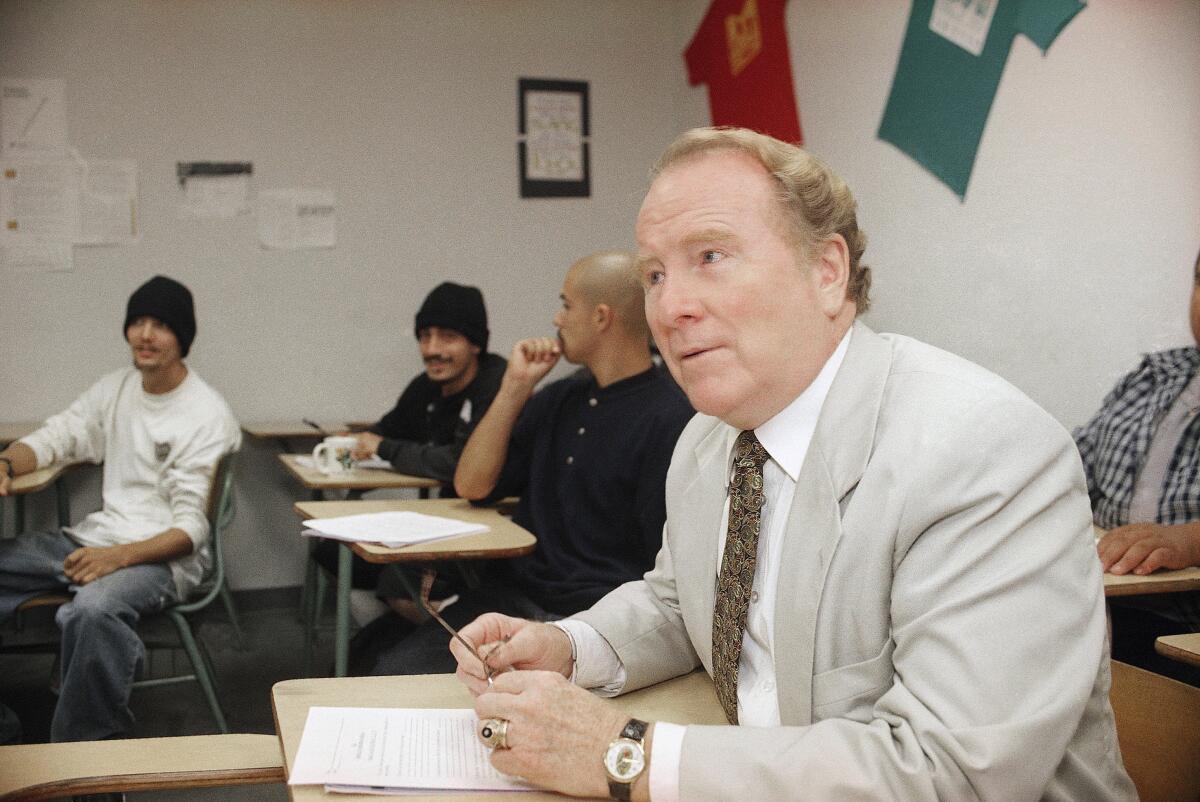
Thirty years ago, Republican politician Bob Dornan cried foul play after losing a close race. Orange County Representative Dornan couldn’t accept the reasons for his defeat to Loretta Sanchez. Voters had grown weary of his divisive politics. His Latino-majority district wanted representation that aligned with their interests. Dornan, an ideologue, failed to deliver tangible benefits to his constituents.
Instead, Dornan and his backers blamed undocumented immigrants. California was passing laws against immigrants, making Dornan’s claims of nonprofit groups registering noncitizens plausible to some Republicans. Congress investigated these allegations, while local officials proposed voter ID laws echoing past voter suppression tactics.
The investigation concluded in 1998. Though some noncitizens voted, they were less than 1% of the total, not affecting the outcome. No one faced charges for illegal voting. When Dornan ran again in 1998, Sanchez defeated him decisively.
This episode serves as a case study in political blame-shifting. Dornan influence persists; the idea of illegal immigrants influencing elections now holds sway among many Republicans.
Recently, Former President Trump echoed similar claims after his loss to Joe Biden. His speech intertwined debunked conspiracy theories, including noncitizen voters. Despite the lack of evidence, Trump pushed for laws requiring proof of citizenship before voting. Similar proposals emerged in California, with figures like Carl DeMaio and Tony Strickland supporting comparable measures.
By law, only citizens can vote in federal elections. Still, Trump claimed thousands of noncitizens were registered to vote. Such allegations persisted despite scant evidence. It resembles past dog whistles about demographic changes affecting election outcomes.
Trump continued to question California’s vote-counting efficiency, despite no evidence of fraud. In reality, more representation from Latino GOP legislators showed success when Republicans engaged with Latino voters instead of targeting them.
Though Trump increased his share of the Latino vote in 2024 by focusing on broad concerns, his rhetoric on noncitizen voting proved divisive. Yet, the political landscape shifted, hinting at deeper issues for the Republican Party.
Near the end of his speech, Trump suggested that only those intending to cheat would oppose voter ID. This sentiment reflects a persistence in questioning the legitimacy of election outcomes.