
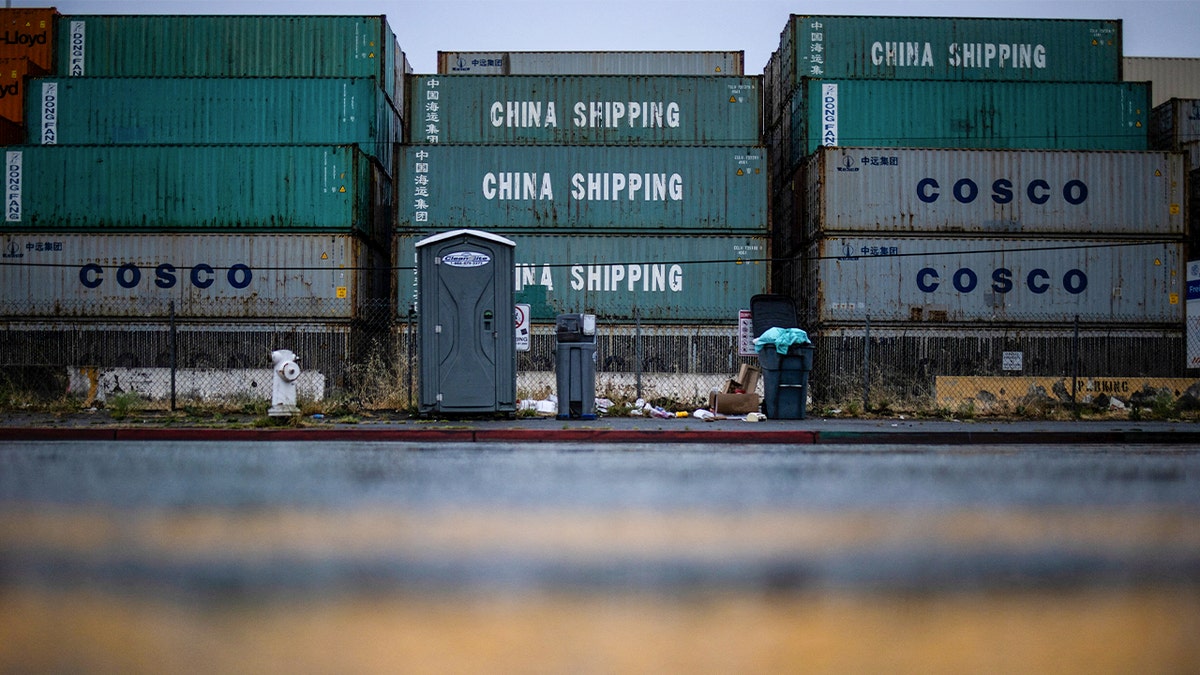
In December 2001, China became a member of the World Trade Organization (WTO), marking its entrance into the global economy. This move followed the United States granting China permanent normal trading relations status, a privilege typically reserved for allies such as Great Britain and Israel. As one of the senators who supported this decision, I now reflect on it as a regretful part of my 14-year tenure in the Senate.
Since 2001, China has emerged as both an economic and military power. Allegations of human rights violations, including those against Uyghurs and Tibetans, have marked its rise. There are reports of China forming alliances with authoritarian regimes and increasing its nuclear capabilities alongside an expanding naval fleet.
The decision to incorporate China into the WTO was a strategic error.
Initially, the U.S. believed that engaging China with global trade would foster political openness. This assumption has proven incorrect. The anticipated shift toward freedom never materialized, revealing the need to reconsider China’s trading privileges.
The current geopolitical environment is reminiscent of a new Cold War. Historical precedent shows the United States never extended similar trade statuses to the Soviet Union during the previous Cold War. The rationale was clear—a communist dictatorship conflicted with capitalist democracy.
China presents itself as non-threatening, yet its actions suggest aspirations of global dominance. This contradicts their claimed intentions and calls into question their commitment to international norms.
Denying the Soviet Union economic access effectively hindered its military ambitions. In contrast, current policies allow China to bolster its might through economic interactions with the West.
The solution lies in conditioning trade on adherence to human rights.
A new proposition should be made to the Chinese Communist Party: Grant religious freedom and basic human rights to your citizens, or Western economies will begin to sever ties. Such a stance mirrors the goals envisioned in the initial trade agreement, aiming for enhanced freedom for the Chinese populace.
Failure to comply would enable the U.S. and its allies to justify economic disengagement, highlighting the moral imperative of not supporting an oppressive regime. This stand offers hope for change, prompting potential internal debate within China regarding reforms.
Democracies possess the unique ability to rectify past mistakes. Twenty-five years later, it is imperative to correct the initial miscalculation in handling China’s global trade role.
Sam Brownback served as ambassador at large for International Religious Freedom (2018–21) and is co-chair of the International Religious Freedom Summit.