
The latest election results have brought several key developments across the United States.
Election Results and Propositions
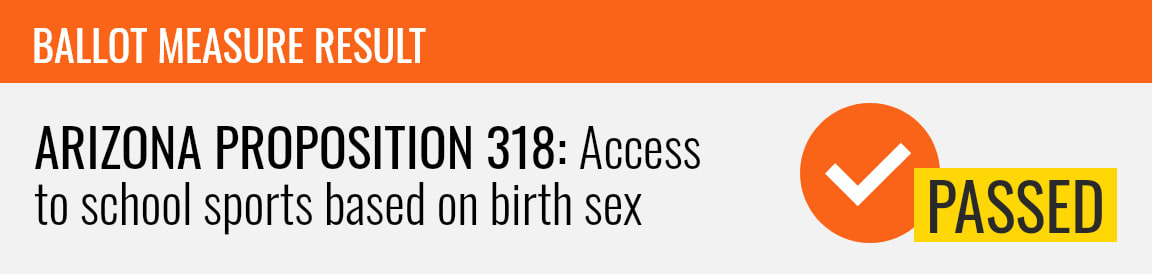
Arizona voters have approved Proposition 318, which bases access to school sports on birth sex. Nevada also saw voter approval for both Question 7, requiring voter ID, and Question 6, concerning the right to abortion.
In Massachusetts, Question 3, related to top-two primary elections, was rejected by voters. Similarly, Idaho voters turned down Proposition 1 concerning abortion and reproductive rights. In South Dakota, Amendment I, addressing Medicaid expansion and federal funding, was not passed.
Democratic and Republican Wins
Jon Rosenthal, a Democrat, has won the Texas railroad commissioner race, defeating Republican Bo French. This adds to a night of significant gains for Democrats, despite a general negative perception of the party as revealed by exit polls. Voters view the Republican Party even less favorably, with a net negative of 18 points compared to the Democratic Party’s 6 points.
Vikki Goodwin has won the lieutenant governor race in Texas, while Nathan Johnson has been voted in as the Texas attorney general. Meanwhile, in Nebraska, Republican Pete Ricketts secured re-election for the Senate seat he holds. Jim Pillen has also been re-elected as governor in Nebraska.
Noteworthy Concessions and Support Trends
In Ohio, Rep. Marcy Kaptur secured re-election despite a Republican-led redistricting. Alaska’s Senate race remains too early to call, with both Democrat Mary Peltola and Republican Dan S. Sullivan addressing supporters. Exit polls in Michigan showed significant support for Democrat Abdul El-Sayed from Muslim, Black, and LGBTQ voters, further highlighting key voter demographics.
Moreover, the Make America Healthy Again movement showed divisions over Trump’s impact on health, emphasizing the varied voter response to party policies.
Implications for Future Political Strategy
Going forward, these election results emphasize significant public opinions and the challenges both parties face as they strategize for 2028 and beyond. Democrats must navigate their gains with an understanding of the negative perceptions that persist, while Republicans confront their image challenges.