
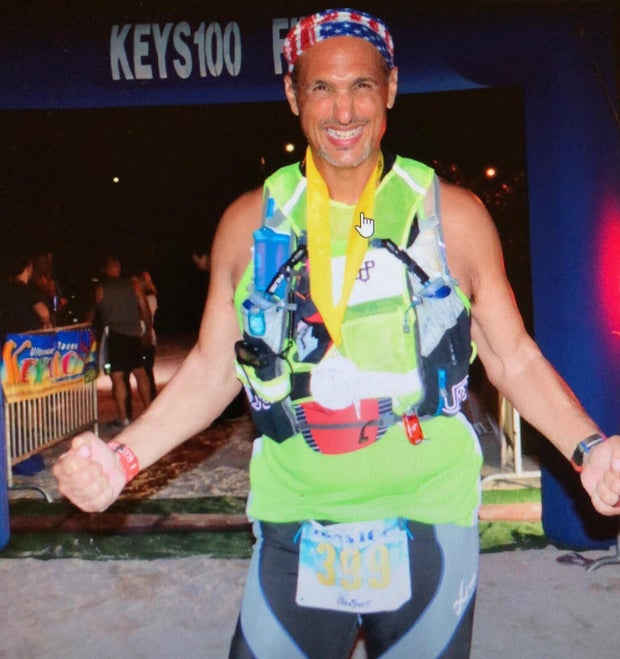
Todd Meiklejohn, a dedicated teacher in adult education, began his day on August 8, 2025, like any other. Rising at six in the morning, he prepared for an early meeting. His wife, a nurse, had already left for the gym. As he went through his morning routine, a sudden, crushing pain struck him, leaving his memory unclear. He found himself unable to see from one eye or move his right side. Despite remaining conscious, he was confused and frightened.
Meiklejohn attempted to stand up but kept collapsing. As an athlete and cyclist, this newfound weakness was alarming for him. He described falling repeatedly due to the lack of strength.
I just kept falling,he said.I just didn’t have enough strength.
Approximately 45 minutes after Meiklejohn’s fall, his wife found him on the floor and immediately called 911. He was transported to the Miami Neuroscience Institute at Baptist Health, where doctors identified he was having a massive stroke.
Importance of Quick Stroke Response
Dr. Guilherme Dabus, the interventional neuroradiologist who treated Meiklejohn, emphasized that in stroke cases, time is brain. Blood flow to the brain, once interrupted, must be restored swiftly to prevent permanent damage. The medical team decided to perform a mechanical thrombectomy, which involves using a catheter to remove a clot. This restores normal blood flow and can significantly reduce brain damage.
Meiklejohn underwent the procedure just 38 minutes after the 911 call. Because of the quick intervention, he experienced minimal permanent damage. He regained the ability to speak and move his right side shortly afterward. Remarkably, he was discharged less than 48 hours later.
I’m one of the lucky patients to say I’m blessed, that I was able to walk out and tell this story,Meiklejohn remarked.
Unexpected Heart Condition
Following the immediate crisis, doctors aimed to determine the cause of the severe stroke. Despite being in his mid-50s and having excellent health, Meiklejohn’s condition demanded further investigation. Initially, doctors suspected a clot traveling from his leg to the brain, but his medical history ruled this out. Attention shifted to his heart, leading to the discovery of a patent foramen ovale (PFO), a small heart defect.
PFO, a condition present in 20 to 30 percent of adults, often has no impact on a person’s health. However, Dr. Eihab Ghantous explained that in rare cases, a clot could travel through the PFO and cause a stroke.
Successful Recovery and Raising Awareness
After identifying the PFO as the cause, Meiklejohn underwent a minor procedure to close the gap in his heart. Dr. Dabus confirmed the procedure was successful, significantly reducing the likelihood of another stroke.
In the year following his stroke, Meiklejohn focused on recovery, regaining endurance and muscle tone. He returned to work four weeks post-surgery and completed a 100-mile bike ride two months later. Despite scars on his legs, he monitors his heart closely to prevent future complications.
Grateful for his wife’s timely return that morning, Meiklejohn aims to raise awareness about the importance of quick stroke treatment. He stressed the importance of rapid response for potential stroke patients and their families.
Until it happens to you, you have no idea,Meiklejohn said, urging others to understand the crucial nature of immediate medical attention.