
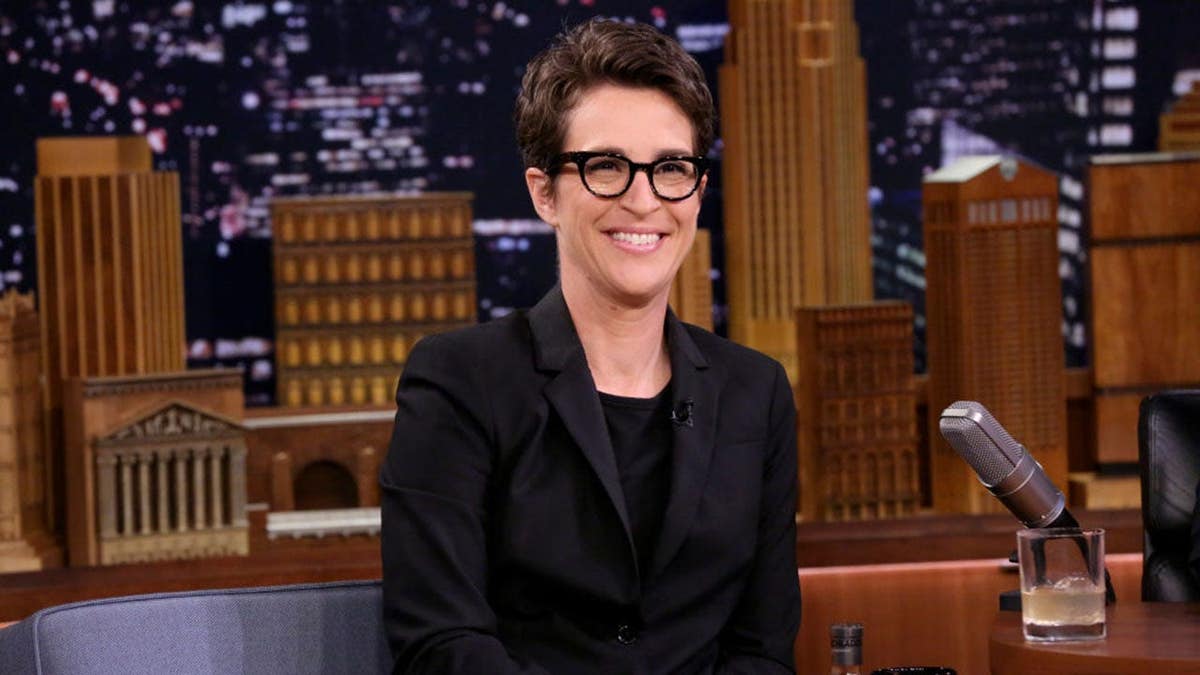
MS Now host Rachel Maddow recently shared her views on the trans sports debate, describing it as a contrived issue. On the “Pablo Torre Finds Out” podcast, she expressed concerns over what she sees as a political campaign aimed at vilifying trans people.
Maddow argues that the focus on trans athletes is part of a political initiative to target a small minority. She likens this strategy to authoritarian movements in politics, noting its profound impact on trans individuals. According to Maddow, the debate is a fabricated problem that affects a negligible portion of the population. Yet it is used to reorganize government priorities without providing solutions, serving instead as a recurring political distraction.
Despite Maddow’s claims, public opinion appears divided. For example, during the 2026 midterms, states like Washington and Colorado passed laws requiring transgender athletes to compete according to their birth sex. Gallup polling indicates that 78% of voters oppose allowing transgender women to compete in female sports. This sentiment is shared by some Democrats, indicating a political challenge for those defending the inclusion of transgender athletes.
There are practical concerns about how this issue intersects with others affecting voters’ daily lives. Rising fuel and grocery prices are more pressing for many, yet the topic of trans sports still holds significance for some. Polls suggest voters wish to address these bans, partly due to worries about future implications for their families.
Maddow’s assertion that this debate lacks real-life relevance faces criticism. For many, the potential for trans athletes in sports affects considerations about fairness and safety in athletics. Parents, particularly, do not want to wait for direct consequences before voicing concerns.
Some argue Maddow’s dismissal of these concerns as a fantasy overlooks the real anxieties voters feel. The conversation continues as society seeks a balance between inclusion and fairness in athletics.