
Managing heat indoors is increasingly crucial as heatwaves grow fiercer. Recent months have seen millions across the US under extreme heat warnings. Some events have reached levels not experienced in a century. In the Northeast, temperatures have soared into triple digits. Experts caution that a ‘super El Niño’ might make future summers even more challenging. The National Weather Service advises staying indoors during peak heat to avoid health risks, especially for older adults, children, and those without air conditioning.
Block the Sun
The simplest approach to keeping your home cooler is to block sunlight. As sunlight floods through windows, indoor temperatures climb quickly. Matt Plouffe, an engineering consultant at Efficiency Vermont, emphasizes, ‘Summer sun delivers heat right through your windows.’ Closing blinds or curtains during the hottest parts of the day can help reduce this effect significantly.
Adjust Your Routine
Heat-generating appliances like ovens, dishwashers, and dryers should be used later. Plouffe advises avoiding cooking practices that warm up your home. Consider grilling outside or preparing meals that do not require heating. At night, open windows to utilize cooler outdoor temperatures. Creating a cross-breeze is beneficial. Plouffe notes, ‘Take advantage of cooler summer evenings and open windows for a cross-breeze.’ Ensure windows are closed again in the morning.
Optimize Fan Use
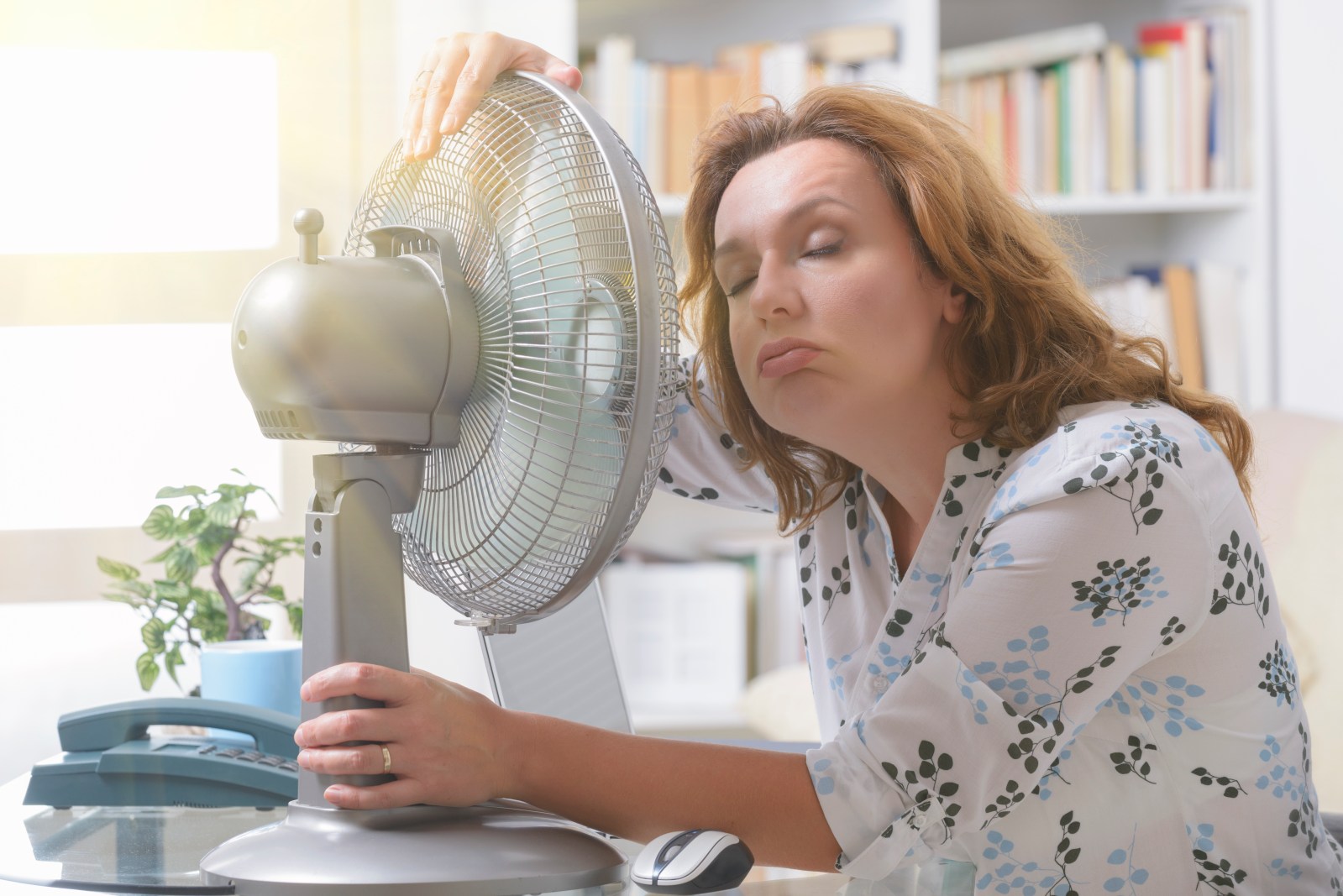
Fans circulate air, providing relief when used correctly. Point them directly at yourself, or use them at night near windows to draw in cooler air. Ceiling fans should rotate counterclockwise to push air down. This aids in maintaining a comfortable environment.
Small Interior Adjustments
Swap heavy fabrics for breathable ones like linen and cotton. Lenka Ilic, principal architect at Apartment Renovation NYC, endorses natural fibers for their cooling effect. Removing rugs can prevent heat retention at floor level. Focus cooling efforts on occupied rooms, and consider using naturally cooler spaces. Austin Kilgore, a consumer finance expert, suggests resting in a basement if available.
Explore Bigger Changes
Consider thermal blinds to reduce temperatures slightly. Observing sunlight patterns aids proactive cooling strategies. Kilgore mentions, ‘Opening and closing can prevent sun from heating areas.’ For more investment, look into external shading such as overhangs or shutters. Ilic highlights these as effective at blocking heat at its source. Proper ventilation design is also key. ‘Warm air rises, exits at high level, drawing cool air in at low level,’ Ilic explains. Use high and low windows respectively for optimized airflow.
Material Considerations
Interior materials impact temperature. Stone, tile, or concrete absorb heat by day and release it at night, stabilizing temperatures. Lighter wall colors reflect heat, enhancing comfort. A cumulative approach integrating these strategies offers the best chance at creating a comfortable indoor environment during extreme heat events. ‘Cooling is cumulative; no single decision transforms a house,’ says Ilic. Combining these practical steps helps mitigate reliance on air conditioning.