
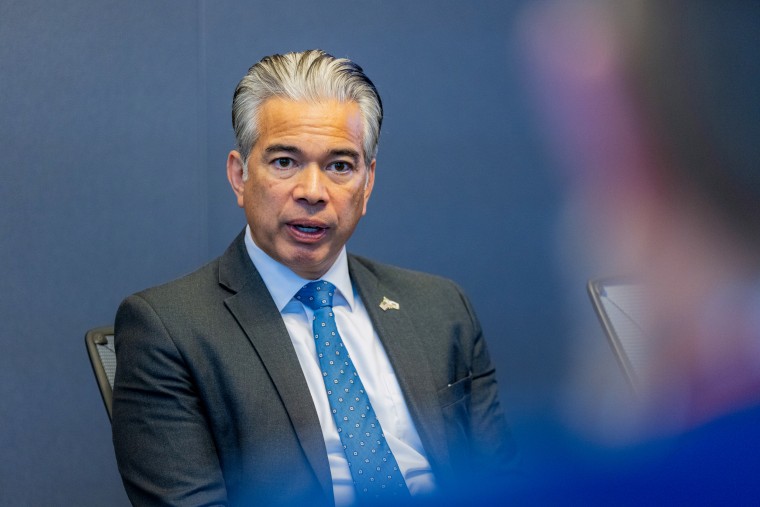
The planned acquisition of Warner Bros. Discovery by Paramount Skydance CEO David Ellison has hit a significant roadblock. Though the U.S. Department of Justice cleared the $110 billion deal, California’s Attorney General Rob Bonta emphasized the merger is still under scrutiny. Bonta stated that the deal is “not a done deal” and is subject to investigation by his office.
State attorneys general, including New York Attorney General Letitia James, are also examining the merger. They might pursue antitrust lawsuits to challenge the transaction, invoking state and federal anti-monopoly laws. Scott Wagner, co-head of antitrust practice at Bilzin Sumberg, explained that state attorneys general can independently contest mergers when federal entities do not.
The merger aims to integrate two historical film studios, streaming services, and broadcasting assets under Ellison, aligning CBS News with CNN. This consolidation has sparked concern among industry professionals over diminished competition and potential job losses. An open letter signed by over 5,500 industry figures, including celebrities like JJ Abrams and Bryan Cranston, opposed the merger.
Advocacy groups like Free Press echoed these concerns, urging state action against potential corporate consolidation. Despite this, the Justice Department noted the merger would not likely harm competition or consumers. Paramount has reaffirmed the merger’s benefits, emphasizing increased competitiveness in a rapidly evolving industry.
“This deal is pro-competitive, resulting in a stronger company better positioned to compete against dominant technology platforms,” said Paramount. The company plans to produce 30 films annually in theaters to enhance industry participation and diversity.
Paramount anticipates legal challenges, having retained notable litigator Jeffrey Kessler. He argues the merger is “necessary” to enhance competition across streaming services and theater distribution. Scott Wagner mentioned that beyond litigation, attorneys general could delay the deal through extensive information requests and legal reviews.
Both California and New York have previously successfully challenged monopolistic behavior. Recently, states achieved a legal victory against Live Nation and Ticketmaster for unlawful market dominance. These same states are opposing another merger involving local broadcasters Nexstar and Tegna.
International regulators are also scrutinizing the deal, with the European Union and United Kingdom probing its implications. Paramount is keen to finalize the agreement swiftly, facing a potential multi-million dollar penalty should the deal extend past September 30.