
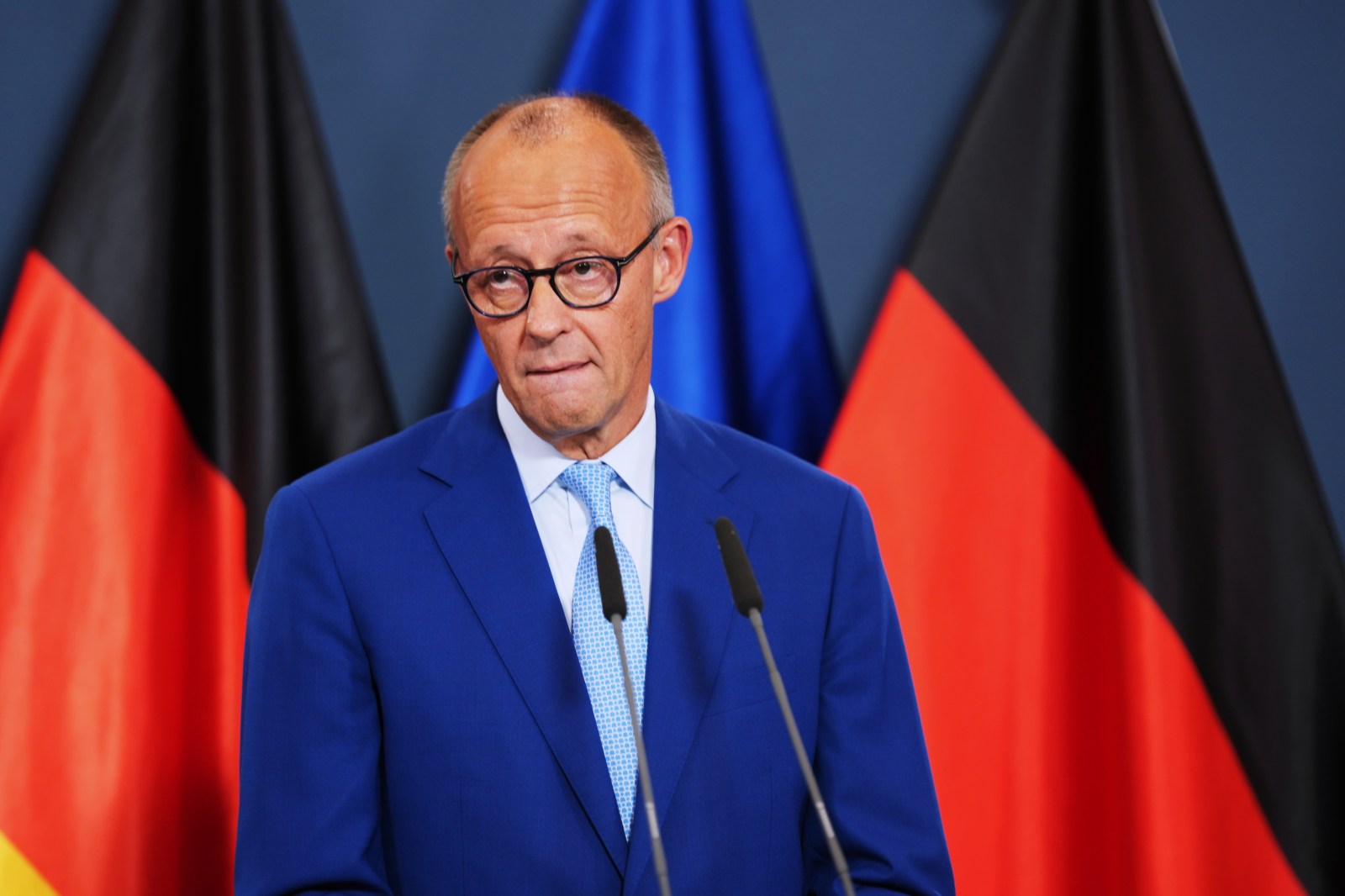
German Chancellor Friedrich Merz has pledged to stay in office following another electoral setback for his conservative bloc in regional elections. The far-right Alternative for Germany (AfD) continued their electoral gains, claiming a second consecutive state-level victory. According to exit polling from ARD, the AfD secured 37 percent in Mecklenburg-Western Pomerania and 15.7 percent in Berlin. Meanwhile, Merz’s Christian Democratic Union (CDU) fell to 5.5 percent in Mecklenburg-Western Pomerania and took second place with 20 percent in Berlin. The socialist Left Party (Die Linke) won the Berlin election with 24.5 percent.
Merz labeled the latest electoral results as a “disaster” but dismissed calls for his resignation. He emphasized his commitment to continue leading the government amid criticism from opponents and concerns from within his coalition. Merz stated, “What needs to be done now requires backbone, steadfastness, and patience.” He vowed to embody these qualities as the CDU chairman and as Chancellor.
The election results highlight the increasing influence of the AfD, which seeks to address voter dissatisfaction with traditional parties over issues like economic challenges and immigration. The AfD’s success has raised concerns among political leaders across Europe, where similar nationalist movements have gained traction. This outcome could affect Germany’s political dynamics in future elections, with many watching if the AfD’s regional success can be extended to a national platform.
Recent Successes of the AfD
The AfD entered Sunday’s election with prior momentum from a significant victory in Saxony-Anhalt on September 6. In this eastern state, the AfD garnered 43.8 percent of the vote, surpassing Merz’s CDU, which received 17.2 percent. The AfD’s victory was significant, marking the strongest performance by a far-right party in a German state election since World War II. Despite the electoral surge, mainstream parties have generally continued to avoid forming coalitions or cooperating with the AfD, leaving uncertainty about the party’s future political influence in regions where they lead.
This coverage was produced with assistance from AI and includes contributions from Newsweek editors Steve Mollman and Anthony Murray.