
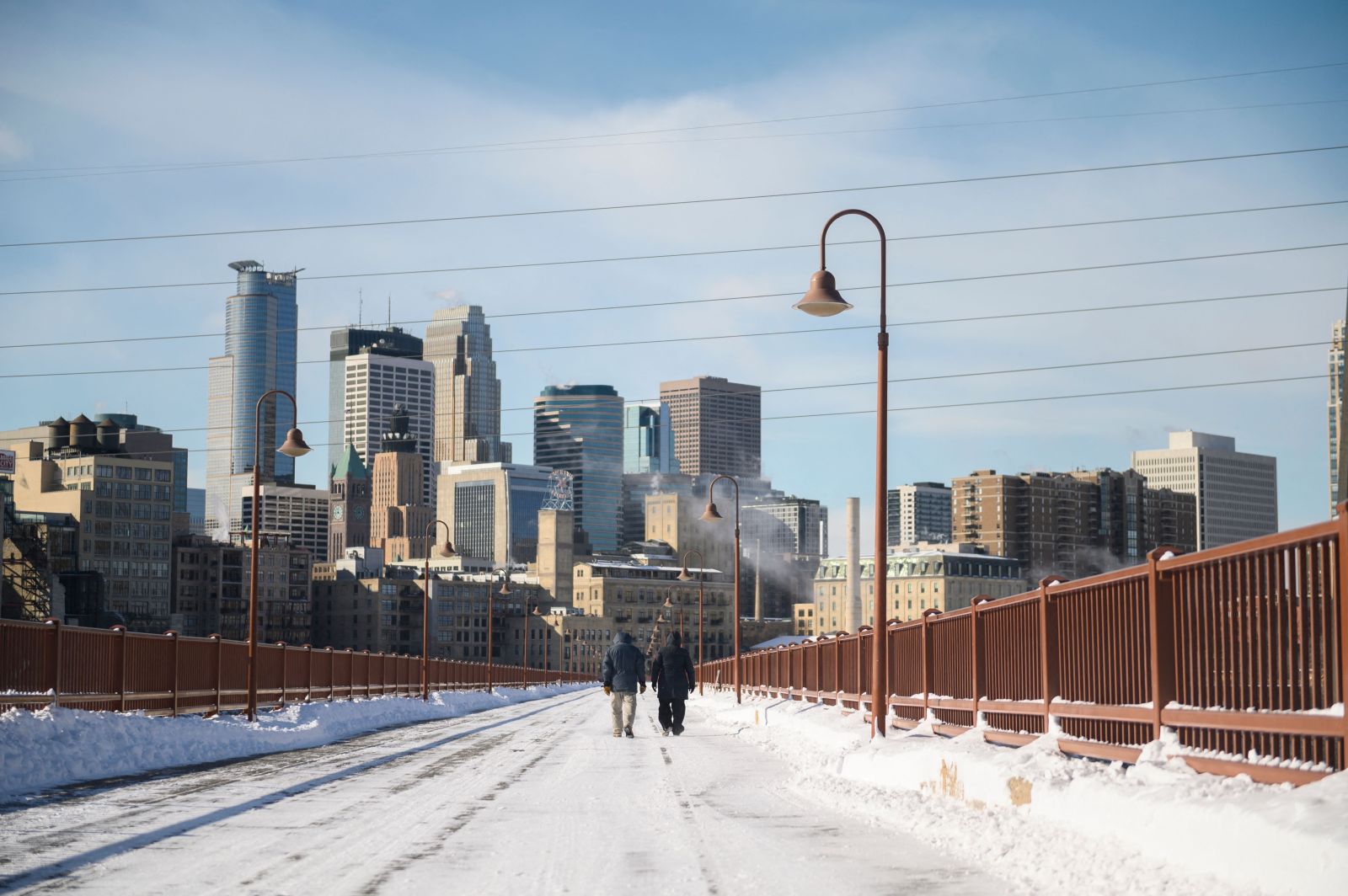
Current disruptions in the polar vortex are drawing attention, though extreme cold in the United States seems unlikely. According to AccuWeather, the vortex is behaving unusually for this period. Winds above the Arctic are set to drop to 9 mph on November 3, contrasting with the average of 58 mph and a previous record of 32 mph for this time.
Despite the magnitude of this disruption, forecasters do not anticipate a significant influx of Arctic air into the U.S. The polar vortex, which is a large area of low pressure and cold air around Earth’s poles, naturally weakens during summer and intensifies as winter approaches. It typically keeps colder air contained near the poles.
During winter in the Northern Hemisphere, the vortex may expand or become disrupted, permitting Arctic air to travel south via the jet stream. This can result in unusually cold conditions reaching the U.S.
‘More Like Fall Than The Arctic’
AccuWeather meteorologist Tyler Roys explained that while the polar vortex is weakening when it should be strengthening, a crucial element for a major Arctic blast in the U.S. is missing. The lack of sufficient cold air across Canada diminishes the likelihood of significant southward movement.
Roy noted that the coldest air currently centers over northern Russia, thus any southward shift might influence Asia and Europe more than the U.S. “This atmospheric event is extraordinary, but its impact on U.S. weather may be minimal,” Roys stated.
Temperatures in parts of the U.S. may trend cooler during the month’s first half due to local cold air, not the polar vortex. AccuWeather predicts sharper temperature declines in the Southwest region.
Lydia Burroughs, another AccuWeather meteorologist, mentioned that while disruptions in the polar jet are common during fall’s transition to winter, the present pattern resembles midwinter conditions. The main factor preventing a major Arctic outbreak is the lingering warmth in Canada, where persistent high pressure keeps temperatures 10-20°F above the seasonal average. This warm northern air is what moves to the central and eastern U.S. when the polar jet dips south.
Without cooler temperatures in these regions, the air will continue to feel more fall-like than Arctic. AccuWeather suggests conditions may cool later in November, potentially changing the jet stream pattern to allow for periodic southward movement of chillier air into December.