
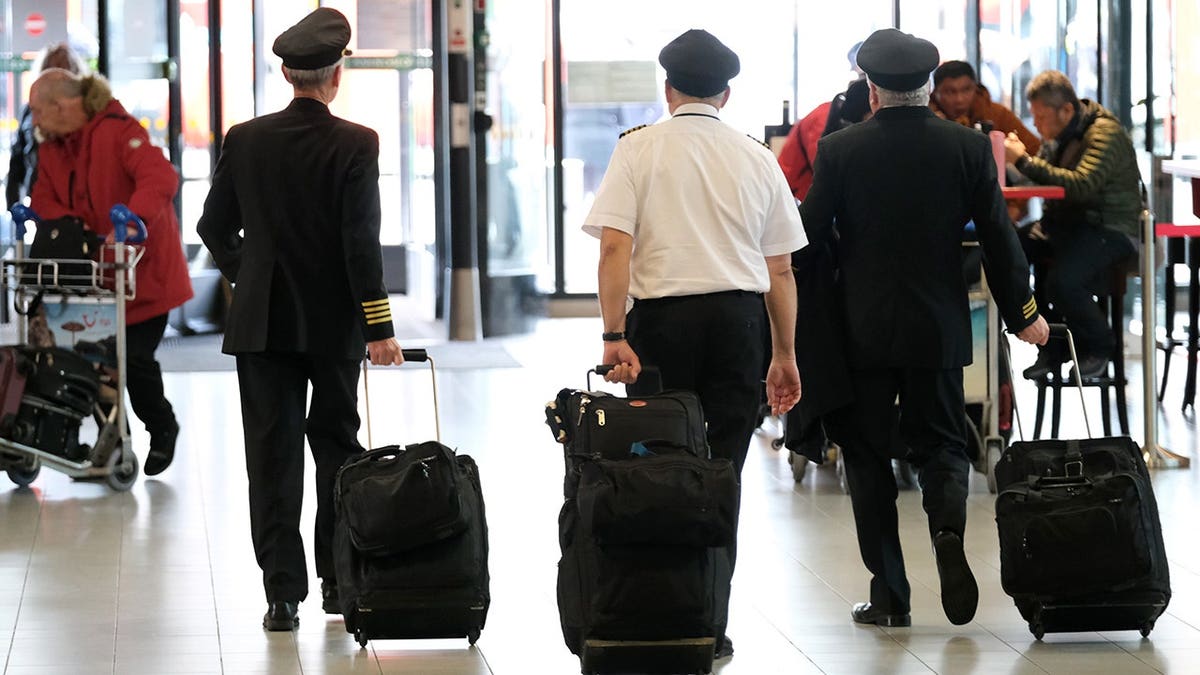
A significant issue is emerging regarding pilot fatigue in European aviation. A recent study by aviation consultancy Baines Simmons has found that more than 75% of pilots have experienced at least one ‘microsleep’ while flying. The report surveyed 7,200 pilots across 32 European countries and was published by the European Cockpit Association, which represents over 44,000 pilots in Europe.
HOW MUCH REST SHOULD FLIGHT ATTENDANTS GET? NEW PROPOSAL IGNITES FIGHT IN THE SKIES
is an important question, yet concerns extend beyond pilots. Nearly 39% of pilots reported not getting sufficient rest to manage fatigue effectively.
Additionally, there is hesitation among pilots to report fatigue. Only 37.2% typically report being too tired to fly, while 24.2% do not report it and continue to fly. Captain Coen George of the European Cockpit Association warns that fear of career consequences prevents pilots from reporting fatigue, thus increasing risk.
In the United States, the Federal Aviation Administration (FAA) has stricter rest requirements for pilots. Since 2012, pilots must have at least 10 consecutive rest hours before duty, including eight uninterrupted sleep hours. Nonetheless, pilot fatigue remains challenging, especially during overnight flights and crossing multiple time zones.
Matthew ‘Whiz’ Buckley, a former U.S. Navy fighter pilot and commercial pilot, points out that scheduled time off does not guarantee quality sleep. Early hotel check-ins and long-haul flights can disrupt sleep patterns. Pilots ultimately have to assess if they’re fit to fly.
Bobby Laurie, a travel expert and former flight attendant, highlights the industry’s need to address this alarming issue. With 77% of survey participants reporting microsleeping, the industry needs to take note.
For travelers, flight delays due to crew rest emphasize safety. Laurie reassures that such delays ensure that crew gets necessary rest, maintaining passenger safety during flights.
The FAA’s recent proposal suggests a nationwide rule to standardize rest-break requirements for flight attendants and pilots. Major flight attendant unions have opposed this, citing inadequate time for meals and breaks. This highlights ongoing challenges faced by airline industry personnel.