
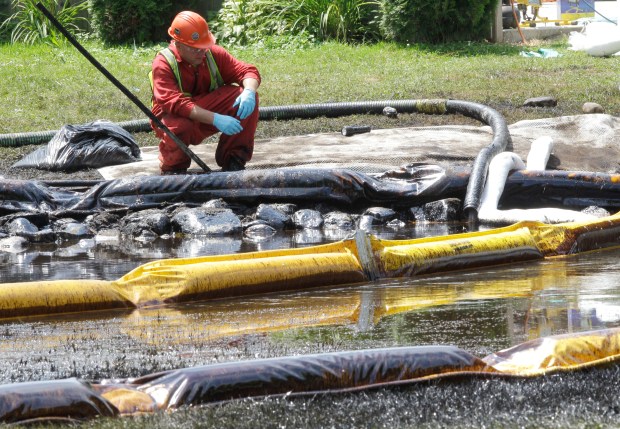
A recent pipeline incident in Wisconsin spilled over 1.3 million gallons of dangerous natural gas liquids, bringing national focus and increased scrutiny. Although this event gained attention, a study by Lake Superior State University reveals that thousands of smaller oil spills in the Great Lakes have largely been ignored. The study, published in the Journal of Great Lakes Research, identified more than 6,400 oil spills between 2015 and 2024.
Neglected Spills and Their Impact
Lead author and ecologist Cecilia Heuvel pointed out that most spills were under 1,000 gallons. Details on the quantity or type of oil released often remain unknown. While large ocean spills attract significant media coverage, smaller incidents in freshwater bodies, such as these, receive less attention and have undocumented environmental effects.
Lake Michigan recorded the highest number of spills, averaging about 150 per year. Researchers utilized publicly available data from sources like the U.S. Coast Guard’s National Response Center and the Ontario government. Heuvel highlighted the potential long-term impacts these small spills could have on ecosystems in the Great Lakes.
Pipeline Risks
A past pipeline rupture, known as Line 6B, released over 845,000 gallons of hydrocarbons into the Kalamazoo River, a Lake Michigan tributary. Cleanup expenses surpassed $767 million, with reported health symptoms among evacuation victims consistent with oil exposure.
In August, Enbridge reported another pipeline incident in Wisconsin involving Line 5, which crosses the Straits of Mackinac. It released approximately 31,000 barrels of propane and butane over four days. Liz Kirkwood from Flow Water Advocates emphasized the risks these pipelines pose to natural waterways. Enhanced proposals for Line 5, like a tunnel replacement, received backlash and required further environmental assessment.
Data Gaps and Research Needs
The Lake Superior State University study uncovered significant information gaps, with only a small portion of U.S. incidents recording spill volumes. Canadian records lacked volume data before 2023. In the U.S., shipping incidents were most common, while Canada reported more facility-related spills.
Researchers are keen to fill knowledge gaps about the ecological effects of spills in freshwater ecosystems, as existing research mostly pertains to marine ecosystems.
Pipeline Construction Trends and Concerns
A report by the Environmental Integrity Project highlights an extensive pipeline construction boom, attributed to weakened safety regulations from the Trump administration. This expansion targets the U.S. network of natural gas, oil, petrochemical, and carbon dioxide pipelines.
In January 2025, President Trump declared a national energy emergency, which some environmental advocates view as unfounded. Of 193 natural gas pipeline projects, many received expedited reviews due to the emergency designation, raising concerns over environmental risks.
Jen Duggan from the Environmental Integrity Project criticized the emergency act as unnecessary. She noted the U.S.’s reliable energy grid and increased oil and gas exports. Duggan argued there is no true energy emergency, and the risks of oil spills remain unjustified.
James Hiatt of For a Better Bayou highlighted reduced public comment periods for pipeline projects, often less than 30 days, limiting community involvement in the decision-making process.