
Millions of Americans relying on the Supplemental Nutrition Assistance Program (SNAP) will start receiving their October payments the following week. When exactly you will receive yours depends on several factors.
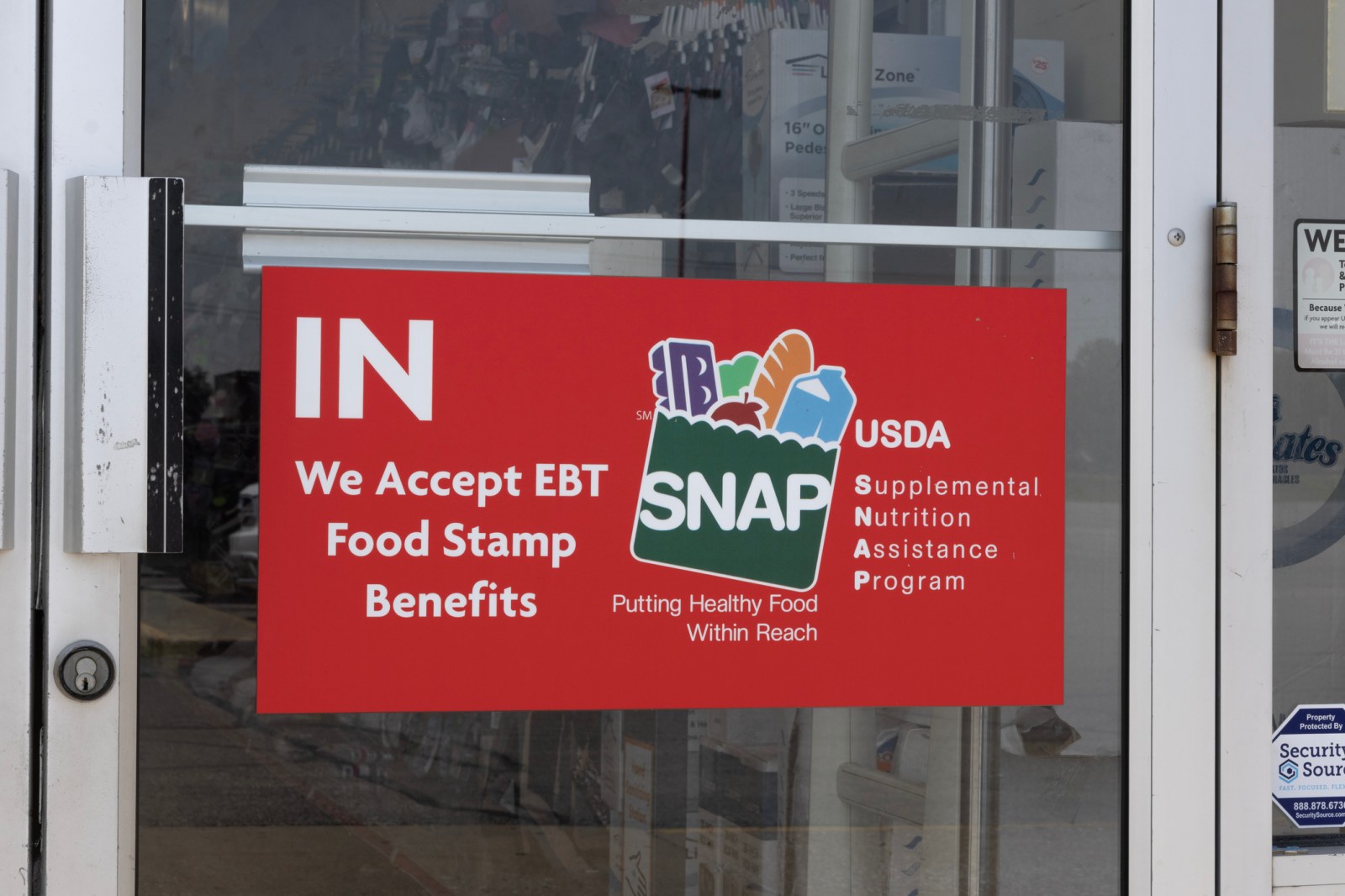
SNAP, commonly known as food stamps, delivers monthly food assistance to eligible low-income households, currently serving over 36 million people across the United States. These benefits are transferred electronically through an Electronic Benefit Transfer (EBT) account. Recipients use the EBT card like a debit card to purchase approved groceries from SNAP-authorized retailers.
How Are SNAP Benefits Delivered?
Although federally funded, the SNAP program is managed by individual states, which also set their own payment schedules. Benefits are credited to a recipient’s EBT account in a single monthly payment.
Some states, especially those with smaller populations, issue benefits to all households on the same day. For instance, states like Alaska, North Dakota, Rhode Island, and Vermont typically provide benefits on the first of the month. Meanwhile, South Dakota does so on the 10th.
Other states disperse payments based on factors such as a recipient’s case number, Social Security number, last name, or other identifying information. For example, California’s CalFresh payments are issued over the first 10 days of the month, determined by the final digit of the recipient’s case number.
SNAP Payment Dates October 2026
Payment schedules for some states, such as New York, involve staggered distributions, meaning the October dates could indicate the start or end of the issuing period rather than a unified statewide date.
SNAP Maximums Increase in October
October marks the beginning of the 2027 federal fiscal year, bringing new SNAP maximum allotments starting October 1. For the 48 contiguous states and Washington, D.C., the maximum monthly benefits will rise to $306 for a one-person household, $562 for two people, $808 for three, and $1,023 for four people. Alaska, Hawaii, Guam, and the U.S. Virgin Islands have separate benefit levels.
Not all recipients will experience an automatic increase, as benefits usually depend on your income. In June, the average benefit was $186.53 per person according to USDA data. Notably, Hawaii will witness a slight reduction in benefits due to a separate Thrifty Food Plan adjustment used there, instead of the standard approach for the contiguous states.
Recent SNAP Enrollment Trends
Recent USDA data reveals a more than 300,000 decline in SNAP enrollment between May and June 2026, substantiating a continuous decrease in participation. This shift follows the enactment of the One Big Beautiful Bill Act, introducing new eligibility conditions for claimants.
In June 2026, roughly 36.35 million individuals received benefits, dropping from 36.69 million the previous month, marking a decrease of approximately 332,000 people. While 34 states reported a decrease, 16 saw an increase in recipients.
According to USDA, any attribution of enrollment changes to a single policy, such as the OBBBA signed into law in July 2025, would be inaccurate. Though some effects predate this legislation, other eligibility and work-requirement updates from the law also contribute. Some of these alterations expanded the age range for adults facing time-limited work requirements and changed some exemptions. Various factors, including employment changes, voluntary exit from the program, or changes in household circumstances, affect participation.