
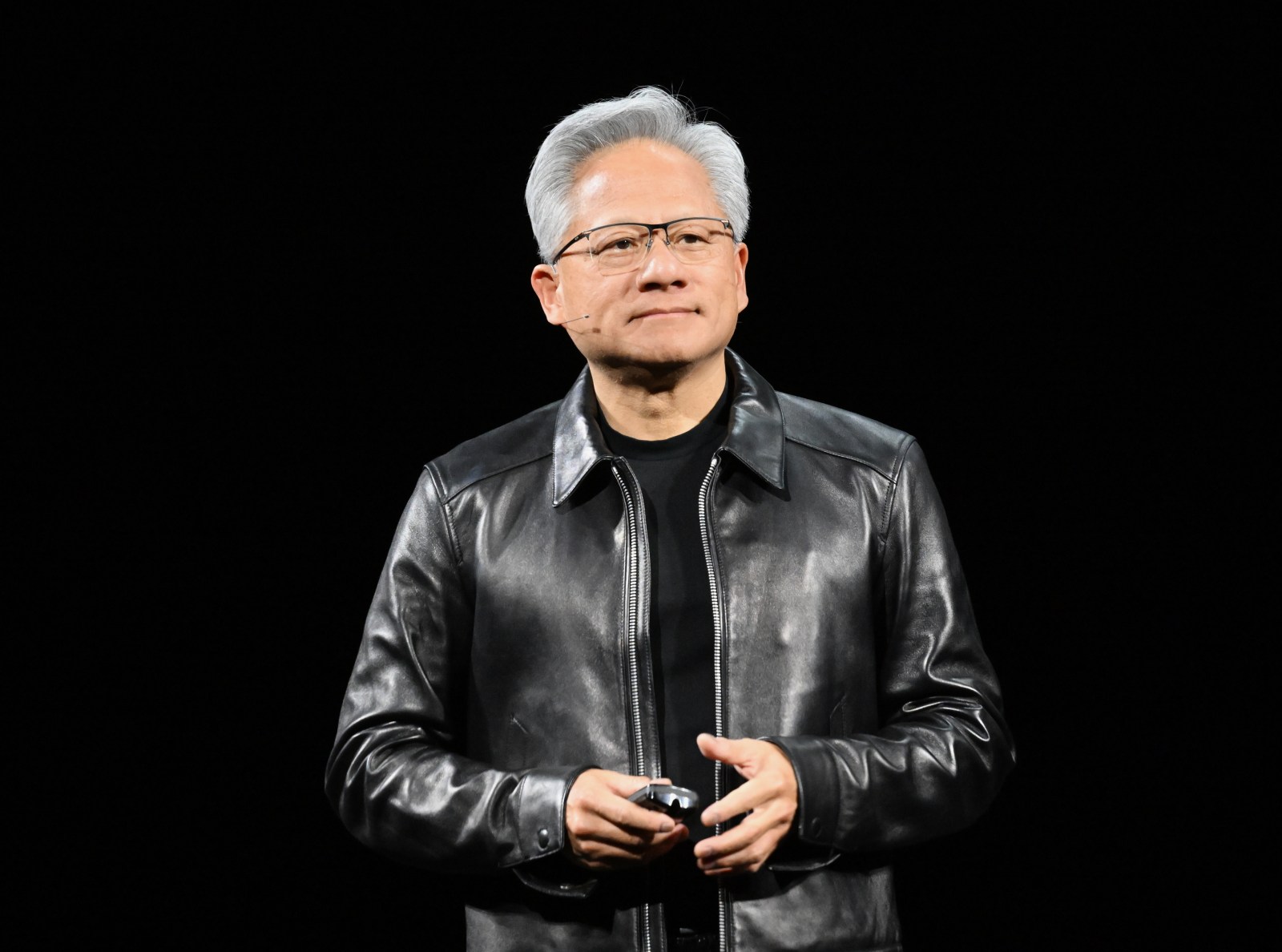
Nvidia is currently dealing with the investigation surrounding its CEO, Jensen Huang, who has been reportedly targeted by a foreign intelligence operation after acknowledging an affair. This situation raises significant concerns about the company’s future leadership.
Leadership Transition and Challenges
Discussion about potential leadership changes at Nvidia has become urgent. Jay Aldebert, of International Services Inc., advises against trying to find a replacement for Huang similar in style.
A leadership team approach is suggested, ensuring the company isn’t too reliant on a single individual.
This raises questions about the vulnerability and adaptability of Nvidia’s leadership structure.
Concerns Over Company Stability
Jensen Huang’s central role poses questions about the company’s resilience. Huang co-founded Nvidia in 1993, transforming it into a leader in gaming graphics and AI chip production. Despite any personal controversies, stability and continuity in leadership are crucial for maintaining investor and employee confidence.
Aldebert emphasizes the risk of losing momentum post-leadership transition, not due to product issues but because of potential doubts about the company’s direction.
Details of the Investigation
The investigation looks into Huang’s alleged targeting by foreign intelligence, prompting national security concerns due to Nvidia’s role in advanced chip production. Huang has admitted to the affair, expressing remorse and full cooperation with the investigation.
Accusations involve Alice Huang, a business executive from Megaspeed, a Chinese company. China denies involvement, labeling the claims as unfounded.
The controversy extends to an ongoing FBI probe and a shareholder lawsuit accusing Nvidia of misleading investors about the relationship and potential national threats.
Potential Interim Solutions
While the board supports Huang, Nvidia prepares for a succession plan if necessary. Colette Kress, Nvidia’s CFO, emerges as a logical interim leader. Her familiarity with investors and markets positions her as a stable choice.
Other candidates, like Ian Buck and Rene Haas, have been mentioned, though Huang’s immediate departure isn’t confirmed. The challenge lies in filling the gap left by a founder deeply embedded within the company’s culture.
Exploring External Options
If Nvidia chooses external candidates, the list of suitable replacements is limited. Names like Pat Gelsinger and Haas have surfaced, distinguished by their familiarity with the semiconductor industry.
AMD CEO Lisa Su and Broadcom CEO Hock Tan are also considered, underscoring the need for someone adept at managing a vast global business.
Long-term Strategy for Nvidia
The board could replace Huang if needed, yet finding someone embodying his multifaceted role is more complex.
Aldebert highlights continuity as essential if a sudden leadership shift occurs. Rather than replicating Huang’s role, Nvidia may benefit from a diversified leadership structure.
A strategic shift will assure stakeholders that Nvidia is a sustainable business entity, not reliant on one individual.